
As the Trump Show continues to endlessly unfold before our weary eyes (didn’t he say he’d disappear if he lost in ’20??), and I watch his followers in Congress, media, walking past me in restaurants, sputter and hiss and threaten in their various levels of outrage, I’m left pondering how so many became so convinced that this person is worthy of this degree of their histrionic fidelity.

But, really, how often do people think, really think, about their allegiances, their picks; the people, parties, and causes they get behind, identify with, march in the street and hoist placards for? I think it’s more likely that allegiance is unexamined, knee-jerk and irrational; once given, never taken away. In other words: Trumpism may be on auto-pilot.
But that’s how cultism works. I mean, you have to sign a billion-year contract in some.
I tend to think it’s wise to check in from time to time to make sure who and what I stand with still stands for ideas, concepts, and commitments I support and subscribe to. Because it occasionally happens that someone’s politics change, something new is discovered (uncovered) about them, or they jump on an unsupportable bandwagon. Examination of such shifts allows opportunity to adjust your membership accordingly.
Like, say, if a person saw that the guy they’ve sworn allegiance to was just adjudicated as a sexual abuser, or had to pay restitution to people he swindled, or got indicted for hush money paid to a porn actress, or got indicted again for 37 felony counts related to classified documents, that sort of thing. Might that signal it’s time to readjust one’s thinking?
It might, with normal people, in a normal time (whatever that is). But given the rhetoric and realities of those who loudly, aggressively, and often to their own detriment support, aggrandize, idealize, and defer to Donald Trump, it seems unlikely they ever step out of the bubble long enough to analyze, dissect, hold to the light, or check for flaws in their reasoning.
Frankly, I hope not. Because if they really did do that, and still felt as positive and passionate about the guy, it would mean our country, our American humanity, is in worse shape than I’ve given it credit for.
No, I’m writing off the insanity of Trumpism as “cult damage,” blind allegiance bereft of facts, truth, rational consideration, or critical thinking. The kind of full-body indoctrination that convinces seemingly “normal” people to reject former decent, sensible behaviors to, instead, disconnect from their families, poison themselves in Guyana jungles, murder innocent people, burn in a Waco settlement, storm the Capitol to kill the VP, mindlessly believe egregious lies, and deny any scintilla of truth if it reflects badly on their cult leader. If this is what Trumpism is, well, one can only pity the gullible… while actively protecting themselves from their wrath and stupidity, voting in every single bloody election to preserve actual democracy, and hoping one day the indoctrinated see the light of rational thought.
It happens. I extricated myself from a youthful bout of Scientology. Former Tea Party pols are now on Twitter pushing against authoritarianism generally and Trump specifically. My brother who once voted for the guy denounced him soundly last time and will again if Republicans continue to hold their bar criminally low (literally). Maybe some MAGA will wake up one day to shake off the fog of cultism to realize they hitched their wagon to the wrong orange pony. I can hope for that.
But until then (it does seem a bit idealistic), it’s essential for good people of conscience to pay close attention to what’s being foisted in the name of Dear Leader Trump:
We’re being systemically, relentlessly, unconscionably gaslit. By Republicans in Congress, right wing media personalities, and Trump analysts/lackeys/lawyers who insist that what’s criminal is no big deal, what’s dishonest is acceptable, what’s corrupt is okay, what’s indecent is dismissible, what’s traitorous is just sloppy, and what’s vile, amoral, and incendiary is just a guy blowing off steam.
None of that is true. All of it’s a lie. And a lie has no legs. Not with good people of conscience.
Donald J. Trump is, and is doing, exactly what those good people perceive. He’s lying, cheating; traitoring. He’s spewing hate, threats, and inane conspiracies far and wide. He’s blaming others for his own crimes. He’s attempting to deflect by screaming “squirrel,” hoping suspicion of others will distract from him. He’s driven by narcissism and arrogance to believe he won what he lost, deserves what he’s unqualified for; is immune to laws, excused from manners, and forgiven for indecency.
He’s not.
I grew up in a world where we were taught to admire, emulate, and support good people, men and women with integrity, smarts, honor, veracity, and compassion. Honesty was non-negotiable. Ethics were expected. Consideration and respect were the norm. I live by those standards and principles, taught my son those standards and principles, and fill my life only with people who share those standards and principles.
They are not, however, the standards and principles of those trying to gaslight this country and its people. That crowd really, really, really wants you to suck it all in, every noxious plume. They’re trying very hard to insist on it, push it, normalize it. Congresspeople tweet it, talking heads talk it; right-wing has-beens blubber about it; young Trumpist lawyers desperate to feel relevant sell their souls hawking it. And Trump, of course, is UPPER-CASING it all to death.
The only response I have: SHUT UP. SIT DOWN. ARE YOU KIDDING ME? FUCK OFF.
Sorry. I get rude with this stuff.
Like every good, decent person who’s ever held strong and pushed back against lies, propaganda, demagoguery, and disinformation throughout time, do that: hold strong, push back. Don’t get bamboozled into buying any of the noise. Whatever anyone else may be doing, whoever else may committing crimes, lying to Congress, taking bribes, stealing national security, having affairs with porn stars, or enriching themselves while in office, don’t be distracted from the truth of the current situation.
Trump is exactly who and what you think he is. And, while the “big house” may be an appropriate next stop for the guy, he can never, ever again get anywhere near our White House.
That, too, is non-negotiable.
Photo by Pawel Czerwinski on Unsplash

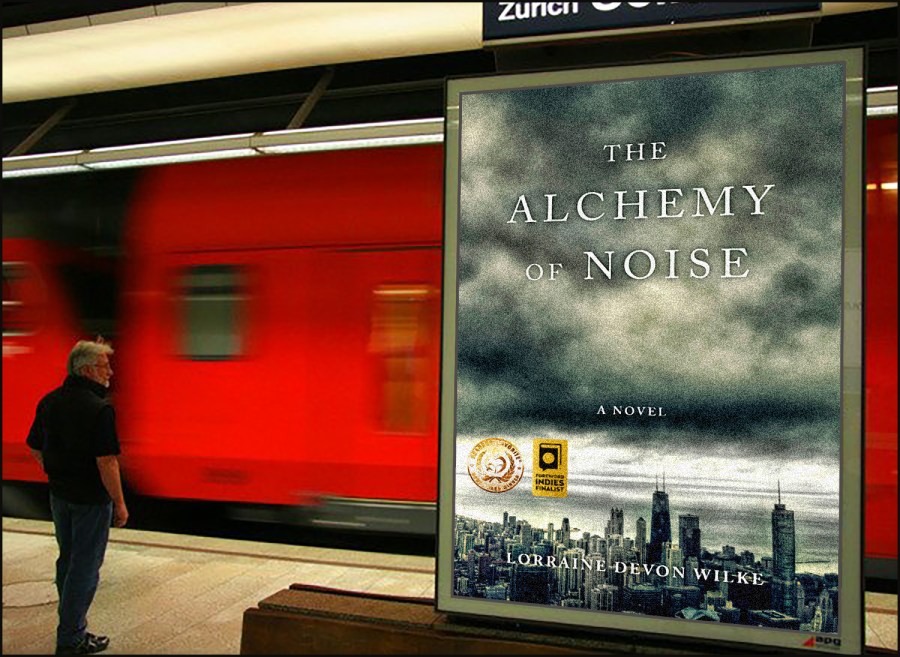
Visit www.lorrainedevonwilke.com for details and links to LDW’s books, music, photography, and articles.



























You must be logged in to post a comment.