‘It’s Complicated’: Our Evolving, Exasperating Relationship with Book Reviews

Ah, reviews. The Holy Grail of every merchant, company, production, businessperson, artist, entrepreneur, and, yes, author.

Photo by Deniz Demirci on Unsplash

We need them, we want them; we pursue them, convinced they’re not only heartening to the soul but essential to the business, yet they’ve become harder to get and sometimes as vexing when received, a reality affirmed and experienced by many an author.

In the olden days, when print media was king and three networks were the sole providers of news and opinion, people were informed of everything from the latest crimes to the most recent blockbusters by those very limited media sources. There was no cable news, no social media, no internet influencers; no podcasters, bloggers, or Substackers; no Yelp, Google, or Amazon. Viewers, readers; customers were relegated to simply being the audience, the receivers of information and commerce. They were not only not burdened by the expectation to review everything from their cat sitter to their doctor to their neighborhood coffee shop, but there were no places to fulfill such obligations anyway.

Sounds kind of blissful, doesn’t it? Especially considering where we are now.

Where we are now is my insurance agent requested a review for simply providing an ID card with both my and my husband’s names (which she should have done in the first place … I didn’t write one). The guy who tinted my car windows presented his bill with a card designating their preferred review site. My dentist has a sign in the lobby with review links but still texted and emailed me on the matter. And, of course, every restaurant makes clear how much they’d appreciate something on Yelp or Google or wherever … and the list goes on and on and on. Everyone expects everyone to review everything, resulting in a growing resistance to leaving reviews for anything … including your and my books.

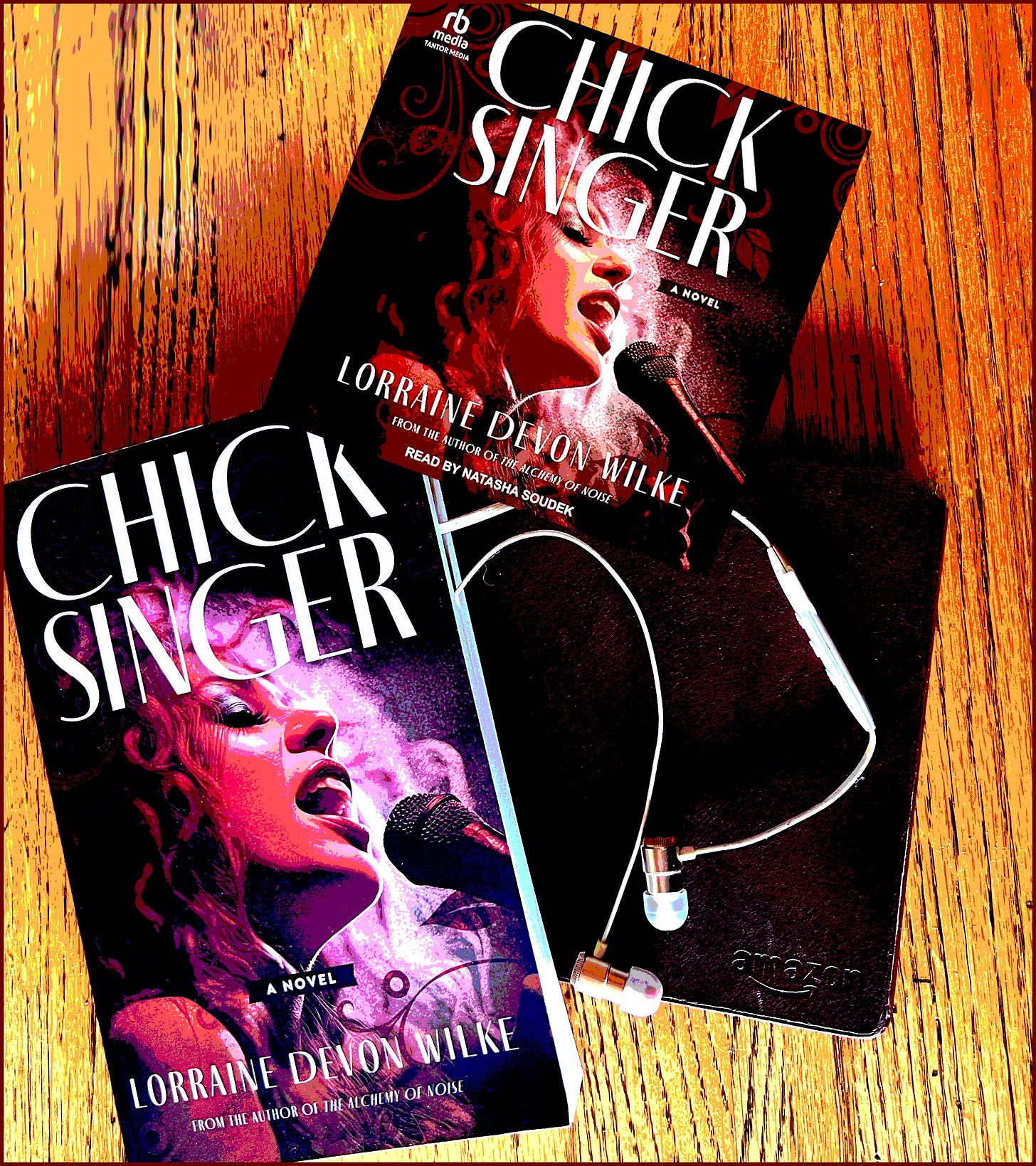
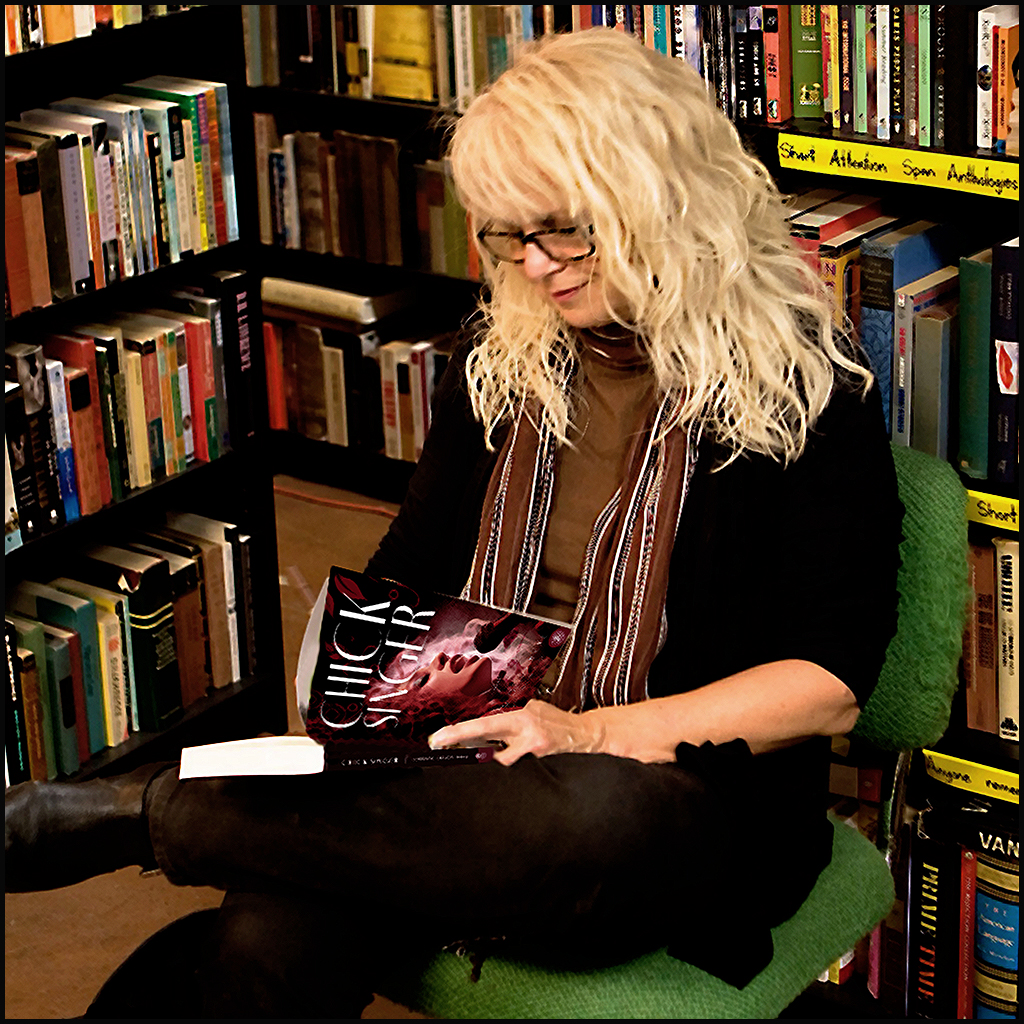
When my most recent novel was published (CHICK SINGER, Sibylline Press 2025), I didn’t expect an onslaught of reviews (I’m an indie writer, it’s a small press; I’m realistic) but I did expect at least as many as I’d received for my first novel, self-published in 2014. Hasn’t happened. Despite overwhelmingly positive responses, despite my requests to family, friends, fellow writers, subscribers, even those who designate themselves as “fans,” relatively few went to Amazon (or Goodreads or BookBub or B&N) and left a review. Despite my assurances that, “a couple of lines is enough, just what you sent in this email is great. You don’t have to gush; 5 stars is not required; even a short review will help me a lot,” follow-through was feeble. Even with other authors whose books I’d reviewed. Even with people to whom I’d gifted books with their agreement to leave a review. Even with readers who expressed enthusiasm about this book they’d just read. The only thing I didn’t do was beg … though the thought briefly crossed my mind.

Certainly, some indie authors get more reviews than others, and, of course, the Jodi Picoult/Jojo Moyes crowd gets thousands, but I’m hearing from other indie and self-published authors that they, too, have found scaring up reviews to be exponentially more difficult than it was in earlier years.

Why, exactly?

I put this question to Google: “Are people not reviewing books as much as they used to?” and was assailed by articles affirming that, “Yes, people are not reviewing books as frequently as they used to,” ascribing the downturn largely to reviewer fatigue (see above).There’s also the matter of Amazon getting twitchy when they suspect fake reviews and reviewers, or disproportionate family/friend onslaughts of 5-stars. And lastly, there’s the unavoidable fact that many, many people simply do not like writing reviews.

Main reasons stated?

They don’t think they’re good at writing them.
They “just don’t know what to say.”
They feel too much pressure to applaud books they didn’t love for the sake of not offending friends or colleagues.
Understandable. Writing a good review does take some thought, some analysis of what’s essential to include (honest feedback, emotional impact) and what’s not (no one needs a synopsis; they’re already provided on the sales site). It takes choosing a “star rating,” (and, sometimes, when you’re reviewing people you know, that can get tricky). It requires you go back to the site where you purchased the book, or the Amazon page the author requested, input your review in the right spot, and, if you’re really a mensch, into other sites as well (Goodreads, BookBub, etc.).

All of that takes times, takes thought; takes sitting down and doing it. Which means readers either have to be inspired enough by what they’ve read to do that work, or supportive enough of the author to just buck up and git ‘er done. Sometimes both apply, and readers still struggle on follow through. I’ve had some people—RL friends, online friends, and colleagues—confess that, “I keep meaning to do it, then I forget.” Which is frustrating, but it’s likely these good people don’t fully understand it’s not about needing our writer’s egos fed (though it’s always nice to get good feedback); it about how essential (or at least helpful) reviews can be in terms of book marketing. Too few reviews can make a book seem flatlined (even when it’s not), while more reviews trigger extra marketing on book sites like Amazon (which, say what you will, is statistically where most people purchase their books).

But let’s go back for a minute to the issue of “stars.” This has become a sticky subject amongst some writers and various writers’ groups. I had one author colleague declare that she gives 5 stars to everyone in her particular group regardless of how she actually feels about the book. There are others who say they won’t even review a book if they can’t honestly give it 5 stars. And some authors take true offense if you leave 4 stars, even if you also leave a positive response in the body of the review. Clearly the topic needs some rethinking.

Here’s the basic breakdown of the star system:

  • 5 Stars (Excellent/Loved it): Highest rating. The book was exceptional, and the reviewer highly recommends it.
  • 4 Stars (Very Good): A positive experience that exceeded expectations or was generally enjoyed, perhaps with minor flaws.
  • 3 Stars (Average/Okay): Satisfactory but not outstanding; the book was average or just met basic expectations.
  • 2 Stars (Below Average): Negative or mediocre. There were noticeable issues or poor quality.
  • 1 Star (Poor/Terrible): A very poor experience, often indicating significant problems, dissatisfaction, or a waste of time.

Now, let’s be honest: not all books are going to inspire or warrant 5-star ratings, whether written by a friend, a colleague, or even a famous person. And it’s OK to not succumb to the pressure to affix 5 stars to every book you review. You can love a book but still feel it doesn’t quite hit that top rating for you. And, come on! A 4-star says, “a positive experience that exceeded expectations” … what’s to complain about that?

In fact, having your book page packed with only 5-stars can be problematic from various points of view. As mentioned, in the early self-publishing days, people would rally friends and family to literally bombard their Amazon book pages with 5-star reviews, sometimes without even having purchased or read said book, and Amazon got wise to the ruse. Many reviews were deleted, certain perpetrators were banished (I actually know a few of those), and savvy readers resented seeing copious 5-stars on books that turned out to be sub-par. All of that ultimately created backlash for authors who had only 5-star reviews, the presumption being that most were padding from friends and family (even if they weren’t!). Articles written by wise people in the business suggested a better balance of stars was viewed as more authentic, more believable, and more credible.

I took that to heart. Though a sincere 5-star is always delightful, I’m a tad relieved when a reader or two weighs in with a 4-star for exactly those reasons!

But the issue is—I’ll say it again—tricky. I was surprised when an author I don’t know but who’s in a shared group got upset with my 4-star review that was actually very positive and complimentary. She asserted in a thread that she felt everyone in the group should give everyone else in the group 5-star reviews as a matter of principle, as a matter of showing support. I responded with some version of the two previous paragraphs, but I suspect she was unassuaged.

Wherever you fall on the matter, I believe we’ve got to approach the topic of reviews with both grace and acceptance. Our mission as authors is to write with our whole hearts and souls to create wonderful works of literary expression. Once we’ve done that, readers’ response is out of our hands, and theirs to offer. Just as with gift-giving, we do our best to deliver the best possible gift, but it behooves us to not get too bothered if our friend is less enthused about the orange sweater we thought would look amazing on them.

Though I’d certainly appreciate more reviews for any of my books for the sake of their marketing value, I always hope the ones I do get are honest, authentic, and sincere, regardless of the number of stars affixed. It means that someone read that book, which is grand; it also means someone cared enough to write about it, even grander; it means—well, it means a lot to me all around … especially given the current climate of “reviewer fatigue.” To all those reviewers I offer a hearty, “thank you.”


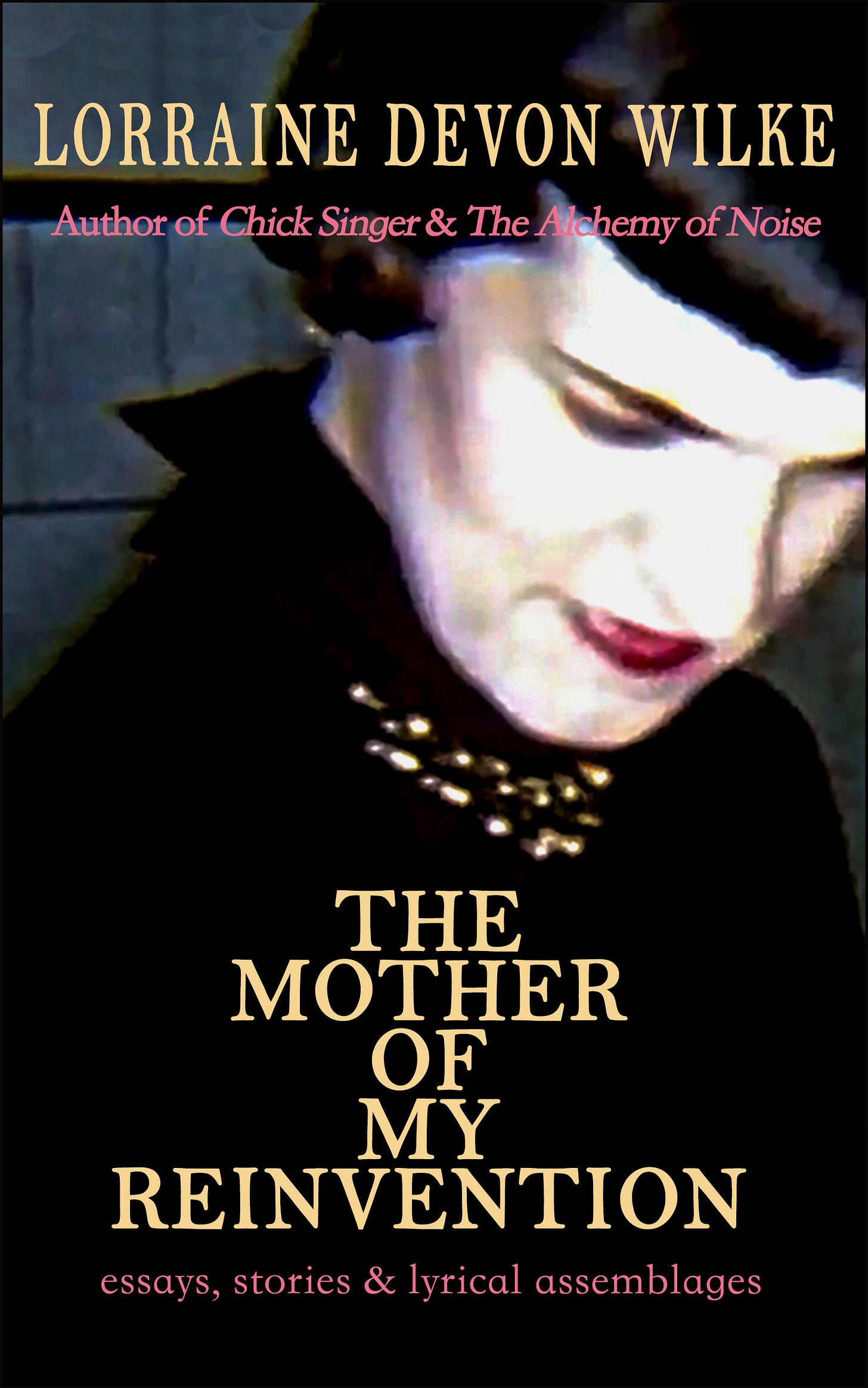
NEW BOOK ALERT: The Mother of My Reinvention—essays, stories & lyrical assemblages.

There’s something joyful about putting out a new book … no matter what it is, who is (or isn’t) publishing it (in this case… me!), or what expectations you might have (or not have) for its life beyond your imagination. It’s joyful because it’s about creativity; about getting it down, getting it done, then getting it out into the world with a hearty “bon voyage, book!”


This one started some time after my last novel, CHICK SINGER, was published in April of 2025. With another novel set for Sibylline Press publication in 2027, and a just-completed short story I happened to love, I decided it would be a refreshing pivot to pull some of my favorite shorter works together in a collection; hence, this book.

Included are essays and short stories (some award-winning, some older, some new), favorite commentary pieces and personal family memoirs, as well as select song lyrics with background anecdotes and accessible links to their recorded tracks… which I thought you’d enjoy! 😊

Here’s the back book jacket description:

Roland Caine, a man lost in retirement, finds his life forever changed by a visiting peahen. Prudie Kayfall, a clumsy, recent widow, struggles to define her purpose against creeping invisibility. Feisty grade-schoolers led by Racie Walker heist a dreaded teacher’s weapon of destruction. The gut-punch of a shattering hit & run ripples over countless lives. Essays shine light on caring for an aging mother, navigating family politics with a loving grandmother’s hand, the value of creating legacy, and our cultural obsession with youth at all costs…

Each piece is imbued with my somewhat irreverent view of the world, and I hope each will move, provoke, intrigue, and entertain readers and listeners alike.

 
I thank you in advance for the purchase, the read, the enjoyment, the reviews, the help in getting the word out. I’m always grateful for that essential collaboration between author and audience, so know you’ll have my appreciation.

Mostly … ENJOY!

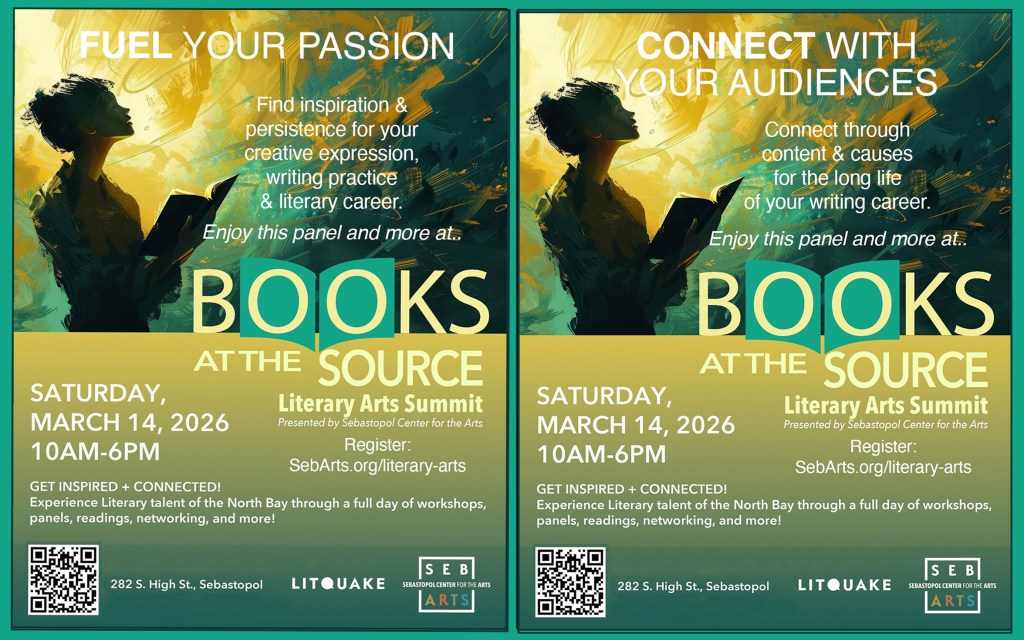
Come Join Me @ Books at the Source: North Bay Literary Arts Summit

I’m excited to be participating as an author and speaker at this fabulous event, along with several of my author cohorts. Registration starts today, and one ticket includes 7 hours of comprehensive workshops and presentations with highly qualified professionals (like me and my cohorts!) and includes breakfast and lunch. They’re encouraging students to attend by offering discounts for those with active student ID’s. (check the FAQ page). This ticket also helps to support their non-profit community art center and its continued literary arts programming, so a good cause is also in the mix.

Please check out the information below and make a plan to be there!

FOR IMMEDIATE RELEASE: 01/16/26

Books at the Source: North Bay Literary Arts Summit Sebastopol Center for the Arts

Saturday, March 14, 2026; 10AM – 6PM | Registrations are Open!

282 S. High Street, Sebastopol, CA, 95472 https://www.sebarts.org/literary-arts

Contact: Luna Sorrenti, Program Director at LunaS@sebarts.org or 707-829-4797 x1004

Sebastopol Center for the Arts is excited to share our newest offering to the Literary Arts community. On Saturday, March 14th, 10AM – 6PM, Books at the Source: Literary Arts Summit will feature panel presentations and workshops by authors and teachers of fiction, memoir, nonfiction & poetry at our 17,000 sq ft facility in the heart of downtown Sebastopol. A co-presentation with LitQuake San Francisco, this is a special opportunity to connect with Bay Area talent and go to the source with authors who share their inspiration and purpose.

_________________________________________________________

The Summit will start with check-in from 9AM – 10AM and special access to a private viewing of our Paper & Book Arts Exhibition, combining works of book makers, pulp wranglers, paper-makers and print-makers. Paper is one of the oldest forms of artistic medium- from parchment to books to vellum to wood products. Humans print on every surface and make inks from everything on earth. Come early to view these marvelous works of art! Afterwards, grab coffee, tea, and breakfast foods provided by SebArts in the Main Auditorium to fuel up for the following activities!

At 10AM, we kick off the summit addressing questions of purpose and endeavor: “What fuels your passion? How do you persist in your creative intentions when faced with difficulties?” Five writers, all with multi-faceted careers, reveal the powerful summons for their books featuring characters in the creative arts who speak across generations, cultures, and politics. The authors explore how the primary relationship of an artist—dancer, painter, poet, singer—to an art form propels choices in life, as well as in fiction. They discuss how artistic impulse, desire, barriers, and destiny empower expression and resilience. Sharing how the crafting of their characters’ stories informed their own intentions, they address ways to fulfill writing projects, develop skills, and sustain rewarding practices and pursuits in the arts, while always in the process of becoming. [NOTE: I’m one of the participating authors in this opening panel… it will be a good one!]

For the next two hours, 11AM – 1PM, attendees can choose from several breakout rooms to explore panel presentations and workshops of their own particular interest. For example, “Word Palettes:Painting Poetry & Prose with Visual Language” where you will explore how writing needs a tone, a voice, a rhythm that feels consistent. Registrants will learn exercises with word play to develop prose and poetry we can see. We will parallel composition, shape, and color palettes in fine art to the same elements in writing with words. Another option is “Writing Forward from the Past- Inspired by Family Artifacts, Others’ Words, Truths of Character,” a panel presentation that asks: how does the trace of a life manifest into a literary work that illuminates the past and brings it forward with meaning and relevance? The authors will discuss joys and challenges of working with archival material, fictionalizing or representing real lives, and seeking truths—of character and through character. These are just a few of the options to choose from during this time frame, there’s more!

Check out the full schedule here.

From 1PM – 2PM, SebArts will provide lunch and time for attendees to meet the featured authors, purchase their books and get them signed. This hour will also be an ample opportunity to network with local literary lovers from various walks of life.

After lunch, we will continue from 2PM – 5PM with more breakout sessions, including an option such as “Community Matters in Writing Craft & Career” (at 3PM) wheresix authors share their experiences with participating in and building communities. They will discuss personal trials and triumphs in writing and publishing, and also speak broadly to what a lifestyle can be when writers combine their goodwill.

[NOTE: I’m one of the participating authors during this time slot in a in a breakout session titled, “Connecting through Content & Causes: The Long Life of Your Writing Career.” It will run from 3PM to 3:50 and I hope you’ll come join us in that one!]

Or you can explore “Writing on Purpose- Poetry & Prose for Social Justice” an interactive workshop, practicing techniques of poetic storytelling that foster an “inside-out” understanding of the issues, perspectives, and desires of writers affected by incarceration as participants work toward their own personal restoration and social justice. A discussion on the importance of personal stories in social justice and fostering social change will be included, during which participants will be invited to write about and share their experiences through poetry and prose.

In the last hour, 5PM – 6PM, we close the event with an Open Mic- Speaking Out: Homegrown Poetry & Prose. This is an opportunity for attendees to share their writing themed by sense of place, nature, and community, whether in a small town, big city, or rural California. Let’s celebrate how we live and work in our diverse state, among people of varied backgrounds and interests, and with a dedication to the arts, culture, and the environment.

Registration is open now! Learn more & purchase your ticket at

https://sebartsbooksatthesource2026.sched.com/

Be sure to utilize this 10% coupon …   put in promo code: SEBMEMB10 at checkout here: https://sebartsbooksatthesource2026.sched.com/list/simple

We are also offering several full and partial scholarships, application form here: https://forms.gle/kSRUFFJDLFXQnFeV8

Note that the value of one ticket includes 7 hours of comprehensive workshops and presentations with highly qualified professionals, (that’s you!) including breakfast, lunch, and early access to our biennial Book and Paper Arts exhibition.
This ticket price also helps to support our non-profit community art center and its continued literary arts programming. Please help us in spreading the word!


That’s the official information … please avail yourself of the provided links and jump in! If you have any questions, reach out to Program Director, Luna Sorrenti, whose contact information is at the top.

I’m delighted to be participating as an author in this really thoughtful and comprehensive dive into books, the “writers’ life,” and the many and various aspects of literary creativity.

For those interested, we will have our books there to be sold, and it would be wonderful to meet many of the people who I’ve been in touch via social media, this blog, or my Substack in real life and in person!

Please feel free to share this information with others in your circles who might be interested … we’d love to get a big crowd there in support the the organization. Look forward to seeing you there!

When My Dry January Went Wide

And I fully embraced my mother’s mantra…

Photo by Michael Discenza on Unsplash

I quit drinking. I wasn’t an alcoholic, it wasn’t January, and it was a really long time ago, but the ubiquitous “Dry January” memes of late brought it to mind so I decided to throw-in on a trending topic.

Back in my younger days, the “post-college rock & roll have to live out the cliché of hard-drinkin’ rocker chick on the road” days, I fashioned myself as a hardrivin’ drinker. But even then I was a pussy about it: Jack & Diet Coke, Black or White Russians, Bailey’s & coffee, those were my drugs of choice … hardcore, right?

Even more hardcore is the fact that past one drink—literally, just one of those sweet spirits—I was a mess. Nausea, head spinning, heart pounding; couldn’t sleep, queasiness, and then a migraine for days… yay, so much FUN, so yes, let’s do carry on … self-immolation as a drinking game.

By my thirties, and after countless epic hangovers—though luckily I never hurt myself or others, even if there were mornings I wondered who I might need to apologize to—it became patently clear I was someone who should not drink. I couldn’t hold it and it always, always, made me sick. Likely I had an allergy to it, as there was no amount that didn’t get my heart pounding and head aching. Even a spoonful of Grand Marnier Mousse with a touch too much liqueur triggered the dreaded effect. So, one queasy morning, after taking far too long to come to this clearly obvious decision, I decided to stop drinking. Period. Anything. At all. Ever. At any time. Done.

And that was it. I wasn’t a drinker.

It’s now been decades and I have to say, I don’t miss it. I don’t even think about it. Sure, a spicy Bloody Mary, a frosty margarita, or my old standby, a Black Russian, might tickle memory receptors from time to time, but all I have to do is think about the inevitable aftermath and it’s, “I’m good, thanks!” At this point, I don’t even have to go there. It’s just past tense.

Now it appears I’m in vogue, as “Dry January” discussions are everywhere. Given that, I was curious about its origins, of which I knew nothing, so I did a little research. Some background, via NPR:

People use the term ‘Dry January’ to refer to their effort to cut alcohol out for the entire month.

But the “official” challenge began across the pond in the U.K., according to Richard Piper, CEO of Alcohol Change UK, the organization that started the official version.

Alcohol Change UK’s mission is to reduce the harm caused by alcohol.

“We never tell people how much or how little to drink. We want to empower people to make that choice themselves,” Piper says. “We do that by our behavior change programs like the dry January program.” 

In 2013 Alcohol Change UK made its Dry January challenge official and trademarked the name. This official challenge includes an app, daily email and online peer support groups – all with the goal of supporting participants in this challenge, Piper said.

It’s now in its 13th year and has grown with more than 1 million downloads on their app, according to Piper.

I find that encouraging.

Beyond the more general bullet points they and others point out, the particular risks for women with alcohol have also been widely covered in recent years. There’s even a genre in literature that’s focused on the topic:

‘Drinking until I passed out’: Quit Lit targets women’s sobriety “A new genre of storytelling focuses on alcohol dependence and is helping some women curtail drinking or quit altogether.” The Washington Post

A site/app called Sober.com features a convenient reading list: Quit Lit Review: 11 Books to Help You Get and Stay Sober.

And of course, the medical community has weighed in, assert their unequivocal (and somewhat controversial) stand. This from the World Health Organization:

No level of alcohol consumption is safe for our healthThe risks and harms associated with drinking alcohol have been systematically evaluated over the years and are well documented. The World Health Organization has now published a statement in The Lancet Public Health: when it comes to alcohol consumption, there is no safe amount that does not affect health.

That first sentence hits hard, doesn’t it? To read the whole piece click here. It’s sobering… (pun intended).

Given that, it seems my epiphany of yore was prescient. I don’t say that with arrogance but rather gratitude. I was fortunate to come to my decision before I hurt myself or someone else. Before I bungled jobs, ruined relationships, adversely impacted my family, or irrevocably damaged my health. I feel like my spirit guides (play on words?), who clearly worked overtime to circumvent those effects, finally opened my eyes to the folly of imbibing in something that was “a fun buzz” for a minute or two but ultimately kicked my ass for far longer.

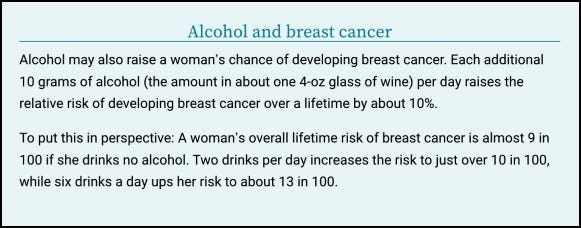
And why the WHO declaration resonates with me specifically is that I’ve had my own health scare, not related to alcohol, per se, but still … being informed that your biopsy came back positive and you’re now obligated to endure well-known rituals attendant to that diagnosis is a wake-up call like no other. Once you’re done with all that (and it’s a lot), you can never again take your health for granted. I pay more attention to what’s required to protect the “clean bill” I’ve returned to, to hedge my bets towards living the long life I intend as a strong, robust, hardy gal singing rock and roll into my nineties. And, as has been made clear by my oncologist and other scientists I’ve read and listened to, women are at greater risk of alcohol harm than men… that can’t help but have impact.

“The evidence is clear: women who drink are at greater risk than men for a range of alcohol-related health problems, including liver disease, heart damage, cancer, and mental health issues. These risks are amplified by biological differences, social behaviors, and evolving drinking patterns. For women, even moderate alcohol consumption can have serious long-term consequences, making awareness and prevention vital.”

Harvard Health

Since I’ve been-there-done-that and don’t wish to ever do-that again, that information only solidifies the decision I made years ago.

It has, however, been an interesting journey, being someone who doesn’t drink. In a culture, a country, a time when drinking is so prevalent, so accepted, so everyday it appears in most TV shows and films, is de rigueur at dinner parties and gatherings, and largely expected at any celebration or ceremony, I am an anomaly. I’ve learned it can actually trigger anxiety when you say, “No, thanks,” to a drink. I’ve elicited wide eyes of wonder when refusing a champagne pour. I’ve had hosts insist, “Just a little red for the main course.” I’ve garnered supposedly knowing (and inaccurate) whispers of, “Oh, you’re in the program,” from people who either were in the program or forgot it’s supposed to be anonymous. Some have outright blurted, “Not even a splash?” followed by, “How do you have any fun?” Which makes me smile.

Because they didn’t know my mother.

Both my parents were surrounded by drinkers growing up. An older brother, in my father’s case. My mother was basically raised by a loving family of heavy drinkers. In both cases they lost many of those folks to alcohol-related illnesses, likely the reason neither were drinkers themselves. My father would occasionally enjoy a beer or glass of red wine, and my mom was known to sip the infrequent Sloe Gin Fizz, but alcohol was never a component of our family activities. My mother even made it a mantra: “You don’t have to drink to have fun!” she’d exclaim, and though it took me a few years of really bad hangovers to meet her on that field, I now wear that mantra like a cloak.

Maybe it’s my particular personality—or the fact that my parents made having fun our birthright—that her mantra works for me when it might not for others, but whatever the reason, I’m grateful for that too. I don’t want to need alcohol to “loosen up.” Don’t want to require a buzz to enjoy my circumstances. I hate the thought of not remembering what we talked about last night or wishing I’d done this and not that. I want to be clear-headed at all times, bracingly aware of my surroundings and the people I’m with. Sharp and cognizant of what’s being said, the nuances of the moments I’m in, the beauty of my surroundings. I couldn’t, and didn’t, do that when I was drinking. I don’t think anyone can.

But I get it, the social proclivity. We’ve been groomed, acclimated, almost trained to see drinking as so commonplace and customary that the act of not drinking is almost seen as more subversive than drinking. And yet, as politicians (many of whom surely drink without hesitation) debate the health issues of pot and CBD, and are horrified by opioids and the ravages of other drugs, the pervasive and deleterious effects of our most beloved and common drug—alcohol—garners little attention. Something to think about …

But that’s it, I’m done. I’ve probably annoyed some of you to no end, but I hope those on the cusp of considering these points consider them further. I’ve had too many people in my life suffer greatly because of alcohol, and probably some in my current life whose health and welfare are being negatively impacted even if they don’t know it—or won’t face it—yet. I’d like to see a shift in public perception, much as what happened with smoking. How what was once considered “cool,” accepted, and socially ubiquitous was discovered to be profoundly unhealthy and ultimately became undesirable (though I am noticing it creeping more and more into our TV and film entertainment again, which is not good). Perhaps someday the truth of alcohol will awaken those who care about such things, enough to shift their thinking to embrace the notion that “you don’t have to drink to have fun.”

Happy New Year, my friends, and with January just starting, let’s raise a glass of Pellegrino to my mother’s mantra!


What are you doing next Saturday, January 10th?

If you’re in the Los Angeles area, consider yourself invited to a very fun book event I’ll be hosting with fellow Sibylline Press author, Ruthie Marlenée, at The Last Bookstore Studio City:

We’re setting this up little differently than most book events, which we think will be lively, interesting, and more interactive than usual: Ruthie and I, having read each other’s books, will go back and forth interviewing each other about salient points in our books, each reading short segments that pertain to those question. The audience will be able to ask their own questions any time throughout, so it should be lots of fun.

Afterwards, Ruthie’s got a book cake coming, I’ve got book cookies; there’ll be a free CD giveaway with each purchase (both books have music-based themes so that seems a fun “party favor”!), and the event is early enough in the day (3:00-5:00) that you can spend the afternoon with us, then book Saturday night dinner somewhere nearby… can’t beat that for a good day out!

If you’d like to know more about our books you can click CHICK SINGER and AND STILL HER VOICE; there are more details in the flier below, and if you are in the area and do plan to come, please pop over to the RSVP page to confirm that … the bookstore has requested a headcount. And even if you’ve got my book, or Ruthie’s, please come in support of the other, which, I guarantee, you’ll want to read too!

We’re heading into the new year with a splash, so please join us in celebration of books, music, women writers, indie publishing, and … well, book cake and cookies. Hope to see you there!

Wishing You a ‘Conspiracy of Love’ This Season

With a new year of hopeful, positive change.

NYC Library; photo by LDW

I’ll be honest; I’d not heard of Hamilton Wright Mabie (1846-1916) before I stumbled upon that quote, but his words struck me as such a poignant description of what the holidays should be, and hopefully are, for all of us, I had to share it.

Briefly, Mr. Mabie was an American essayist, editor, critic, and lecturer dedicated to literature and education, “renowned for his warm and accessible literary style and for popularizing the study of myths and folklore among a wide audience.” [Short Stories]. His framing of the holidays (which in current times include Christmas, Hanukkah, Boxing Day, Kwanzaa, New Year’s Eve, any and all events and celebrations of the holiday season) as a “conspiracy of love” holds a hopeful, optimistic light to this time of year, a time that comes with wide swath of conflicting emotions for many, many people.

Beyond the unavoidable contradiction of celebrating in the midst of pervasive global angst, there’s also the granular madness specific to the holidays themselves. For many, that’s a burden: the demands of gift-giving, decorating, entertaining, office parties, time with people we either do or don’t want to spend time with, just, in general, participating in the swirling eddies of (sometimes enforced) holiday cheer can be too much for some people.

Which is why I always suggest, and we’ve implemented in our own family, downsizing the holidays to a size that fits your particular temperament and circumstances. It’s actually easy to do once you get past the stalwarts who resist any change to family traditions or cultural expectations. In our case, we limit gift-giving to the local kids, keep gatherings casual and easy, do digital holiday cards, and focus on easy entertaining like cookie parties and time spent in the “conspiracy of love”: cuddling the littles, thoughtful conversations with those visiting, lots of warm, authentic time with family and friends, and, in my husband’s case, a commitment to “ugly Christmas shirts” (I’ve at least got him focused on mid-level ugly). It all adds up to an easier, less expectant time, and is celebratory enough to amply mark the moments.

So, on this day of Christmas Eve, what I wish for you—my family, my friends; my colleagues, collaborators, subscribers, curious readers, fellow Substackers, everyone—is to find your own “conspiracy of love” in whatever holidays you celebrate and however you celebrate them. Time and energy spent in ways that feed heart and soul (and, yes, stomach, too … it is, after all, the holidays!), ways that bring you closer to those you love, bring you joy; leave you emotionally sated and hopeful for the year ahead.

Know that I am always and incredibly grateful for your continuing support and interest in my thoughts and words, for joining me here on this platform (and elsewhere) as subscribers, commenters, sharers, fellow writers, and dear friends and family who take the time to engage. For your passion and commitment to moving our world, our country, our fellow humans, in directions that benefit us all, and for staying in the global conversation. We are all in this together.

Merry Christmas, Happy Holidays, Joyful Hanukkah, Festive Kwanzaa, and, of course, good whatever it is people do on Boxing Day!

May 2026 be a year of …. well, let’s fill in the blanks with positive events and changes we can all celebrate. That’s what I’m going for.


Once Again: Call Me Scrooge; I Hate Inflatables

It was a wild week, busier than expected, and the story I planned to publish this week did not come to fruition. You can call it “literary laziness,” but since I occasionally republish earlier articles for new subscribers, and since this story still makes me laugh — and is season-appropriate — I thought it was worth another run. Hope it brings a grin!

“Dearly Beloved, we are gathered here today to mourn the demise of Frosty (the Snowman), Rudolph (the Reindeer), a slew of unidentified Christmas characters, and several iterations of Santa himself, all of whom gave their last gasp sometime between yesterday and my walk this afternoon. May they rest in pieces in the front yards of friends and neighbors, reminding us of the fleeting and ephemeral nature of life itself.”

Inflatables suck. Or, more accurately, deflatables suck. While the idea of whimsical holiday creatures blown up like balloons, wafting in December breezes, may seem a delightful fancy, why can’t barely a one hold their position (air) long enough to get us through the damn holiday … or even the week … one night? What’s the point of assigning them the job of “our really fun front yard Christmas decorations” if they’re flat on their asses (or faces, as it were) well before the second week of Advent?

Case in point:

And that’s just around my neighborhood.

There’s something uniquely depressing about these aggressively colorful characters lying around like so much flotsam and jetsam when their singular purpose is to convey good cheer, raise spirits, and celebrate the season in festive fashion. I’ve walked through my neighborhood (and others) making note that somewhere around 85% of all Christmas inflatables (and, no, that’s not a proven statistic) are lying flat and lifeless more often than not. Which seems a dereliction of duty.

Here’s the problem: They’re not state-of-the-art decoration items. They have no actual endurance or sustainable shelf life. They’re TOYS, blow-up dolls meant to delight children who don’t give a hoot about holiday aesthetics or the soul-killing effect of deflated Santas on people fighting to stay jolly during what can be a triggering season. Kids like ‘em because they look like cartoons. Some adults like them (really?) because they look like those “hands-in-the-air” grinning tube men swaying like lunatics in front of car dealerships, who, by the way, seem to take better care of their air-filled staff than, say, the owners of these sick puppies:

Tell me, how sad is that flat-ass snowman, or the Santa face-planted under a window box during the most wonderful time of the year?

Sad. Very sad.

You know how when you get a pet and must fully commit to the daily care and feeding of that dependent critter? Well, so too must you extend the same maintenance to your inflatables. You don’t buy a dog then leave it out in the yard to languish and eventually collapse to the lawn. Nor do you truss them up on the roof ignoring their full-frontal disintegration in front of the entire neighborhood. So, why such errant treatment of your deeply-dependent Christmas creatures?

After Amazon delivers ‘em, or you pick some up from Target; after you put them out on the lawn with the kiddies squealing, “They so cute, Daddy, we love them!”; after the house lights are off and you trundle to bed with nary a thought to your grinning Frosty wobbling over the garage, you still remain responsible for their viability.

Meaning: either put that air-blower thingy on a timer, or wake up every morning prepared to make management of Rudolph, Frosty, and Santa a top—and first—priority. Get out there and make sure they’re blown-bloated before the kids wake up screaming, “Santa’s dead, Daddy, and he’s falling off the ladder!” or the neighbors glower as they speed walk past your cadre of characters wadded in a mess by the front bushes. You owe it to your family, your neighbors, certainly your inflatables, to step up. To not do so is to flout the very message of the season:

“Lo, be joyful and merry, invite the season to warm your hearts and souls, and if those hearts stir you to fill your yard with googly-eyed Christmas blow-ups, honor the peace and goodwill of the holiday and make sure the damn things are up and at ‘em.”

I’d credit the quote but I’m not sure who said it. Either way, the point is made.

FACT: Inflatables are high maintenance; they demand your daily dedication. If you can’t be trusted with them, don’t take them on. Fall back to old stalwarts like manger scenes, stick reindeer, or that old jalopy with a Santa skeleton. OK, don’t do that last one, but whatever you do, commit to it, people! Santa Claus is coming to town and those deflated inflatables will not do!

“Infrogmation” of New Orleans via Wikimedia Commons


Gratitude Comes In Flickering Spots of Light …

Photo by LDW

It’s not always a wave for me, a surge; a tide of sensation. Sometimes I don’t feel it at all … or feel left out, karmically rejected, less than. But that’s rare. Short-lived and situational. Most of the time I look around, take in my life with its many, myriad spots of light and color and electricity and possibility, and feel… gratitude. Deep, profound, right to the bone marrow gratitude.

Which is why this day, Thanksgiving, resonates for me, a day built on the promise to take a breath, take a pause, and reflect on the things for which we feel that essential emotion. A day to gather with family and friends for a feast. To set a picturesque table. My husband has a thing about quirky Thanksgiving shirts. See’s Chocolate Turkeys always make an appearance in our household, and wishes of “Happy Thanksgiving!” are sent around the circle, far and wide. It’s a grand night for eating.

Photo by LDW

Unlike Christmas, with its wondrous weeks of anticipation and merry making, Thanksgiving is but one day, one 24-hour period; it’s unhysterical and undemanding; even its frivolity is muted (its colors are orange and brown, for heaven’s sake!). It’s a holiday during which no one expects gifts, there’s no pondering a menu—most of us look forward to the classic meal—and any tendency toward singing is thwarted by the cacophony of football games. Simple, sweet, and meaningful.

So, I’ll follow suit. I’ll keep today’s “special Thanksgiving Substack” to a short list of things for which I am grateful, large and small, silly and serious, meaningful and minor, in no particular order:

  • Waking up in that perfect stillness of dawn.
  • Being old enough to appreciate my age.
  • A perfect cup of chai tea.
  • The ease and comfort of my home.
  • Heartfelt connection with my son.
  • Living in blue, blue California.
  • Winning an election.
  • An unexpected gift.
  • My savvy, sensible, sensational siblings.
  • The wonderful diversity of my city of angels.
  • The charm of my husband feeding the birds and squirrels.
  • Solid legal adjudication against MAGA madness.
  • My dearest circle of longtime friends.
  • Chef José Andrés and his kitchen of compassionates.
  • The pleasure of being fully understood.
  • Fearless people standing up against authoritarianism.
  • The life-changing wisdom from knowledgable teachers.
  • That sensation of sinking into a perfectly prepared bubble bath.
  • My husband snoring quietly beside me every night.
  • The Westside Threshold Choir and everyone in it.
  • Every hopeful article about the tide turning toward ethics and honor in the current political scene.
  • The colleagues and cohorts of my creative worlds.
  • A good book review.
  • When I take what turns out to be a quite brilliant photograph.
  • That Jane Goodall existed.
  • Enthusiastic attendance at protest rallies and marches.
  • The smiles, love, and sparkling life of my newest family member.
  • When my singing voice does everything I want it to.
  • Rich people like MacKenzie Scott and Melinda French Gates.
  • An excellent bowl of popcorn.
  • When my husband walks a the room and smiles.
  • Animal videos that make me laugh or go “aw.”
  • When poll numbers tilt in favor of sanity and progress.
  • Strength, fitness, and excellent health … mine and my family’s.
  • When everything clicks with my band and I’m transported to that out-of-body exhilaration I’ve been lucky to experience since I was fifteen.
  • A fierce speed walk on a cool, sunny day with Lady Gaga pounding in my ears.
  • Knowing that the majority of human beings value goodness and empathy.
  • Watching a sunset shimmer over the ocean outside my window.
  • The beautiful world around me.
  • A new, true friend.
  • Trees.
  • Kindness.
  • Good food.
  • Rain.
  • My asshole cat, Georgy Girl.
  • My life… all of it. Every bit. Before, now, and whatever’s next.

Photo by Nathan McBride

And you. I’m grateful for you. For your reading this, reading whatever I muse on about; for being part of this circle, this conversation. I don’t take it lightly or for granted. Your interest and support, however you choose to share it, is incredibly meaningful to me. Thank you.

May you have peace, safety, and love. Good health and the lightness of joy. Time with the people who matter—family, friends; grateful strangers. The opportunity to let go, even for a bit, for as long as you can, of worry, concern; anxiety, and fear. May you have moments of clarity when the realization that all that’s good in your life, large and small, adds up to bona fide abundance, your version of abundance, and you know that’s something worth celebrating. I wish you that gratitude…on this day, and every day going forward.

HAPPY THANKSGIVING!

I Hate Social Media, I Love Social Media, I Hate It … I Love It …. I … Argh…

Our ever-maddening affair with the greatest scourge/tool of modern society.

Photo by Alexander Krivitskiy on Unsplash

If you’ve ever had a relationship with a lunatic, or, to put it more scientifically, a bipolar, narcissistic, irrational, occasionally lovely but always unpredictable asshole, then you know what it’s like to be involved with the scourge/tool that is social media.

Reject it, embrace it. Need it, refuse it. Use it, abuse it. Whatever your particular stance on this ubiquitous thing that AI (yes, A-fucking-I) refers to as “websites and applications that enable users to create and share content, as well as participate in social networking,” it is, much like relentless relatives or benign stalkers, not going away. It behooves us, then, to come to terms with it.

Sometimes “coming to terms” translates to “shut that damn app off and put the phone down!” Apparently this is becoming the modus operandi (if put more politely) of many places of education. This week the New York TimesNPR, and other media ran stories about how more and more schools are implementing “restrictions on cellphone possession and use in class” for the expressed purpose of removing distractions, encouraging students’ self-regulating skills, curtailing bullying impulses, and, of course, limiting the seductive pull of near-constant posting, updating, and commenting on the various forms of social media available to kids.

A list which is prodigious and growing. Kids are on and using platforms that we elders haven’t even heard of, and their attachment to them is all-consuming. Walk down any street on any given day at any given time and you will note that 80%-90% of the people you see—of all ages, frankly—are looking at their phones as they walk (how we don’t have more pedestrian injuries is beyond me). Given this proclivity, how on earth would anyone expect unregulated students to self-regulate when even adults can’t seem to? So, yes, schools, restrict away. It is surely for the greater good of the children we hope will be running the world someday.

But here’s the thing: This piece is not going to be a screed against social media. In fact, considering its “scourge/tool” duality, I’m going to talk some about the “tool” aspect of the equation. And before you pull a muscle rolling your eyes, hear me out.

I have friends and relatives whose antipathy toward social media is leviathan (and I’ve always wanted a reason to use the word “leviathan”). They loathe it, hate it, resent any push, pull, or prescription that suggests they avail themselves of it. Some will lurk and look at other people’s pages, threads; platforms, but they don’t want any of their own. Some ignore it completely. Many find nothing good or valuable about the whole mess, yet are stuck between a rock and a hard place because they have some business, some art, some product they’d like to market, they don’t have unlimited resources, so the obvious choice to amplify what it is they’re selling, transacting, merchandising, promoting is … yes, social media.

That means Facebook, WhatsApp, Instagram, Tik Tok, Threads, SnapChat, You Tube, Pinterest, LinkedIn, Reddit, Twitch, Discord, some even say Tumblr is making a comeback. All the most most dreaded names for those who dread the medium the most.

And I get the dread. I do. I started on Facebook in 2009, Twitter, 2010; not sure when I jumped on the others (and it’s a limited list), but somewhere around then. That’s a long time. And during those ensuing years, I’ve experienced my share of social media rage and disgust, annoyance and disdain. I’ve shaken my head many times, astonished and perplexed, at the choices people make about what to post, stunned that anyone thinks anyone wants to see their red, swollen foot, the thirtieth photo of some mundane meal they ate, or the current state of their dog’s anal glands. I’ve recoiled from the bile and hate spewed on the more political posts, the insensitivities and aggressions thrown at people in disagreement (even over bacon, FFS!); the sheer indecency that breaks the surface more often than it should. I’ve been attacked, pilloried, and trolled, sometimes so badly that friends have reached out to see if I was okay (that’s what I get for being a loudmouth!). It can be a lot, however it comes at you, so I get why some people want nothing to do with it.

But still …

What I’ve learned in my almost-seventeen years of participation in the social media experiment is how to manipulate it to be a force for good. For commerce. For fun. For the deepening of friendships and family connections. “Liked” pictures or simple comment-conversations can engender true warmth and affinity. Social media can be an outlet for creative exchange and promotion, yours and others’. I’ve seen beautiful, thoughtful, even profound posts in response to someone else’s grief, illness, loss, or disappointment. I’ve reveled in the enthusiastic sharing of historical events, political wins, record-breaking marches, and global victories. I’ve enjoyed beautiful photographs (the ones not made by AI), amazing paintings, hilarious comedy reels, gorgeous musical performances, and sweet, funny animal videos (again… the ones not conjured by AI).

I found the amazing inn we stayed in Tuscany on Facebook (thank you, Mia!); connected to musicians I’ve worked with, and gotten hired to write articles via Twitter. I’ve used social media to promote my books, sharing book events, literary awards, and good reviews. I’ve alerted followers to this Substack, my photography site; where to find my music. I’ve shared the art of artists I admire and respect, amplified the hard work of those making meaningful contributions to society, and posted important articles written by smart people covering topics of significance. Sometimes, for the sake of my sanity, I’ve even shared some truth in response to political nonsense posted by a MAGA politicians (usually on Twitter … I refuse to touch Truth Social). Conversely, I love tweeting kudos or “thanks yous” to people like Obama, Pete Buttigieg, or Jasmine Crockett.

And yes, I am still on Twitter. Because that’s where those three, and so many other great people, are. Yes, I know… Musk. I ignore him (mostly; occasionally I enjoy responding to something he posts … you can imagine!). But so many great journalists, liberal politicians, writers, artists, social activists, etc., are there—and I want access to this crowd—so I’ve made the choice to remain. I recognize that corporate overlords like Musk, Bezos, and Zuckerberg are blights, but the platforms with which they’re connected, or have created, have merit. I would never have been able to publish and sell my first books without Amazon, or promote my work without the other two. There’s a whole article to be written around that discussion—who and what we boycott or not—but I’ll postpone further comment until I write that one. Back to social media:

What I don’t do with it?

• I won’t engage with trolls, ever. I block and delete. Quickly and without notice. There is nothing whatsoever to be gained from engaging with chaos agent whose first words to you are something like, “your (sic) a libtard c**t.” Buh bye. I know a few people who actually like getting into protracted back-n-forths with trolls, but my time is too precious, and, as I’ve noticed, that decision ultimately curates your various feeds to be more of what you want and less of the ugly.

• I don’t overexpose my personal life. I keep that to a minimum or to a private family group. Members of my family have made clear they don’t want their lives displayed on social media (and with AI now making handy work of children’s photos, that’s a wise decision), and, as time has gone on, I want less of mine there, too.

• I don’t over-post … I least I hope I don’t. I pay attention to how often I rattle on about my work to avoid moving into the eye-rolling “ugh, more about her damn book” category. It’s a tricky balance, as anyone promoting on social media can attest, but I stay vigilant to being judicious and finding that balance.

• I don’t post articles or news until I make sure they’re accurate and timely. Posting an article from three years ago that’s dated and no longer applicable is pointless, and given how often mendacity passes itself off as truth, we all need to be vigilant to not contributing to the disinformation river.

There are likely other “don’ts” people can (and should) add to this list, but those are the main ones for me: both what I do and what I don’t. And what I do do is the main point I want to make to those who swim in the sea of social media antipathy:

There are good reasons—and good ways—to use and enjoy the medium. Which is why I encourage artist/business folk with social media aversions get past their twitchiness to realize just how useful the medium can be. To them. To their goals. To the success of their business, their art, the things they create. At a time when publicists cost a fortune (was there ever a time they didn’t?), and making any kind of profit from creative work is a challenge; when indie artists and entrepreneurs are left to their own devices without behemoth companies getting their books to Oprah or Reese, their music to the top music supervisors, or their restaurant to the high-profile reviewers, social media becomes a boon. A tool. A force, yes, for good.

So while we limit social media contact in schools for excellent reasons, implement a “no phones at the dinner table” rule in our homes, and prioritize real-life interactions over virtual ones, let’s also acknowledge the value of social media as a tool we can use to and for our benefit with wise and considered boundaries. And once we’ve done all that, let’s all walk down the street with our phones tucked away, our eyes alert and aware, our energy open to make contact, say hello, or offer a smile to others as we pass by.

You know, all those human things that remind us we’re not our machines and technology, but the purveyors of heart and soul.

The Art & Craft of Protest: AMERICAN SUNSET by Composer Louis Rosen

“A writer should speak with candor and truth no matter what they’re writing about, whether political or personal. That’s the writer’s obligation.”

Louis Rosen, composer; photo by Jason Brett

I read a rather plaintive post on social media recently asking, “Where are the protest songs of this era?” and thought it was, frankly, a salient question. Having come up at a time when protest songs were simply part of the everyday listening landscape, there does seem to be a dearth of such things in this MAGA moment … though, it appears there is a public playlist on Spotify called, “Donald Trump Protest Songs.” It’s a fairly lengthy collection, with some names I recognized, but I’ll leave it to you to listen and see if it meets the demand.

Cuz I got Louie Rosen … or “Louis Rosen,” as he’s known to his many fans.

I’ve known Louie since we were kids in college back at the University of Illinois in Champaign/Urbana. I was a theater major; he was in music. He ultimately landed in New York; me, LA. We’ve stayed connected over the decades, and have been supporters of each other’s artistic endeavors from the get-go. He reads my books, listens to my music, I collect his albums and anytime Lou is playing at, say, Joe’s Pub in NYC or Davenport’s in Chicago, I’m there.

Louie’s list of compositions and albums is breathtaking in scope and creativity, his official bio stating, “Louis Rosen is a composer, lyricist, performer, author, guitarist, educator and Guggenheim Foundation Fellow in Music Composition, whose musical style fuses and juxtaposes classical, folk, jazz and popular styles.”

Given this impressive resume, and my lifelong appreciation of his myriad talents, I’m always delighted when Louie gives me an early listen to his latest work, as I was recently gifted with his just-released album, American Sunset.

To call it a “departure” is not exactly accurate. Though his milieu does tend to fall more in the songbook, theater, jazz arenas (he worked for years with vocalist, Capathia Jenkins; those albums are some of my favorites), his expansiveness as a composer is notable. Still, American Sunset veers hard and unvarnished into “protest” territory, and I gotta say; I am so here for it!

With twelve tracks (and a bonus thirteenth track), and Louie’s unique, evocative vocals interpreting the lyrics, it’s a profound musical statement. I’ll let the album description make the point:

AMERICAN SUNSET is a twelve-song cycle—or if you’d prefer, concept album—that was mainly written between Election Day, November 5, 2024, and Inauguration Day, January 20, 2025. The album is both a personal and a political response to this unsettled and disturbing American epoch. It’s filled with the immediate intensity of the present, reflected in songs that are by turns dramatic, ironic, comic, and sometimes all of those at once. And AMERICAN SUNSET is a true cycle: while each track stands on its own, the personal narrative and political thematic connection of each song to the whole cycle is immediately clear when the work is listened to from start to finish.”

After doing just that, I had some questions for my friend, and invited him to (virtually) sit down with me and have a conversation about this epic work. He generously obliged.

LDWLou, you’ve delved into political issues before in your memoir/oral narrative, The South Side, which was about “white flight” on the south side of Chicago in the 1960’s and 1970’s, but have you ever written a musical album, a collection of songs, a song cycle, or, as the rocker in me likes to call it, a concept album, that’s as overtly political as American Sunset? And if this piece is unique in that focus, share a bit about what compelled you to do so.

LOUIS: No, never an entire album. The times never seemed to warrant it before, though there’s been something pointedly political—or some social commentary—on nearly every album, increasingly since the Bush/Cheney era through Trump, Part 1. But this moment is obviously different. The period between Election Day and Inauguration Day seemed to offer at least one new outrage per day, rhetorical or via the nominations of the many incompetent, unfit characters who were joining the administration. A response seemed more than warranted, it seemed necessary, if only to maintain my own sanity and equilibrium. And if writing helped me process this moment in time, I thought similarly-minded people might get something from listening.

And it was often fun to write. The songs flowed, music and lyrics; the more critical lyrics sometimes provided a pressure-valve-like release, occasionally made me laugh—and again, I thought if I responded that way, so might the listener. It’s enjoyable to write lines like “Look who we admire/scoundrels, megalomaniacs and billionaires”—I think it’s an accurate observation of the direction the culture has gone. I imagined the lyric and music to the darkly comic, “American Clown Car March,” for instance, as a new, contemporary national march. Again, enjoyable to write it, to express the frustration with our current situation in a way that Sousa couldn’t have.

LDW: At this highly polarized time in our country, when so many on the right think artists should “stay in their lane” (i.e., “shut the fuck up”), why do you think it’s essential that artists speak up, speak out; take a stand on the injustices we see unfolding before us daily?

LOUIS: The political right only thinks that artists should “stay in their lane” when they don’t agree with those particular artists. I haven’t heard anyone on the right mention that Kid Rock or Jon Voight should stay in their lanes. More to the point, artists don’t have a particular lane to stay in, so that’s a false argumentAn artist’s lane is whatever path she or he chooses to travel down. (Had to highlight that. LDW).

Regarding the second part of your question: I actually don’t think it’s “essential that artists speak up … take a stand on the injustices…” etc. Artists should do what is true to their nature. Though I attend some protests, or volunteer for a candidate now and then, I always feel I fall seriously short on the activist end of the citizenship scale. But writing about the current chaos was something I could do; and was, in fact, compelled to do. As I suggested above, it was the best way for me to process the madness that was already unfolding in the days between the election and the inauguration; a way to discover, articulate, and share what I was thinking and feeling; to release a bit of the anger and frustration brought by the daily news cycle, and to talk to others who might find some solace or satisfaction in these ideas articulated in a nuanced fashion in song. We know that political and social commentary is an old tradition in music. Some of my favorite songs by some favorite songwriters fall into that category—sometimes those songs are subtle and complex, sometimes agitprop. I like both. I think both can be satisfying. I’m just carrying that tradition forward in my own manner.

LDW: One element of this concept album that I loved is its narrative arc: you not only vent (”American Sunset”), rage (”Last Things First”), and righteously ridicule (”American Clown Car March”), but you find moments for tenderness (”Candice and Me”) and almost wistful hope (”And Still I Sing”). As an artist myself, I often feel compelled to find that balance in what I write, to offer a glimmer of hope despite the outrages we’re all impacted by, and I wondered: was that a compelling impulse for you, too, as you wrote these songs and assembled this album?

LOUIS: Offering hope … I didn’t set out with that as a plan, but I’m not without hope, so it wouldn’t be honest to write a piece that is completely without it—though it seems to me that hope is parceled out in limited servings from different angles over the course of the piece.

For instance, “The Wheel Goes ‘Round embraces the notion of karma, a hopeful notion; as you mentioned, “Candice and Me (which is inspired by Voltaire’s Candide) finds a subtle hope in the embrace of what is real and true in the midst of treacherous times; “Life On Earth is hopeful in that it’s a gentle meditation on the contradictions of living. Even the rage in “Last Things First” leads to something akin to a call-to-action.

You found the most hope in “And Still I Sing.” The song wasn’t planned, but in looking at the writing process, it seems inevitable. Songs often come in pairs. “And Still I Sing” was written in one sitting, the same day that “Run It Back” was completed. The rage and desperation of “Run It Back” seemed to require an answer, something of an antidote. The intention with “And Still I Sing” was to write a hymn, a song for carrying on “when everything feels broken,” which is a fundamentally hopeful notion. The music itself embodies that notion in that it’s actually a major key transformation of the main musical idea of the two darkest pieces in the cycle, “Executive Orders,” and “Elegy.” (“Elegy actually came first—then the lyric idea, “And still I sing a song for you” to match the first musical phrase of “Elegy,” but now in the major key; and last came the score for “Executive Orders”). I had to understand who the “you” was that I would still sing for. Realizing that it was both the people I love, along with anyone who chose to listen, I knew that I had the conclusion of a larger cycle—which means I knew that I was ending the work on a hopeful note. That’s a long way of saying the conclusion was more discovered than planned.

LDW: I know when I write something overtly political, even controversial—whether an article, a song, a novel—I can expect pushback, anger; trolling. But conversely, and what most pleases me, is how so often people will write or comment with something like, “Thank you for putting into words what I think and feel,” one of the reasons I believe artists must speak with candor and truth. As an expansion on the first question, do you feel a similar obligation, specifically with this album, one that makes no bones about where you stand on these issues, pushback be damned, and gives voice to many who feel the same?

LOUIS: I think that a writer should speak with candor and truth no matter what they’re writing about, whether political or personal. That’s the writer’s obligation. One hopes that the response to the work will be what you suggested, “Thank you for putting into words (and/or music) what I think and feel.” And as we know, the separation between political and personal often gets blurry. But in this piece, there would really be no point in pulling punches. The work would have just ended up as weak tea. One can disagree with the point of view—the critique of the current American political and social culture—but you can’t claim the work doesn’t have one. And the most personal songs ground the work, allowing the cycle to be more than only a political piece.

LDW: And, lastly, given the dedicated fan base you’ve accrued over your career, one that’s been regaled with incredible music that isn’t, perhaps, as political and unvarnished as American Sunset, do you expect any pushback or, conversely, and more positively, to expand your audience to those who will appreciate the rage, the truth, the candor of your political stance?

LOUIS: You are very kind. I never have any idea how the work I offer will be embraced. I just try to write what interests me, and hope that since the subject interests me, there will be people who want to listen. I don’t think interest in this subject matter is unique to me, so I hope that, as intended, it might offer some solace of shared recognition, perhaps a couple of laughs, and maybe a brief infusion of tempered hope to both audiences familiar with my work and those who are new to it. I have no illusion that a song or musical piece ever really changed anyone’s mind. And we’re all so siloed these days. But a song can inspire. As I answer your questions, it’s clear to me that the work is fundamentally about observing the dangerous national chaos that we are in the midst of, and then trying to figure out how to carry on in the difficult face of it.


LOUIS: A few random thoughts: I’d venture to say that “Executive Orders” is one of the most original compositions that I’ve yet composed, and as the seventh of twelve tracks, really functions as the centerpiece of the cycle. Also, I was contemplating putting a liner note on my website, but it ended up less as commentary and more of a scenario of the story-like arc of the cycle. In case you’re interested, here it is:

AMERICAN SUNSET—Liner Notes:

The cycle is divided into two parts. The titles of the 12 songs offer a hint of the overall narrative:

PART ONE: Track 1, “American Sunset,” the title song, sets up the premise of the cycle in a both serious and ironic fashion. Track 2, “The Wheel Goes ‘Round,” is a jazzy, R & B inflected meditation on the inevitable confluence of life, politics and karma here on earth and beyond; while Track 3“Tango for Charlie,” is the first of two instrumental elegies in the cycle – with this one an expression of loss on the more personal side of the ledger. Track 4, American Clown Car March,” offers a darkly satirical perspective on a contemporary cast of political characters in the form of a new American national march. Track 5, “Candice and Me,” is the one love song in the cycle. While tipping its hat to Voltaire’s “Candide,” it reflects on what remains unchangingly essential in a time when all around seems madness. Part One concludes with Track 6, “Gulf of Mexico,” a tongue-in-cheek, joyous jazz-rocker that catches our narrator as he plots his escape from the current national craziness down to a place that many in government claim no longer exists.

PART TWO begins with Track 7“Executive Orders”in some ways the centerpiece of the cycle—a composition for piano solo (played brilliantly by Charity Wicks) and spoken voice, with the spoken part being a recitation of the dates and titles of selected Presidential Executive Orders issued between Inauguration Day, January 20, 2025 and July 2025. Track 8, “Life on Earth,” offers a moment’s respite from the intensity of “Executive Orders,” and a gentle meditation on the contradictions of living. But the respite is short-lived: Track 9, “Run It Back,” finds the narrator raging against an unnamed, but understood, enveloping and anxiety-producing chaos, while still seeking a way to carry on. Track 10, “Elegy,” is the second instrumental elegy in the cycle – this one a lament for the nation. The penultimate Track 11, “Last Things First,” finds the narrator still raging, but this time with a shade of raucousness, while also offering something akin to a call to action. The cycle concludes with Track 12, “And Still I Sing,” a song of hope expressed as a secular hymn that suggests a more personal way forward for this moment in our lives.

NOTE: A Bonus Track, “Executive Variations,” will be made available to those purchasing the album.


Lou, thank you for offering such thoughtful and thorough perspective on your latest work. As we’ve discussed, I, too, find music to be a seminal outlet for our most passionate expressions. Whether waxing on love, aching over heartbreak, or raging about politics and injustice, there’s something uniquely powerful about music—writing it, singing it, playing it, performing it—as a conduit of human emotion. Of commentary and utterance. Of demand and whimsy. You do it all so well. Thank you, my friend.

To access American Sunset, go to these links. (Spotify’s link automatically puts up a preview; just click the thumbnail and it’ll take you there.):

APPLE MUSIC

https://music.apple.com/us/album/american-sunset/1846186165

AMAZON MUSIC

https://music.amazon.in/albums/B0FW5DSV79

SPOTIFY: