
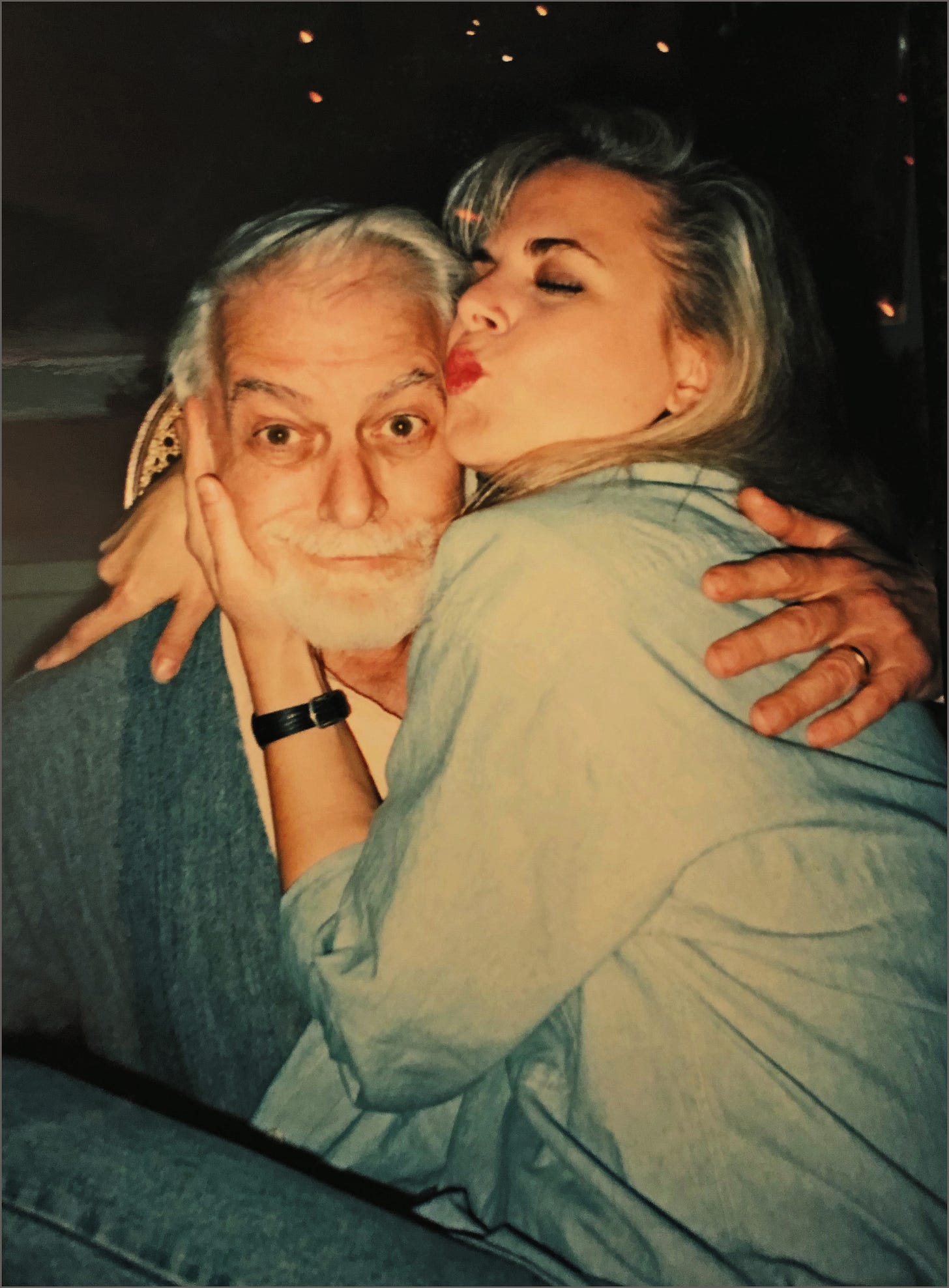
I had closed in a Christmas show the evening before and hadn’t been able to fall asleep for hours, so now, disoriented, I bolted awake as my husband answered the door. My brother. He lived up the hill; came down to tell me the news. Our father was dead.
I remember I had a grief reaction—an outcry, a bend forward—that didn’t seem authentic to me at the time. It felt like a rote response that was expected or something a person would do in such a circumstance, but the emotion didn’t make it to my gut until much later. Which was also odd. But I hadn’t lost a parent before so there was no foresight into how it should feel, how I should react, what was the appropriate response. Mostly it felt surreal. He’d been sick, so it wasn’t a soul-rattling shock, but still … it was my dad. And now he was gone.
If you asked me about my relationship with my father, in today’s vernacular I’d have said, “It’s complicated.” It was, in both basic, traditional father/daughter ways and in very individual him/me puzzles. A lifelong mash-up of deep love, incredible admiration; cyclical conflict, longing for closer rapport (me), confusion about what the hell I was doing with my life (him), and ultimately, always, back to deep love. It was hard getting enough one-on-one time with a parent when you have ten siblings, at least it was for me, and back then, as I created my splashy, vivacious persona to, no doubt, attempt to stand out in the crowd, I felt my father was still … elusive. That’s a good word, I think. I wanted his approval, his attention, but I wanted the stuff that was just for me, not “all my kids,” and that was … elusive.
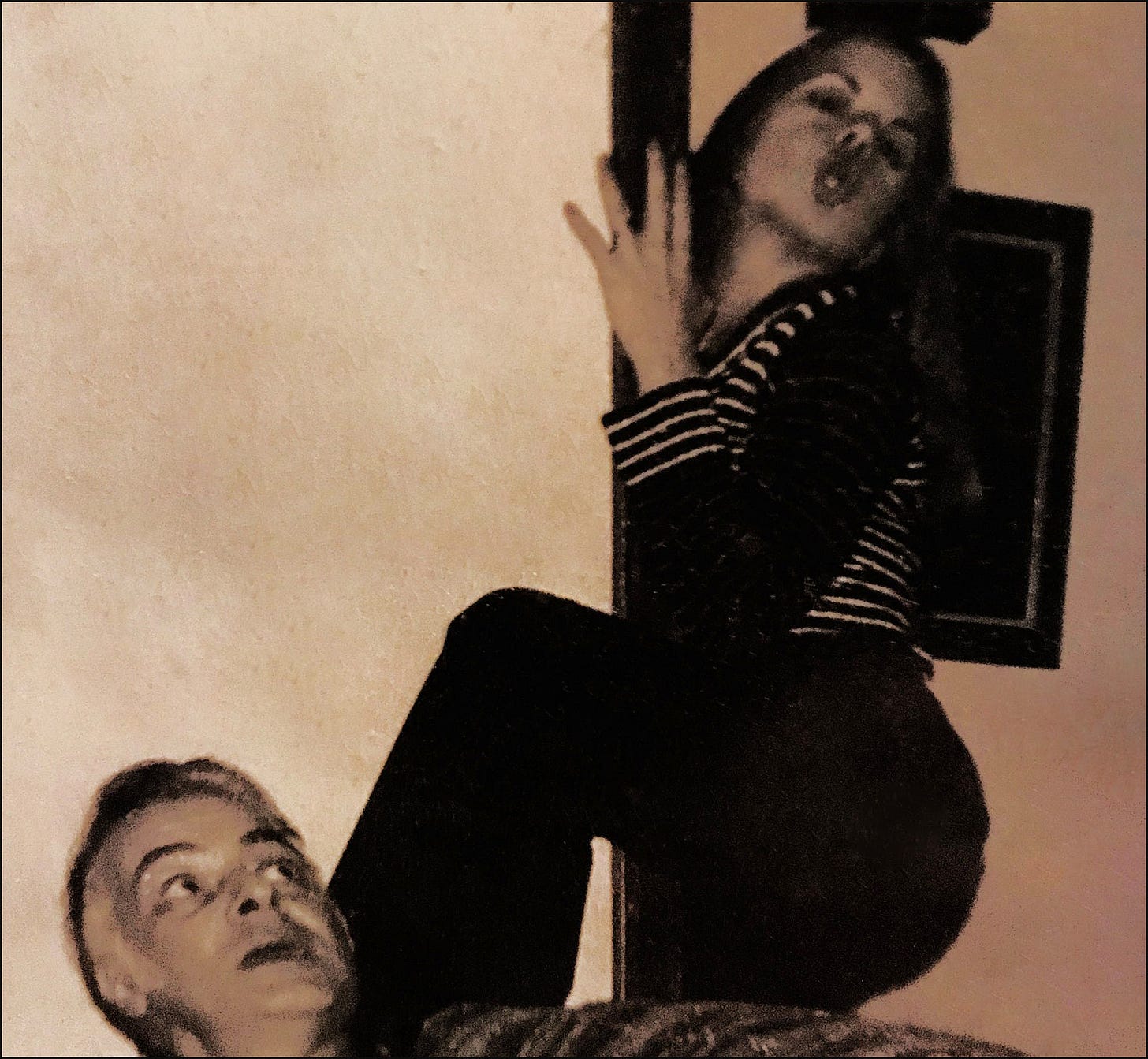
So I left home and got into my own life across the country, and years into that adulthood it seemed we were, finally, getting to a place where we could relate as peers. I’d become a wife and mother by then; we were grown people with common history and a shared passion for writing, reading, and arts in general, engaging in meaningful discussions of books, movies, family, the meaning of it all. It was good.
Then he got sick.
Neuromuscular, incurable; diagnosed as ALS, degenerative, devastating. It was only five months between the time he entered the hospital and that dark December knock on the door. Which is swift for that dreaded disease. But, as research of other cases made clear, that might have been a blessing.
I remember the first frantic day we knew something was undeniably wrong (there’d been denial on his part up to that point). My brother and I flew up to Olympia after he’d gone into respiratory arrest, lodged ourselves in a waiting room waiting for word while simultaneously watching shocked coverage of JFK, Jr.’s plane crash. July 16th, 1999. That confluence of tragedies made the date one I won’t forget. He was ultimately transferred to a Seattle hospital, where my sibs and I rotated vigil in the ICU family room. I was there eleven days without leaving, getting to know the doctors and nurses involved, being the family spokesperson, wrangling my confused and terrified mother; spending time and feeling hope after my father came to consciousness once again.
That hope took a rollercoaster ride over those next five months, up and down, good news; bad news, reassured, uncertain, ultimately concluding in a rehab facility where he lived with my mom until that December 13th. He died the very first night he slept without a breathing machine (something he’d insisted on), and only a few hours after I’d charmed audiences at the Alex Theater in Glendale with my bluesy rendition of “Walking In a Winter Wonderland.”
That’ll change Christmas for you.
That was twenty-five years ago today. Doesn’t seem that long ago, but twenty-five years is a quarter-century and much has changed in me, in my life, since. I think of him almost daily and look back on the road we traveled together, noting how my perceptions and interpretations of that journey have changed along with my own evolution.
His quick nutshell history:
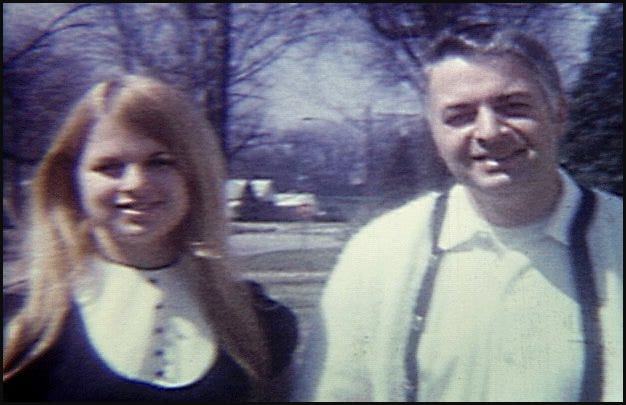
Born to two Greek immigrants who’d fled Turkey in the early 1900s to settle in Chicago where a large Greek community thrived, my father was a serious, handsome boy with one older brother, a love of nature, books, and writing, inspired to major in journalism at Northwestern University. In his early twenties, he fell in love with a funny, effervescent Irish/German Catholic girl who became my mother. His parents weren’t happy about the union—not so much because she wasn’t Greek, but because she was Catholic, a religion for which they held great antipathy, exacerbated when my father converted to make a church wedding possible. My grandparents did not attend that wedding, but later a shaky detente was achieved (the imminence of grandchildren will do that), and my parents moved into the second floor flat of their home, where my two older sisters, a younger brother, and I were born. Then they absconded from the city to raise us (and, subsequently, seven more children) in rural northern Illinois.
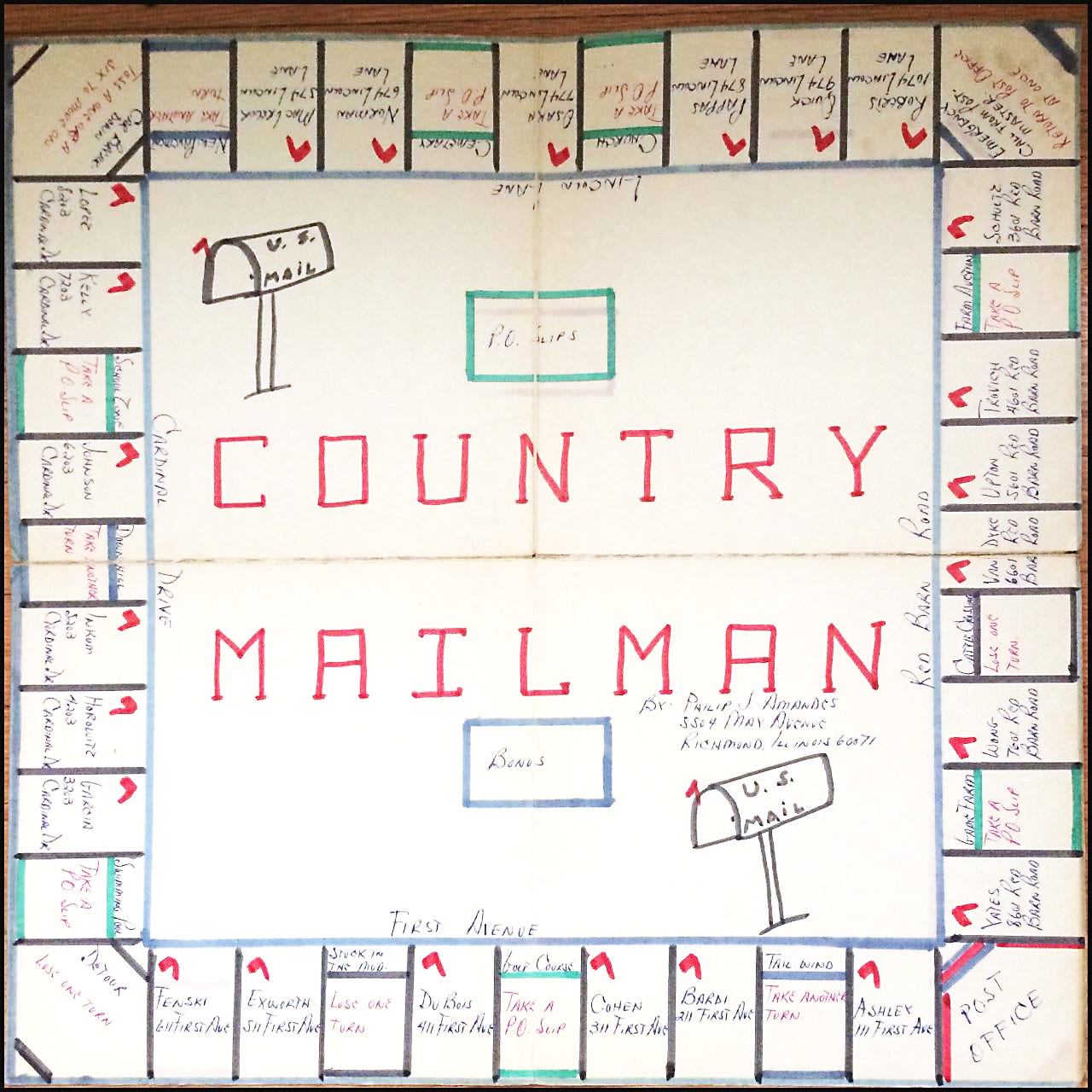
My father was one of those converts who became, perhaps, more committed to the religion than even my mother, which is what sparked many of our cyclical conflicts. I was a skeptic, a questioner, a doubter of the dogma and doctrines; he was not only an enthusiastic devotee, but it informed many of his parenting decisions I most chaffed at. Head-butting was frequent. But in between, I adored him for being the creative, funny, adventurous father he was, introducing us to theater, nature; getting us to White Sox and Cubs games. There was lots of music in the house; records played, singing was frequent; there was art, basement plays and backyard carnivals. While working at the local post office, he created a board game for us called, “Country Mailman.” We loved it. When the TV broke, boxes of library books replaced it and after we stopped caterwauling about losing our cartoons, we found the trade-off endlessly absorbing.
He was also a prodigious and frustrated writer. “Frustrated” because he was determined to get what he wrote—articles, short stories, novels—published, but, as many of us in the field know, that can be a hard goal (and there was no Substack back then!). He certainly found it so and that ground at him. Beyond the time and tasks related to that endeavor, he also kept copious journals he invited his children to read. I scanned a few but at the time didn’t find them particularly interesting (lots of dry, statistical data and odd analyses of people in his life). After he died, however, I was alerted to one written when I was twenty-six in which I played a central role, his year-long commentary on choices I’d made in/for my life and why he felt I was a failure at that point, squandering my many talents. Suffice it to say, that was a sucker punch.
Which became the title of my first novel, After the Sucker Punch, a highly fictionalized story that wrestled with those very plot points. Writing the book was both creatively joyful and a form of therapy. How strange, really, that a totally imagined character, the father’s sister, guided “Tessa,” the story’s protagonist, to an understanding of her father that was heretofore missing, helping her reclaim memories of her childhood and her honest love for him. All of which ended up informing my own emotional and psychological evolution. Fiction as self-therapy … what a concept! I had “Tessa” put some of that epiphany in a letter to her deceased father at the book’s end:
Here’s what I know: You were a good man. You had moments of warmth and kindness and you took good care of us. When you laughed it was golden. You loved a good book. You appreciated creativity and personal expression. You understood passion and you somehow made me feel like I could find my path in the world, that I had the courage to step outside of convention to go after bigger things. You encouraged my artistic self even if you didn’t understand it. You had your own dreams and you understood their value. I know because you were the one who gave me the eyes to dream in the ways I still do. You gave that to all of us, and it is a gift so treasured…
What I discovered in my search for you, Dad, is a stronger sense of myself. It’s fragile, occasionally teetering, in need of much support and reinforcement, but it’s there. I even wrote a song about it, the first one I’ve written in over five years. I’m sending it to you with this letter because it’s about you and me. About how, in trying to find you, I finally discovered who I am. The real me. The true girl. The one who survived your sucker punch, survived my own mistakes and evolved into who I am, not the stranger you wrote about. Your words didn’t define me; my life does. That is a monumental accomplishment. I’m holding on to it for dear life. And I hope you like the song!
Mostly? I know you loved me. No matter what you said in that journal, I know you loved me. As I loved you. And in accepting that, I’ve come to accept you as the flawed man you were. I’ve forgiven you for that man, as I’ve forgiven you for hurting me. I’ve also come to accept you as a loving father who relished life and cherished his family. Can those contradictions exist in the same person? Yes. Because I’ve chosen to believe that. And that choice gives me faith. Faith that you loved me. And that’s just going to have to do.
And I did write that song. For my own father. It’s one of my favorites. “My Search For You.” Click the title to listen.
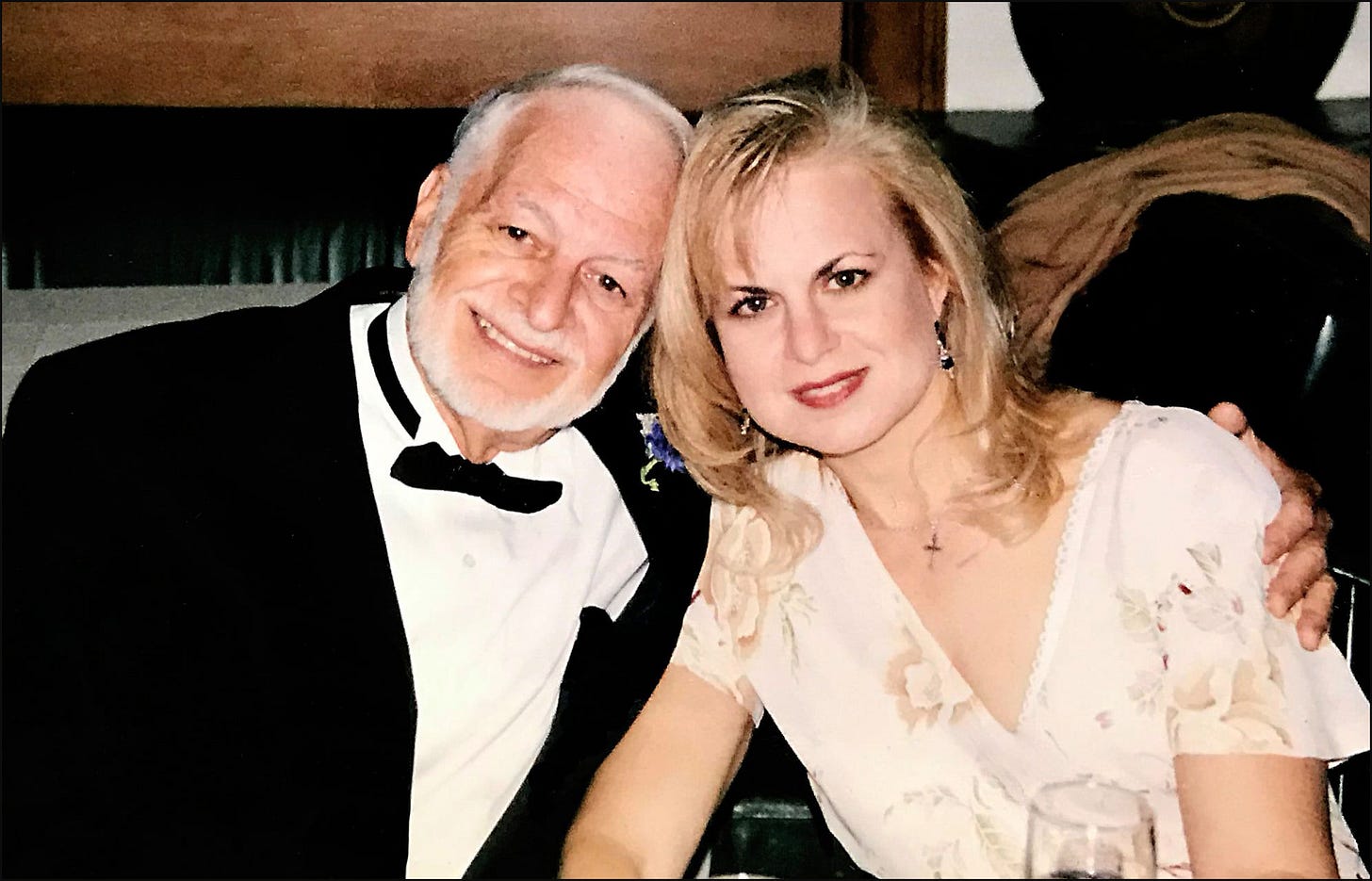
During one of our last conversations, he was at my dining room table reading some one-acts I’d written for a theatrical production. After putting them down, he looked up at me and said, “You’re a better writer than I am.” He said it humbly, authentically, and it left me both elated and sad. Elated that he recognized and acknowledged a skill and talent he’d, in fact, nurtured in me; sad that it seemed to indicate a resignation, a reconciliation, of his own dashed dreams. But still … he kept writing until his beleaguered hands couldn’t write anymore, which was just weeks before he died. I’ve often thought that as a passionate, driven writer, his being forced to accept that limitation was one final, powerful reason to let go… which I understood.
So, on this twenty-fifth anniversary of your death, know that I’m thinking of you, Dad, as I so often do. I hope wherever you are you’re either living another robust, creative life, or hanging with Mom and Eileen, maybe even Grandma, enjoying the lightness and freedom of whatever that vaunted, unknown realm offers. Know you are loved and missed by us all. Certainly by me, your third daughter. The loud one. You’ll always be missed by me.



 When I was about three months pregnant, I remember looking into the empty room that was to be his, overwhelmed with a feeling of, “Oh, dear God, there’s going to be a person, an actual living person in there in a few months, and what the hell do I know about taking care of an actual person who’s going to non-negotiably LIVE with me for the next couple of decades??!” It was science fiction, that’s how strange and unimaginable it seemed at the time. And yet, by eight months I was calm and ready to get on with it; by nine I couldn’t wait. It was then I realized how truly brilliant Mother Nature is, the way she so wisely manages our evolution to assimilate, cope, and ready for the big changes in our lives. And just as we mothers are given nine full months (in most cases) to ramp up to the enormity of the task we’re taking on, the gestation period of the college chapter 18 years later is our time to learn how to successfully let go and move beyond that first incarnation of the job. The Motherhood Bookend, if you will. Bringing Them Home then Letting Them Go. There’s a sad but sweet symmetry there.
 understandable, that struggle, but since the changes are inevitable, it’s advised to get a jump on it! Take the gift of these college years, so generously offered by Mother Nature, to slowly but surely learn the parameters of your new role. By the time you actually get to their Fully Adult part, when they’ve moved into their own home, are paying their own way, and struggling with their own transitions into their own new roles as independent men or women, you’ll have a tremendous head start, ready and able to help them through it all. And they’ll need it!
 I remain unconvinced that growing up and leaving home is just a required part of the program. In my own case it certainly was but in his… well, somehow it strikes me differently. I’ve always felt if it ain’t broke don’t fix it and we had a pretty unbroken thing going. He was a delightful companion, a relatively responsible roommate (though I admit the early years with the diapers and spoon feedings were a tad one-sided); a stellar entertainer, and quite the flexible traveler. There were tantrums, I admit, occasional lapses in academic devotion, and the limited food palate could be a challenge, but he was never incorrigible, and he generally thought we adults were cool. He was like living with your best friend through the various stages of your best friend’s life right down to the moment he figured out HTML and could build your website — then it just seemed silly to let him go.
 As we edge closer to this second chapter of Empty Nest, what’s coming into view is the reality that once the child leaves home for that first school year away, nothing is ever quite the same. We will get into familiar rhythms of dinner around a good movie, card games at the table, hikes down to the jetty, meals and plans and trips together, and it will be wonderful and I will cherish every moment. But unlike before — when this was just OUR LIFE, when time stretched before us so wide and open and whatever happened today might happen again tomorrow and we didn’t need to talk about it or look too far ahead because it was just there, unfolding naturally every day; Family. Mother, Father, Son — what it is now is… I don’t know. I’m not sure. We’ll see. Send suggestions.


 | Rock+Paper+Music |
You must be logged in to post a comment.