’How’s Your Book Doing?’ and Other Post-Publication Questions

Every step in the process of birthing a book has a life of its own:

Imagining the book. Writing the book. Editing the book. Querying the book. Not querying the book. Publishing the book. Celebrating the publishing of the book. Then marketing and promoting the book. And marketing and promoting the book. Still marketing and promoting the book…

I repeat that last one because it seems that once your book has been put out into the world (however it gets there), the relentless demand from that moment forward to promote and market the living hell out of said book is the worst— I mean, the most exhausting, overwhelming, often confusing—part of being an author in the year 2025. Or any year. Ever.

I’ve had four novels published. The first two I self-published (2014 and 2015). The third I hybrid published (2019, She Writes Press). The fourth was published this year by Sibylline Press, a small traditional publisher with a marketing buy-in. I love all four of those books. They truly are like my children; each individual and specific. Each gestated with love and devotion. Each brought into the world with high hopes and unlimited dreams. And each as demanding and unpredictable as any child can be.

My last book, Chick Singer, came out in early April, and since then I’ve been asked innumerable times, “How’s your book doing?” My answer is always the same:

I don’t know.

I don’t know because we’re not yet up to the publisher’s first reporting period. I don’t know because despite enthusiastic responses via texts, emails, private messages, social media, and in person, the book has not accrued many reviews on Amazon or anywhere else (are people just not reviewing books these days or am I being gaslit about “how much I loved it”??). I don’t know because despite my relentless flogging of said book via social media and everywhere else, I see countless other authors and books also getting prodigiously flogged, and how can I compete with that onslaught of excellent books, sparkling authors, inventive promotional events, with then a whole new season of countless more of all that? I don’t know that either.

I can just do … well, me. My book. However I do that. I’ve done it three other times with varying degrees of success, yet, to be honest, I am a tad flummoxed as to how and why results have been somewhat different this go-around. Different time, maybe? Changes in the industry? Readers responding differently after decades of supporting indie authors? Whatever the cause, I still very much want my latest novel to soar and so I adjust and pivot as needed to respond to the changing … whatevers.

One way I’m doing that is by putting aside any “opening weekend” mentality, deciding that, regardless of when the industry determines a book has aged into “backlist title” territory, I’m going to take the entire post-publication year to treat this book like the newbie is it. We don’t deem a one-year-old child to be a has-been, old news, a backlist kid, do we? Even if another child arrives at some point, that year-old entity continues to elicit our passionate love and support; hence, my book of 2025 is going to be treated as a cherished new child until … I dunno, until whenever I decide.

Of course, this doesn’t mean media, bookstores, or reviewers are going to go along with my year-long rollout, but I’m going to do my damnedest to bring them along on the ride. Which means I have to get creative. Be indefatigable. Relentless. Even innovative. We’ll see what I come up with and how it all goes.

As a first step, I’ve pulled another side of my creativity into service: my music. Having been a singer my entire life, including during the wild and wooly ‘80s, it was suggested by a clever bookstore manager that—since Chick Singer revolves around a former ‘80s rock singer suddenly thrust back into the secrets and dreams of that era—it would be a great tie-in to have my band play before and after the book presentation. I was thrilled by the idea, my band worked up shiny new versions of my old ‘80s tunes, and the event was a smashing success. So much so that the store invited us back to play (and for me to present my book again) at a party celebrating their 5th anniversary. I sold more books, there was cake, and people danced … another smashing success.

This kind of innovative promotion seems to me to be a very good idea … if you’ve got a band and a book about rock & roll singers! If you don’t, the idea would be to explore whatever tie-ins make sense for your book. I’m seeing Facebook posts from authors who’ve done just that: a princess-themed party for a romance novel about a princess, environmental speakers at the book event for a novel focused on climate change; poets brought in for a book presentation about a wandering poet. Creative, fascinating, engaging. This is the kind of promotion I like seeing and like doing. I plan to keep my own “creative promotions” going long enough to inspire continuing, increasing traction for Chick Singer.

But, ultimately, publishing a book is much like gift-giving: you do your best to present an absolute top-notch item (your stellar story, buffed, shined, and edited), you wrap it as artfully as possible (gorgeous cover and book design), you offer it with enthusiasm and confidence (“I do hope you like it!”), and then … well, then you let it go. And just as you don’t keep checking if they ever wore that blouse you gifted, or “if you like those earrings I gave you?”, you can’t keep pulse-checking with people who promised to write a review but didn’t, or said they’d buy the book but “keep forgetting,” or promised to suggest it to their book club but haven’t yet. You can only do your best to gently nudge, to promote; to follow-up, follow-through with media resources, and keep exploring new, interesting ways to amplify and shine more light on your work. Then you trust what you’ve put in motion and move on.

But to answer the title question: if I were to hazard a guess about Chick Singer’s reception out in the wide, wide world, based on media reviews, delighted emails, phone calls, texts, social media posts, and bookstore conversations, I’d say it’s been very well received. People have enjoyed it, been moved by it, entertained by it. And that, really, is the most essential goal, isn’t it? Whether we crack that elusive bestseller list, accrue countless reviews, sell bundles, or win awards and kudos from influential people, knowing the ones who bought it and read it “really loved it” … well, that’s gold. That’s the prize. That’s (almost) enough for me.

I’d still like to crack that damn bestseller list someday …

Originally published in Women Writers Women’s Books.

Your Plateauing Book: How to Keep the Love Alive After the Hoopla’s Gone

“The party’s over…”

Anyone who’s ever worked long and hard on a project that demanded creative vigilance, relentless effort, and savvy timing, who’s reveled in a successful launch, a great rollout, the subsequent afterglow, and then the slow… slow… slow… lessening of… interest… energy… attention… response… excitement… etc…. knows this moment:

The plateau. The dreaded plateau.

It’s that inevitable turn when things quiet down. The ebb to the flow, descent from the summit, deflation of the high. The moment you realize the thrill is gone.

Not yours, certainly. Not even the people’s, whoever your people might be. But the zeitgeist’s. The zeitgeist’s thrill, which is temporary, ephemeral, and looks something like this: You’re six months in, your primary people have all read the book; the publicity campaign is over and you can’t afford another round. Whoever was going to leave a review probably has. The ones who said they would and didn’t probably won’t. “Influencers” on Instagram aren’t making great memes of your book anymore. Bookstores still responding to your inquiries mention, “we’re keeping the focus on new releases,” and no one is chasing after you for interviews.

It’s the plateau, baby, the one that happens after the hoopla’s gone.

It’s not that your creation is any less applause-worthy, any less “a remarkable achievement.” It’s not that readers don’t like it anymore or have stopped thinking you’re “an astonishing writer.” It’s not that you won’t sell more books or inspire additional reviews. There will likely be occasion for another podcast, you can surely wrangle a “post-launch” bookstore event, and a $1.99 ebook sale pushed by BookBub would definitely perk your Amazon rankings.

But like most romances six months in, the chemicals have cooled. Your book is no longer a “shiny new thing.” Other, newer, books are getting the heat, and you know you can’t keep chattering about yours on social media or “overshare exhaustion” will set in.

So what do you do?

The first thing many (most) purveyors of book wisdom will suggest is that you start another book… which doesn’t answer the specific question of what to do with the one you already have, the one you just finished and just put out into the world. Telling someone to assuage their postpartum blues by leaping back into the procreation cycle ignores natural attachment to the one “just birthed.”

And though I’m all for “continued creativity,” and conventional thought does say the best way to succeed in publishing is to write lots and lots and LOTS of books—I’m of the heretical belief that the only time to write another book is when you’re absolutely compelled to do so. When a story literally begs you to sit down and breathe its life onto the page. But you can argue that amongst yourselves. As for your plateau?

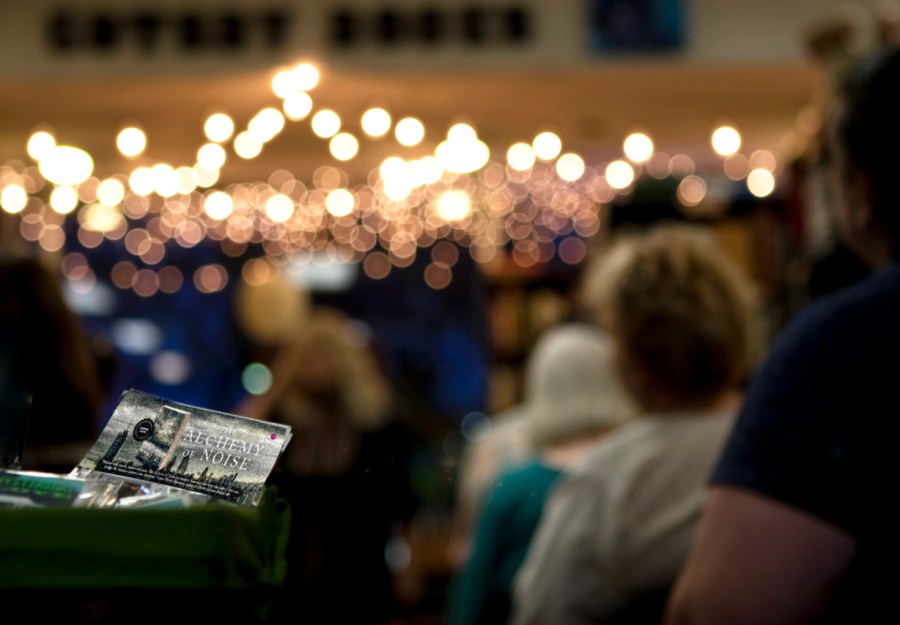
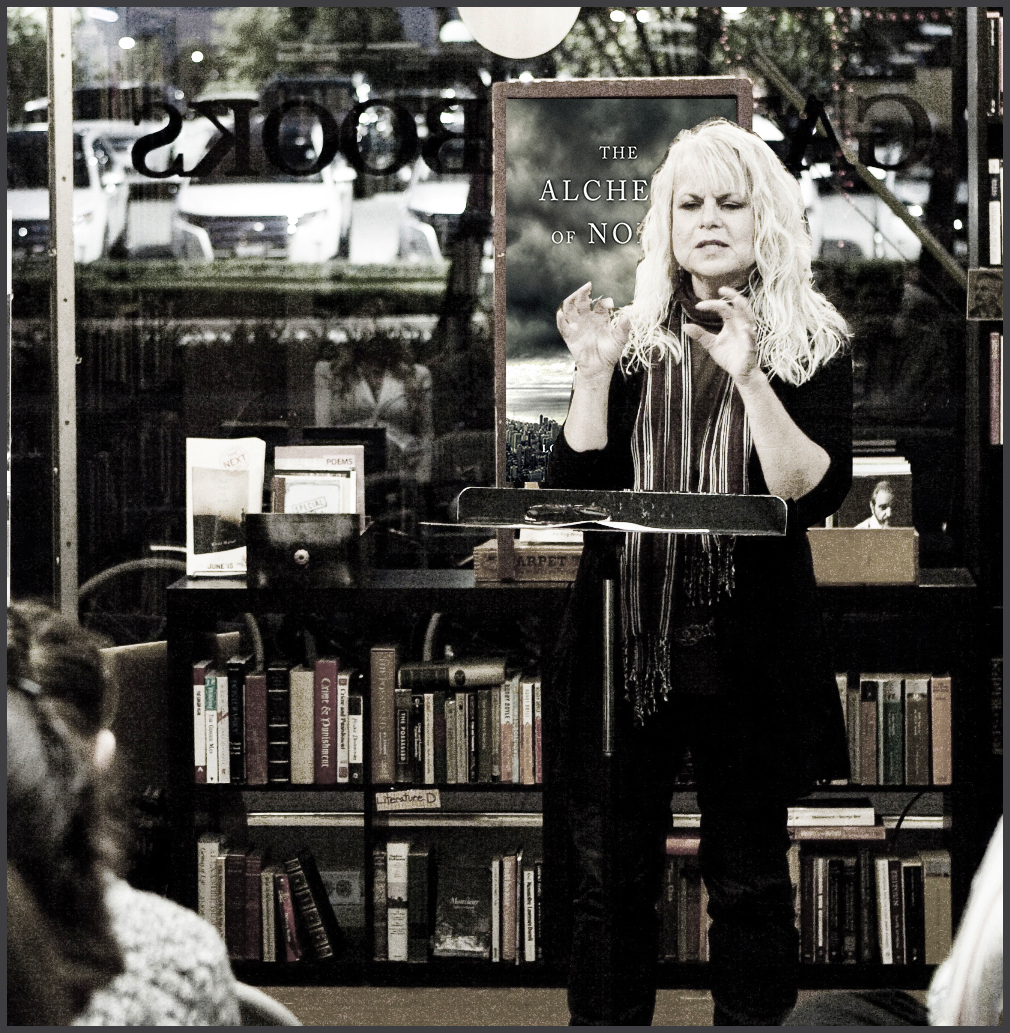
I’m not so arrogant as to think I have all, even any, of the answers; I do not. In fact, I’m currently wandering around my own plateau after the April 2019 release of my third novel, The Alchemy of Noise. In fact, it’s the driving need to prevent my own literary depression that’s pushed me to figure out how best to endure the slowdown. And since I’ve come up with a few solutions that are and have been helpful to me, I thought I’d pass them along in the event they are to you as well:

1. Start writing your next book. I know, contradictory. But despite my disclaimer of above, I have to put this at #1 because if you are so moved, it is, frankly, a good step. There really is a wonderfully distracting, creatively exhilarating, pleasingly accomplished element to getting back to work on a new book and letting the baby sit alone for a minute.

2. Activate post-launch book promotions/advertising via sites like Women Writers, Women’s Books, BookBub, IndiesUnlimited, Author Marketing Experts, and BookLife. These are great sites, amongst many others, with abundant information, so explore and take advantage of every opportunity they offer, particularly those designed for “beyond the launch period.”

3. Subscribe to selective newsletters that alert writers to promotional and marketing opportunities, jobs, and contest suggestions. Some excellent ones are Erica Verrillo’s Publishing … and Other Forms of Insanity, Jane Friedman’s content-rich site and newsletter, Adam Cohen’s Winning Writers, and Hope Clark’s Funds For Writers. In fact, not only avail yourselves of their copious suggestions, but submit content if it pertains, ask questions where appropriate, and when you do, always mention your book. Look for every chance to engage and bring authentic attention to you and your work.

4. Enter contests. There are millions, it seems, and it does take work to sort out which are viable, valuable, and worth your time, money, and book copies, but they are excellent plateau-breakers. So do the research, compare notes, then enter your book into as many as make sense or you can afford. Additionally, crank out some sparkling short stories and enter contests for those. Write first-person memoir pieces and do the same. While your beloved book is learning to walk on its own, you can stir up interest in you as an author by winning, getting honorably mentioned, or becoming a finalist in any number of chosen contests. Plus, those wins will give you something new to talk about, which is exactly what you’re going for.

5. Book clubs. Reach out to everyone you know who belongs to one. Go to MeetUp.com and explore their many book club groups; put up a request on Facebook, Twitter, all your social media for “interested book clubbers.” Suggest your book, gift free copies to club leaders; offer to conduct a giveaway; commit to an “author’s appearance,” whether in person or via Skype (or whatever online format you use). People need content for book clubs always and forever, and they’re not stuck on “recent releases.”

6. Wrangle up some friend/family interviews. This one might sound silly, but it’s actually fun and very effective: carefully select knowledgeable, book-savvy friends or family members, invite them to present you with a list of questions they have—about you as a writer, your process, your book; why you wrote it, what you hope to accomplish, etc.—then follow-up as you would any interview request. Once it’s done, and with your interviewer’s permission, post it on your website, your blog, your Facebook page, etc. It’s amazing how questions from an industry layperson can offer refreshing insight outside the norm of marketing folks. Your readers will definitely find it interesting and possibly quite charming.

7. Write articles about books and publishing… like I’m doing here! Then send them out to top book sites, get them published and/or publish them on your own site/blog. Always find a way to mention your book (as I did! 😊), but be sure to offer honest, authentic, and useful information. If you do, odds are good that people will start asking you to provide additional content and that’s a boon—your online bio will always mention and link your book. But mostly you’ll be contributing positively to your community and that builds goodwill. Goodwill is good.

8. Host book parties. Think Tupperware. Scented candles. Arbonne. There’s never a bad time to organize gatherings devoted to commerce and wine, just as there’s no cut-off as to when you can throw a soiree to promote and sell your book. Ask a friend to host or host yourself. Maybe involve other authors to make the event even more festive. Send out invitations or choose a place big enough to accommodate the wider net of Facebook friends. Provide snacks and drinks, plan a short reading and Q&A segment, a drawing for a book or two. Have your books and a Square (card reader) at the ready. Be candid about requesting their reviews after reading, outright about asking them to help spread the word. Hand out bookmarks. Give them book cookies. Do it up. They’ll remember and I guarantee it’ll be a good memory.

9. Get involved in book fairs and festivals. Almost every city has a book event or two during the year. Two of the best in the Los Angeles area are the LA Times Festival of Books, and, in nearby Long Beach, the The Literary Women’s Festival of Authors. But there are countless others around the country, and, depending on your budget and ability to travel, you can stay close or get out there. The main idea is to get your book in a booth and in front of interested new readers. Tables can be expensive so get together with other writers in your area (there will likely be plenty of “plateauing authors” just as excited as you to be involved!). Split the cost of the booth/table, the advertising, whatever ancillary costs come up. Have lots of books on hand and be up on all necessary sales/tax info that applies. Be ready to maximize the opportunity to enthusiastically put your book in front of the thousands of readers who attend these events. Golden.

10. Perform! I have a friend who started her own YouTube channel filled with videos of her interviewing other artists and writers she finds interesting, and, of course, she always concludes with clear verbal and visual information about her own book. A couple of other friends are now starting podcasts, intending to interview artists of every ilk and, of course, promote their books. Whatever suits your sensibilities, get out there and make some noise. I actually saw a woman on the Venice Boardwalk who played guitar and sang, had a tip jar out front, and a table in back stacked with her books. She was ready for anything, which I thought that was pretty darned innovative!   

There are, no doubt, lots more ideas (feel free to add them in comments) but this is a good head start. The bonus is, once you have new things to talk about—awards, events, published articles, etc.—you’ve got brand new spanking information to share, which always presents new opportunity to talk about your wonderful book.

But, mainly, remember that your baby has a long life expectancy, and hoopla is not required to keep it alive. A plateau can offer space to breathe, reassess, re-strategize. Take that moment when it comes; refresh your mind, hustle up some new ideas, then start climbing again.

It’s the journey… it’s always the journey.


Photos in order:
Nicole Honeywill / Sincerely Media on Unsplash
MILKOVÍ on Unsplash
Other photos via LDW


Visit www.lorrainedevonwilke.com for details and links to LDW’s books, music, photography, and articles.