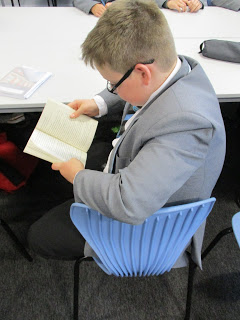
Chick Singer Is Out In Audiobook and, YES, It Counts As Reading!

The audiobook for my most recent novel, Chick Singer, is being released on Tuesday, June 30th and I am delighted. If I could invite you all to a party and celebrate with cookies and cheap champagne I would, but given logistics the best I can do is suggest a box of Crumbls and a visit to Amazon or Barnes & Noble (or these other places) to pre-order it … I will toast my thanks in spirit.
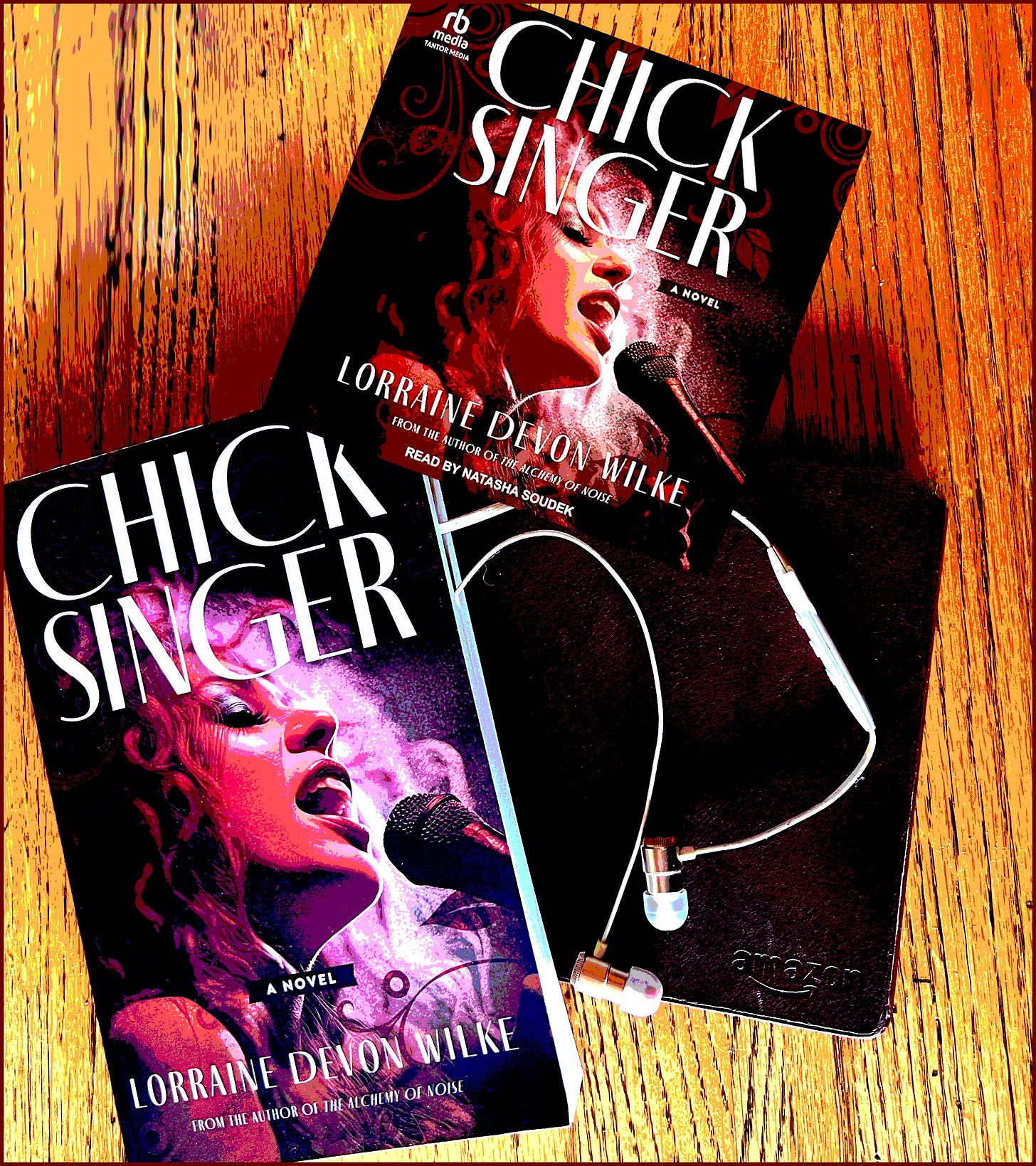
Paperback, ebook, audiobook?? What’s REAL “reading”?

I want you to get and enjoy it because this is a book I loved writing. Well, I’ve loved writing all my books, but this one has a certain echo that strikes me particularly as a singer, a creative. It’s not my story, but it is one about “sidelined dreams and second chances” (Kirkus Reviews), the pain and passion of creativity, even a feisty mother/cranky daughter plot line some have found both hilarious and familiar. I don’t have one of those, the cranky daughter, but I do know about the rest, and hearing that those topics resonated with many readers in many walks of life has been gratifying. Now I want listeners to have the same experience.

And, hey, it’s all the trend, audiobooks. According to the New York Book Forum“Audiobooks are the fastest-growing format in book publishing, with market revenue recently surging past $2 billion. More than 50% of Americans have now listened to an audiobook.”

But, still, oddly, and even with that burgeoning statistic, there remains debate about how imbibing audiobooks compares to the act of reading them. Amongst various articles I’ve read on the topic, I recently came upon an online thread that took it on with vehemence—because apparently we humans have to argue about everything. In it, I was informed that there’s a BIG difference between reading a book and listening to one. In fact, one sniffing arbiter of (clearly 🙄) all things literary remarked, “People brag about ‘reading’ tons of books when really what they’re talking about is audiobooks. Not the same thing at all. Reading requires active involvement; listening is passive; it can be done while doing other things.”

And?? This is a problem? Sometimes when I’m on the phone I clip my houseplants, no less engaged and interested in the conversation as my ficus springs to life. If, say, I’m driving while listening to a book (as I often listen to NPR/LAist’s storytelling segments while stuck on the freeway), my enjoyment of said story is no less than when I’m curled in bed with my Kindle.

But the greater point is, why must we argue about this? Isn’t it enough that we’ve got the Reflecting Pool, Caitlin Clark, and debate over whether to wet your toothbrush before or after applying toothpaste?

And here’s the thing: OF COURSE LISTENING TO AUDIOBOOKS IS DIFFERENT THAN READING THEM! There is no debate there. But what does it matter? Who cares? Certainly I as an author don’t. A story is a story. How it’s told, the format with which it’s conveyed; the medium used by the consumer to avail themselves of that story is irrelevant to the merit and emotional impact of what has been written. Or imagined. Or passed down through families and cultures. Consider the history of storytelling …

Oral storytelling dates back over 40,000 years, long preceding written language. Early humans used spoken myths, rituals, and chants around fires to share survival strategies, preserve genealogies, and build community. It remains a vital living archive across indigenous and global cultures.

Given that, I’d say audiobooks actually hold stature over written books, yet there remains condescension to the discussion. The sense that—as some assert emailed “thank you” notes aren’t on a par with handwritten ones (I am not of that school; a “thank you” is a “thank you,” regardless of transmission)—reading is simply a higher, more intellectual form of literary consumption than listening.

New York Times opinion piece by Brian Bannon, which analyzes the different ways in which the brain is engaged while reading or listening, supports that point:

As a librarian, I get a lot of questions. One I am hearing more often is: Do audiobooks qualify as reading?

Many people don’t think so. There is a pride — even a snobbishness — to being well read. Telling someone that you have only listened to a certain book usually comes out sounding like an apology. A recent NPR-Ipsos poll found that 41 percent of adults don’t believe audiobooks qualify as reading. One friend of mine, who argues with his husband over this, once memorably told me that listening to a book felt like seeing a musical in New Jersey instead of on a Broadway stage. Close, but not the real thing.…

… maybe, even as the traditional way of reading books is in decline, the destigmatizing of audiobooks offers a path toward a more nuanced way of thinking about literacy.

Odd that we’d even have to “destigmatize” audiobooks, given the aforementioned tradition of oral storytelling, but that’s just the way of the online “let’s debate everything” world we live in these days, isn’t it?

As for my own “oral story,” some of you asked if I narrate the book myself, and though I wanted to—pitched myself for the job, hoping my acting bona fides, union status, and background in the music biz gave me a foot in—but Tantor Media (the audiobook publisher) wanted someone with specific experience in the arena of book narration, as well as a following and draw of her own. A fabulous artist named Natasha Soudek was picked to bring the Chick Singer to life.

Natasha Soudek is an Audie-nominated, multiple Earphones Award-winning actress and narrator who has been featured in more than 200 audiobooks and television commercials. Star Trek fans may recognize her as the first blond Vulcan in Trekkie history, Lt. Soudek, from the movie Star Trek Voyages: Phase 2.

Clearly, I’m in good hands.

Let me know what you think. Get your copy, listen, enjoy, and don’t hesitate to send me your feedback. This is my first audiobook, so I’m intrigued to learn how it strikes those listening.

Because, ultimately, Brian Bannon’s summation in his article is mine as well, the perfect answer to all the book curmudgeons caught up in the debate about how books, stories, should be consumed.

“However we read — by eye, by ear or both — it all counts. What matters is that the words get in, the brain makes meaning and the identity of being a reader takes hold. We need more readers, however they get there.”

I could not agree more.


Audiobook links for your convenience… thank you and enjoy!

AmazonBarnes & NobleApple Books. Rakuten Kobo

Can Reading Fiction Really Save Humanity?

These are trying times.

In fact, the times have been trying for so long that many of us are exhausted from trying not to lose our fucking minds, a quest that’s sparked vigorous efforts toward that goal.

Much discussed, online and off, is the need to keep sharp and aware, alert to the detours and imminent dangers of our, well … trying times. Burgeoning cultural chaos has led to taking necessary steps to maintain mental health and a sense of connectedness even during the emotional maelstrom of 24/7 news storms. Creativity is encouraged, nature beckons; we applaud any suggestion for offsetting the toxicity of our current moment, open to new and novel ideas.

Well, speaking of “novel,” have I got good news for you: Reading fiction can can save your brain. It can make you smarter, improve empathy and critical thinking skills, and “positively affect mental health, reducing symptoms of depression, anxiety, and stress.” Who doesn’t need that right now?

It turns out this delightful act/pastime/passion (depending on how it hits you) is not only an enjoyable activity, but one that contributes to the health and welfare of our ever-essential brains.

Despite its longtime assignation as strictly a “source of entertainment,” reading fiction has the capacity to actually enhance human behavior by, yes, nurturing empathy and compassion, but also affecting declines in violence. It might be strange to consider, but it seems immersing oneself in the many different worlds, characters, and narrative experiences that fiction offers can impact and rewire the brain in a variety of positive ways, conclusions gleaned from new research published in the Journal of Experimental Psychology.

Readers of fiction can transcend the here-and-now to experience worlds, people and mental states that differ vastly from their local reality. The consequences of reading, however, extend far beyond the subjective experience of any one individual. Researchers from fields as diverse as evolutionary psychology, literary studies and anthropology have independently credited literacy as a possible explanation for such fundamental societal shifts as the decline in human violence over the past few centuries, the development of desire-based over rule-based social interactions, and the advent of ‘modern subjectivity.’ National Library of Medicine

All of which makes perfect sense to me. As one who’s been an avid reader of fiction since childhood, I can attest to the experience of fully leaping into a novel to not only feel the page-turning excitement of a good story, but the unexpected opening of one’s mind to new ideas, cultures, traditions, and human narratives otherwise unknown. I’ll never forget reading The Little Drummer Girl by John Le Carré and gaining a wider, more expansive view of the situation in the Middle East. To Kill a Mockingbird touched my young heart and soul on issues of racism and courage. There are so many novels that have impacted humanity that articles like this one exist to help us find them: 10 times fiction changed the world.

Reading fiction also impacts our mind by demanding it pay attention, page-to-page, chapter-to-chapter, to following the story and characters from beginning to end, a mental exercise that develops neural pathways that sharpen brain and memory functions, working one’s ability to remember, to hold the through line to the end. Conversely, in non-fiction you can bounce around cherry-picking what interests you without losing the overall impact of a book’s message, likely why non-fiction doesn’t provide quite the same brain benefits as fiction.

Of course, writing fiction, I’m certain, offers similar payoffs in terms of the positive effects of world-building, climbing into the mind, soul, and spirit of characters you love, hate, or may not even fully understand despite the fact that you’ve created them. I’ve often found myself so involved in the lives of people I’ve conjured up that when I’m officially done with writing, rewriting, tweaking, and rewriting some more, I feel bereft at the idea of walking away from them and their world.

The process of writing a story has also brought me greater understanding of issues and events I’ve chosen to include in the narrative. Writing my first novel, After the Sucker Punch, in which I fictionalized a difficult situation I’d had with my father, allowed me as the author, the creator of that story, to pull apart, analyze, and ultimately better understand that situation (a phenomenon my friend, Diana Stevans, cites in her lovely book, Along Came a Gardener). Fiction, it seems, is a powerful tool whether reading or writing.

People who read a lot of fiction have better cognitive skills than people who read little or no fiction.” Neoscope

So while you’re on the high-wire act of Life in America 2025, exploring ways to keep from losing your footing and tumbling into the abyss, read fiction. Grab some of the titles off the list linked above. Intersperse novels between TV-watching and non-fiction reading. Between protest marches and walks in nature. Between calling your congressman and calling on friends. Between raising your family and raising a ruckus. Read a novel and give yourself the benefits cited. You’ll get to enjoy a good story, and your heart, soul, and brain—and humanity!—will thank you for the enhancements.


NOTE:

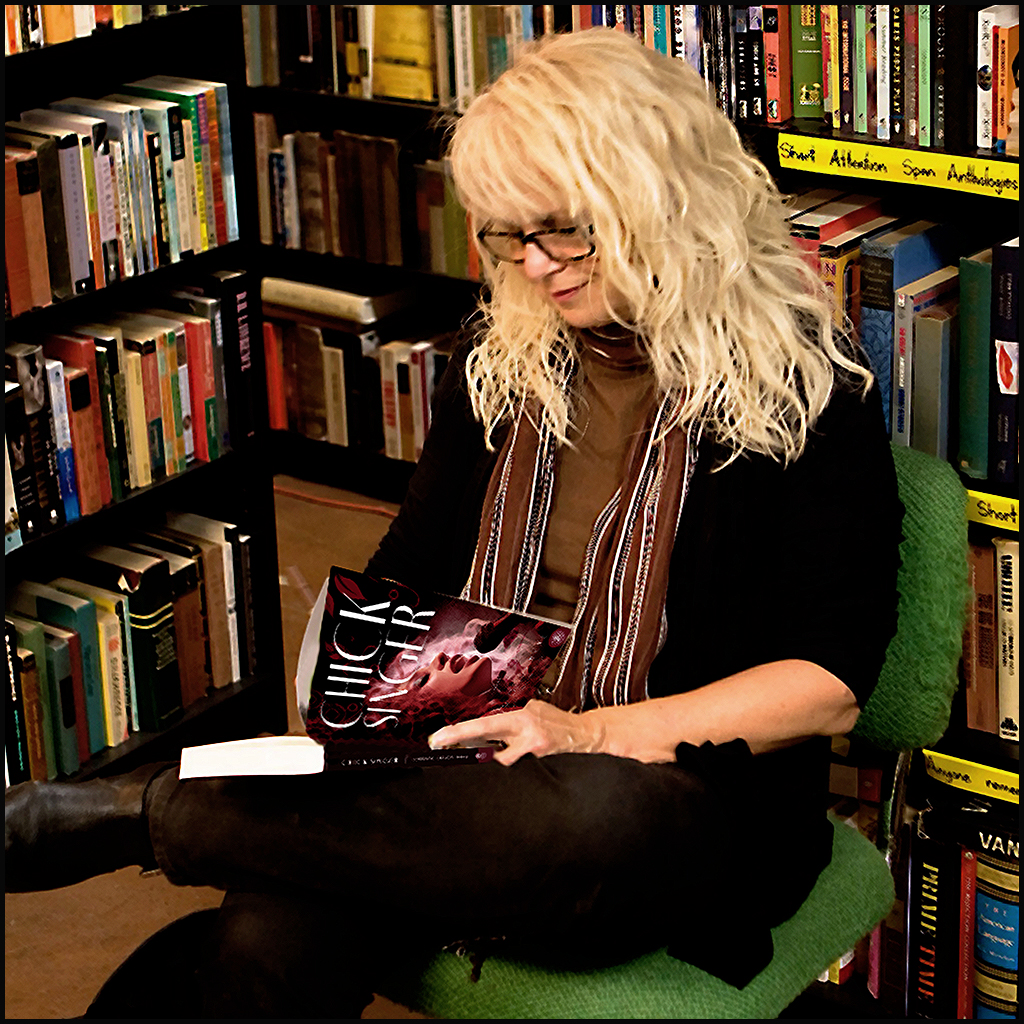
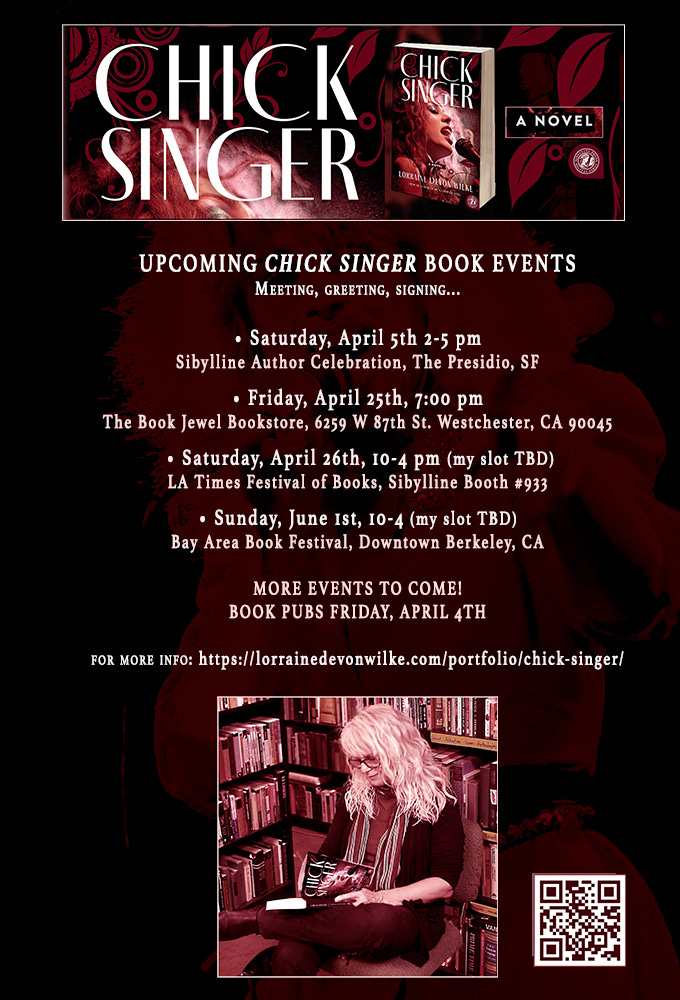
My latest novel, Chick Singer, is out in a few weeks (April 4th) and people are asking if/when there will be book events or other happenings related to that release … thought I’d post what’s on the roster so far.

All events at this moment are in either LA or SF, so I’m hoping peeps in those areas will put these dates on their calendars and come join us. I’ll be reaching out to set up at other places as we roll out and will keep you informed as I do.

In fact, if you have a book club you think would enjoy the book, or a favorite book store in your area you’d recommend, please let me know. I’m already planning trips to NYC, Chicago, and up the coast here in CA, so I “have book, will travel” … holler at me. Look forward to seeing you along the way!


Want To Help Inspire Kids To Read? I’ve Got Just the Way To Do It

Brilliant Books banner

If you are alive and aware in the year 2015, you know that one of the most common complaints articulated is how technology has surpassed all other avenues of entertainment for “today’s youth.” Likely every parent, teacher, mentor, writer has made note of this cultural evolution (devolution?), and while most would claim no antipathy for technology itself (many quite happily using it to their own advantage), there is a general sense that proper balance between the tugging mediums has yet to be found.

Which prompts the question: Is there a way for kids to learn and engage with technology without losing the glorious and countless benefits of reading actual books? As any book-reading/loving adult who concurrently loves the Internet can attest: YES! But first you’ve got to inspire a love of books and reading, and that’s not easily done in the cacophony of ever-more-seductive screens. 

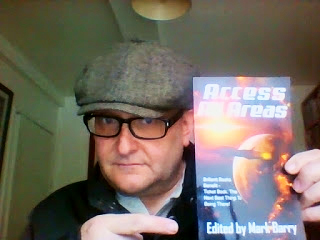
Access All Areas SelfieMark Barry, a Nottingham UK native who also happens to be an incredible writer and novelist (two of his books, Carla and The Night Porter, are top faves of mine!), is the co-founder of a brilliant organization called, quite appropriately, Brilliant Books (you can read all about it HERE).  This organization’s sole mission is to create access to, and interest in, books… books that children are then inspired to read. Books that are put into the hands of children who might not otherwise have them. But Mark and his partner, Phil Pidluznyj, don’t just leave it there:

Essentially, Brilliant Books go into schools with successful people in tow; people who credit their success in careers, etc. because they read fiction as children and continue to read.

In two hours, they give an inspirational talk, then help us work with up to twenty children, in small groups, mostly reluctant readers, each writing a short story. 


IMG_0006Finally, after eight weeks, the stories are collected in an anthology which is presented to the kids in front of their peers, so they essentially become published authors at between 10 and 14.
  

Pretty amazing idea, isn’t it?

Obviously, there is a need for this sort of activity in millions of schools around the world, and if you’re interested in organizing just such a group in your area, much info and inspiration can be drawn from reading what Brilliant Books is doing.

Another way you can help is from afar: by purchasing Access All Areas, a sweet little short story anthology Mark put together as a fundraising gift.

Gathering many of his favorite authors (including, humbly, yours truly!), he gave the prompt to “focus on the magic of books and reading,” inviting writers to share stories about what inspired them as readers, what sparked their passion for words; what contributed to their love affair with books. The proceeds of this anthology, now on sale in both e-book and paperback at Amazon, will go directly toward much-needed items for Brilliant Books.

Access All Areas

If you ‘d like to know more about the authors involved, Mark has shared a bit about each in  Meet The Team From Access All Areas. A great group I’m happy to be a part of.

But the biggest call-to-action here is BUY THE BOOK!

Because this one’s not about raising the profile of any specific author, or participating in a push to get Amazon rankings up, or a contest won. It’s about spending a few dollars on a lovely collection of stories, all written for the purpose of getting — and keeping — kids interested in reading. As Mark always says:  “A society that doesn’t read is a poorer one than one that does.”

E-book

Amazon UK Customers can buy the E-book HERE
Amazon.Com/US Customers Can Buy the E-Book HERE

Paperback

Amazon UK Customers Can Buy The Paperback HERE
Amazon.Com/US Customers Can Buy The Paperback HERE

THANK YOU and enjoy the read!

LDW w glasses


Visit www.lorrainedevonwilke.com for details and links to LDW’s books, music, photography, and articles.