
Our ever-maddening affair with the greatest scourge/tool of modern society.
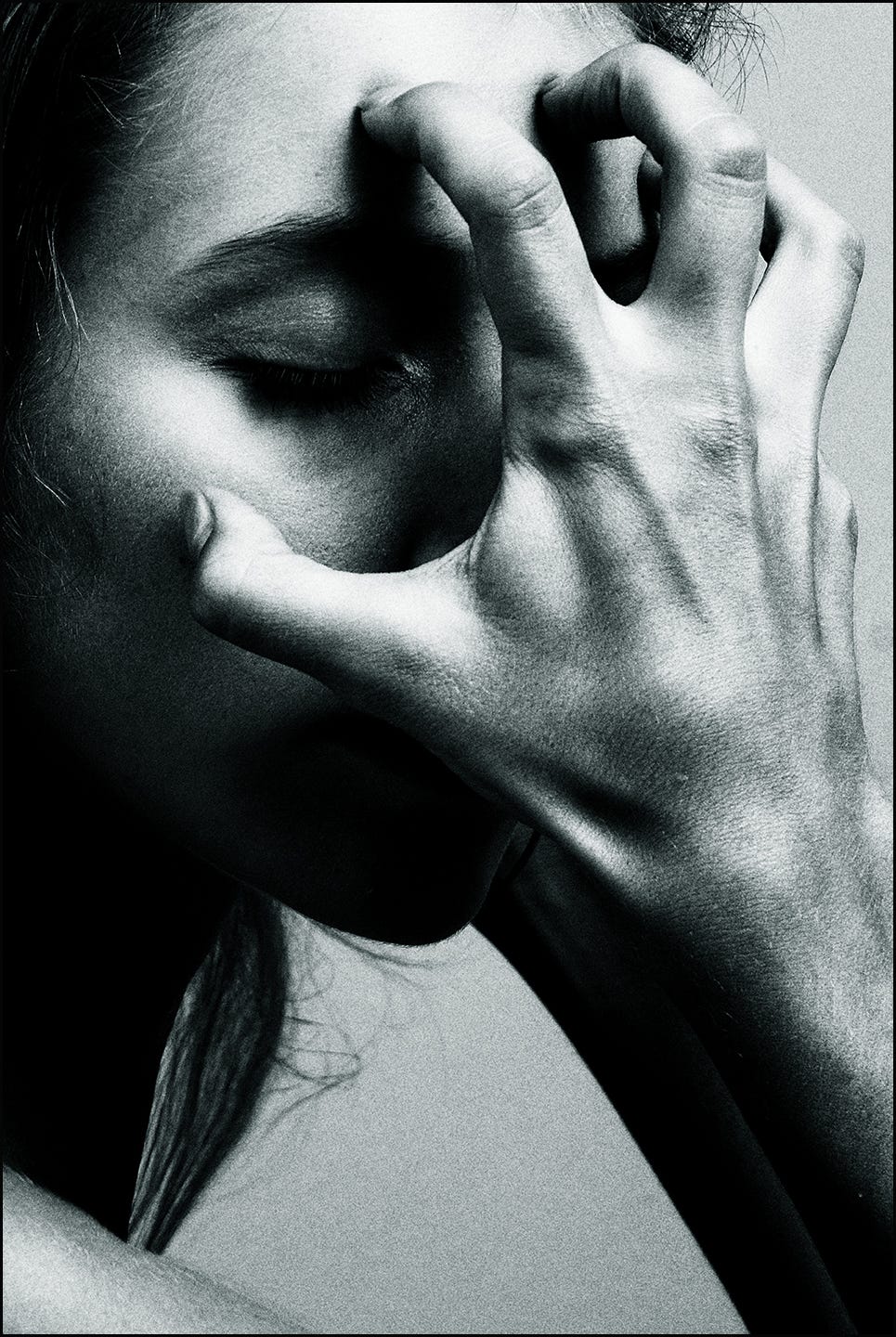
If you’ve ever had a relationship with a lunatic, or, to put it more scientifically, a bipolar, narcissistic, irrational, occasionally lovely but always unpredictable asshole, then you know what it’s like to be involved with the scourge/tool that is social media.
Reject it, embrace it. Need it, refuse it. Use it, abuse it. Whatever your particular stance on this ubiquitous thing that AI (yes, A-fucking-I) refers to as “websites and applications that enable users to create and share content, as well as participate in social networking,” it is, much like relentless relatives or benign stalkers, not going away. It behooves us, then, to come to terms with it.
Sometimes “coming to terms” translates to “shut that damn app off and put the phone down!” Apparently this is becoming the modus operandi (if put more politely) of many places of education. This week the New York Times, NPR, and other media ran stories about how more and more schools are implementing “restrictions on cellphone possession and use in class” for the expressed purpose of removing distractions, encouraging students’ self-regulating skills, curtailing bullying impulses, and, of course, limiting the seductive pull of near-constant posting, updating, and commenting on the various forms of social media available to kids.
A list which is prodigious and growing. Kids are on and using platforms that we elders haven’t even heard of, and their attachment to them is all-consuming. Walk down any street on any given day at any given time and you will note that 80%-90% of the people you see—of all ages, frankly—are looking at their phones as they walk (how we don’t have more pedestrian injuries is beyond me). Given this proclivity, how on earth would anyone expect unregulated students to self-regulate when even adults can’t seem to? So, yes, schools, restrict away. It is surely for the greater good of the children we hope will be running the world someday.
But here’s the thing: This piece is not going to be a screed against social media. In fact, considering its “scourge/tool” duality, I’m going to talk some about the “tool” aspect of the equation. And before you pull a muscle rolling your eyes, hear me out.
I have friends and relatives whose antipathy toward social media is leviathan (and I’ve always wanted a reason to use the word “leviathan”). They loathe it, hate it, resent any push, pull, or prescription that suggests they avail themselves of it. Some will lurk and look at other people’s pages, threads; platforms, but they don’t want any of their own. Some ignore it completely. Many find nothing good or valuable about the whole mess, yet are stuck between a rock and a hard place because they have some business, some art, some product they’d like to market, they don’t have unlimited resources, so the obvious choice to amplify what it is they’re selling, transacting, merchandising, promoting is … yes, social media.
That means Facebook, WhatsApp, Instagram, Tik Tok, Threads, SnapChat, You Tube, Pinterest, LinkedIn, Reddit, Twitch, Discord, some even say Tumblr is making a comeback. All the most most dreaded names for those who dread the medium the most.
And I get the dread. I do. I started on Facebook in 2009, Twitter, 2010; not sure when I jumped on the others (and it’s a limited list), but somewhere around then. That’s a long time. And during those ensuing years, I’ve experienced my share of social media rage and disgust, annoyance and disdain. I’ve shaken my head many times, astonished and perplexed, at the choices people make about what to post, stunned that anyone thinks anyone wants to see their red, swollen foot, the thirtieth photo of some mundane meal they ate, or the current state of their dog’s anal glands. I’ve recoiled from the bile and hate spewed on the more political posts, the insensitivities and aggressions thrown at people in disagreement (even over bacon, FFS!); the sheer indecency that breaks the surface more often than it should. I’ve been attacked, pilloried, and trolled, sometimes so badly that friends have reached out to see if I was okay (that’s what I get for being a loudmouth!). It can be a lot, however it comes at you, so I get why some people want nothing to do with it.
But still …
What I’ve learned in my almost-seventeen years of participation in the social media experiment is how to manipulate it to be a force for good. For commerce. For fun. For the deepening of friendships and family connections. “Liked” pictures or simple comment-conversations can engender true warmth and affinity. Social media can be an outlet for creative exchange and promotion, yours and others’. I’ve seen beautiful, thoughtful, even profound posts in response to someone else’s grief, illness, loss, or disappointment. I’ve reveled in the enthusiastic sharing of historical events, political wins, record-breaking marches, and global victories. I’ve enjoyed beautiful photographs (the ones not made by AI), amazing paintings, hilarious comedy reels, gorgeous musical performances, and sweet, funny animal videos (again… the ones not conjured by AI).
I found the amazing inn we stayed in Tuscany on Facebook (thank you, Mia!); connected to musicians I’ve worked with, and gotten hired to write articles via Twitter. I’ve used social media to promote my books, sharing book events, literary awards, and good reviews. I’ve alerted followers to this Substack, my photography site; where to find my music. I’ve shared the art of artists I admire and respect, amplified the hard work of those making meaningful contributions to society, and posted important articles written by smart people covering topics of significance. Sometimes, for the sake of my sanity, I’ve even shared some truth in response to political nonsense posted by a MAGA politicians (usually on Twitter … I refuse to touch Truth Social). Conversely, I love tweeting kudos or “thanks yous” to people like Obama, Pete Buttigieg, or Jasmine Crockett.
And yes, I am still on Twitter. Because that’s where those three, and so many other great people, are. Yes, I know… Musk. I ignore him (mostly; occasionally I enjoy responding to something he posts … you can imagine!). But so many great journalists, liberal politicians, writers, artists, social activists, etc., are there—and I want access to this crowd—so I’ve made the choice to remain. I recognize that corporate overlords like Musk, Bezos, and Zuckerberg are blights, but the platforms with which they’re connected, or have created, have merit. I would never have been able to publish and sell my first books without Amazon, or promote my work without the other two. There’s a whole article to be written around that discussion—who and what we boycott or not—but I’ll postpone further comment until I write that one. Back to social media:
What I don’t do with it?
• I won’t engage with trolls, ever. I block and delete. Quickly and without notice. There is nothing whatsoever to be gained from engaging with chaos agent whose first words to you are something like, “your (sic) a libtard c**t.” Buh bye. I know a few people who actually like getting into protracted back-n-forths with trolls, but my time is too precious, and, as I’ve noticed, that decision ultimately curates your various feeds to be more of what you want and less of the ugly.
• I don’t overexpose my personal life. I keep that to a minimum or to a private family group. Members of my family have made clear they don’t want their lives displayed on social media (and with AI now making handy work of children’s photos, that’s a wise decision), and, as time has gone on, I want less of mine there, too.
• I don’t over-post … I least I hope I don’t. I pay attention to how often I rattle on about my work to avoid moving into the eye-rolling “ugh, more about her damn book” category. It’s a tricky balance, as anyone promoting on social media can attest, but I stay vigilant to being judicious and finding that balance.
• I don’t post articles or news until I make sure they’re accurate and timely. Posting an article from three years ago that’s dated and no longer applicable is pointless, and given how often mendacity passes itself off as truth, we all need to be vigilant to not contributing to the disinformation river.
There are likely other “don’ts” people can (and should) add to this list, but those are the main ones for me: both what I do and what I don’t. And what I do do is the main point I want to make to those who swim in the sea of social media antipathy:
There are good reasons—and good ways—to use and enjoy the medium. Which is why I encourage artist/business folk with social media aversions get past their twitchiness to realize just how useful the medium can be. To them. To their goals. To the success of their business, their art, the things they create. At a time when publicists cost a fortune (was there ever a time they didn’t?), and making any kind of profit from creative work is a challenge; when indie artists and entrepreneurs are left to their own devices without behemoth companies getting their books to Oprah or Reese, their music to the top music supervisors, or their restaurant to the high-profile reviewers, social media becomes a boon. A tool. A force, yes, for good.
So while we limit social media contact in schools for excellent reasons, implement a “no phones at the dinner table” rule in our homes, and prioritize real-life interactions over virtual ones, let’s also acknowledge the value of social media as a tool we can use to and for our benefit with wise and considered boundaries. And once we’ve done all that, let’s all walk down the street with our phones tucked away, our eyes alert and aware, our energy open to make contact, say hello, or offer a smile to others as we pass by.
You know, all those human things that remind us we’re not our machines and technology, but the purveyors of heart and soul.


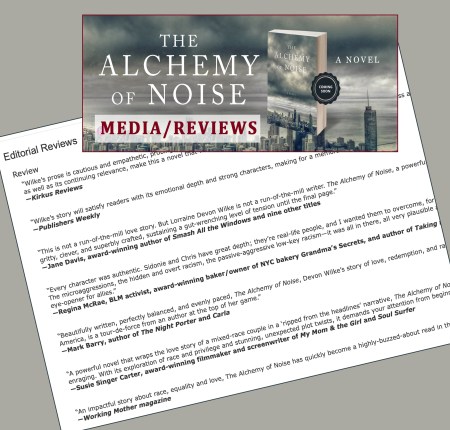
 right there on that same Goodreads page (look, I asked again!) And feel free to “follow” and “friend,” as we do on these sites.


 mouths of appreciative adults, solidifying the implication that this element of a girl’s identity is the most highly sought. Or at least the most noticed.









 | Rock+Paper+Music |
You must be logged in to post a comment.