An accomplished writer in several genres of the medium, Lorraine Devon Wilke has built an eclectic library of expertly crafted work: launching her “arts + politics” blog, Rock+Paper+Music in 2010, she became a popular contributor to HuffPost and other media sites, she currently maintains a column at Medium and a popular Substack (Musings of a Creative Loudmouth). Her award-winning novels include Chick Singer (Sibylline Press, 2025), The Alchemy of Noise (She Writes Press, 2019), Hysterical Love (2015), and After the Sucker Punch (2014). Her fifth, The Weight of Fables, will publish in 2027.
Landing in Los Angeles with an early band, Devon Wilke lives with her husband, attorney/writer, Pete Wilke, where she continues to sing rock & roll with her band, Sixth & Third, take photos, and ponder the state of the world.
Woman praying for… excellent book sales? Lotsa “likes”? Good reviews?
Self-promotion. Ugh.
To the creative soul awash in inspiration, artfulness, and flights of fancy, there is nothing more antithetical to the Muse than blowing one’s own damn horn. “Shameless self-promotion,” as a friend of mine puts it, which comes replete with discomfort and the awkwardness of braggadocio. But still… it seems we must.
Back in the day – or if you have the sort of career in which these characters appear – publicists, marketing and promotion specialists, managers, agents, handlers, etc., did the heavy lifting when it came to the strutting of stuff. The artist was protected from this crass commercial cacophony by virtue of having a team, a cadre, a crowd of enthusiasts who knew just what to say, when and to whom, to get that artist a front cover, a high-profile radio interview, the best book tour, all the right appearances at all the right places. Now? That cadre? That team? It’s you.
Well, it’s you if you are one of the growing number of independent artists who revel in the passion of creativity but wearied of shuffling behind velvet ropes held tight by the gatekeepers. Or, in simpler terms: damn, it’s hard these days to get an agent, publisher, manager, publicist, any of those folks!!
So what’s an artist to do; an artist who trusts their own voice and is willing to walk their own road even if those gate won’t open? Well, those artists are doing it for themselves. Just like the sisters.
Musicians made the leap first. When big labels tumbled into the swirling eddy of the digital revolution and no one understood how to proceed when all previously held paradigms blew into bits, musicians, bands, and singer/songwriters figured out how to transcend; how to get into those Pro-Tools studios and get the job done with a level of excellence that used to drain bank accounts but could now be covered by Mom, Dad and your freelance fees. And when they had their records recorded, mixed and mastered exactly as they wanted, without interference from bean-counters and suits with no idea of artistry, they got busy promoting the living hell out of those records, creating viable, accessible, impossible-to-pigeonhole careers as independent musicians. Which meant lots of teeth-gritting but ultimately necessary – and often quite effective – self-promotion. Entire careers have been built on that.
Now it’s the writers’ turn. The writing/publishing industry is/has been going through a similar upheaval and the pain is starting to show. While the Big Six publishing houses (some say it’s now the Big Five) have struggled against the turbulence of changing tastes, trends, and delivery systems for the written word, companies like Amazon have rewritten the book, so to speak, on how books are sold, writers are advanced, and readers are supplied. Money in traditional publishing has become unpredictable and unsustainable, which has led to gatekeepers selecting only a few who are predicted to fit the mold, meet the formulas, and overcome the changing tides. Which left out the other talented folk who, heretofore, would have been amongst the chosen. Have you seen the new Noah movie yet? Picture the bulk of writers as those left behind on terra firma as Russell Crowe battened down the hatches and floated off with his handpicked horde.
So those of us left outside have taken a cue from the indie musicians. Courtesy of Amazon and other sites, independent writers have been given the power to move forward despite closed door. The demand remains for excellent, extraordinary, really good work; for brilliant stories, goose-bumping prose, and unforgettable characters. But, lo and behold, it appears a great many writers who were not let in the gates can and do provide that standard of literature. How lovely that the industry has evolved to the point that these outliers now have a portal, a support system, a facility with which to publish their own work! It’s quite brilliant. But…
Back to self-promotion. Because even though Amazon and affiliates do quite a good job at the various and creative ways in which they promote their authors – clearly a win/win situation – there’s no getting around the fact that independent writers MUST blow their own horns. Which means a great many things, not least of which is asking readers who’ve read their books to leave their – hopefully – positive reviews on their Amazon page… or wherever else such things matter, like Goodreads or Shelfari or other book sites. Reviews are not requested for the sake of ego; they’re requested for the sake of algorithms that rank a book by many things, including the number of reviews those books elicit.
So when a writer asks you to leave a review, understand that they are being a good, independent artist, taking very seriously their commitment to do right by their work, their art; their business. And if you can, if you are so inclined, if you are interested in supporting that artist, and, in a bigger sense, the independent publishing industry, you will be happy to leave one.
I want to introduce you to a young writer whose perspective on his generation is well worth sharing, particularly with those convinced “nothing good happened after (fill in the blank)”… usually the years they grew up!
We are a world that loves to categorize its inhabitants… by ethnicity, nationality, politics, sexual orientation, age; even the years in which we were born. “Generations” are given actual names and defining characteristics and we rumble like Sharks and Jets over which one did what to the next and who gets to be called “the greatest” and it’s silliness, really. Whether aggrandizing or bashing a generic group based on their birth year (God knows I hate the never-ending anti-Boomer screeds!), the absurdity is in the fact that any group’s commonalities can be contradicted by its many exceptions. But still…
There’s no denying that all of us are – were – influenced by the life and times in which we grew up. We can’t help but be. The air we breath, the events we experience, the sense and sensibilities of the world we encounter affects us in those general, generational ways and, frankly, it behooves us all to pay attention to – and attempt to understand – the influences of those who came before and after.
Meet Jessiah Mellott. He’s 22-years-old, a smart, articulate English major with strong family ties who stands in sharp contrast to many of the curmudgeonly opinions of “kids today.” The Millennials – Jessiah’s generation – get everything from, “they’re all apathetic, lazy tech-addicts” to “they wouldn’t know good music if it hit them on their pot-addled heads,” but as with every cliché of every generation there are, oh, so many exceptions. Jessiah is certainly one of them.
Most of us tend to pay attention to our own peer groups, seldom extending that interest to what younger people have to say about life as they see it. Which is to our detriment. So when I read Jessiah’s very compelling essay about his Millennial era, one which he nicknames “the Silver Generation” for reasons he explains, I was so impressed by his sharp, analytical perspective I thought it would be educational – certainly illuminating – to share it with my readers, most of whom are a good deal older than Jessiah.
Because it’s one thing to allow media to define a generation; it’s another to get beyond stereotypes and preconceived ideas to avail oneself of the actual words and unfiltered views of someone from that generation. So take a few moments, if you would, to read the very thoughtful, humble, and insightful views of one young man who represents the best of what his generation has to offer:
My Generation: Postmodernism, Grey Morality and the Internet Age
–by Jessiah Mellott
Grey is the most self-conscious color. It doesn’t know if it wants to absorb all the colors of the world or reject them completely. Grey is the color of indecision. My generation is the grey generation. Actually, we’re the Silver Generation. Silver’s more reflective. My generation is full of reflective indecision. Or indecisive reflection… Or. Whatever. We still speak in absolutes and hyperbole, like totally, but we are the most self-conscious generation in the history of the world. Trust me; I’m 22, I know everything. Or nothing. What did Socrates say again?
The Internet age and social media has taught us that there is no right and wrong, no good and bad. YouTube videos filled with cuddly kittens get thousands of “dislikes” and people like Soulja Boy and Lil B actually have fans. It’s not that my generation is stupid. Well… maybe a little. But every generation has bitter pundits and bad musicians. The difference is that they’re all visible now. Everyone gets to experience and voice their opinion on everything. The Internet age has forced the perspective of the subjective on us. Even writing this, I’m getting an uncomfortable self-conscious itch. What if somebody who reads this actually likes Soulja Boy? Why do I think his music sucks? Who am I to judge? I guess I need to be more open-minded.
My generation depends on this insecurity because we grew up in a world where postmodernism was already established. In order to understand my generation, we need to talk about its dependence on the generations that came before it. Our grandparents were the Baby Boomers, the most entitled, consumer-crazy generation in history. They grew up in a world full of change, and their modern Renaissance attitudes made it happen. But the Boomer’s growth went unchecked; they were too sure of themselves. They brought the world magical ATM’s and cell phones, and an unhealthy dose of technological dependency and mass pollution. Generation X, as my parents have been called, developed a conscience. They started to realize that what is right for the individual might not be right for the world. Once they questioned this whole notion of the progress of civilization, then the postmodern discourse really came into effect.
There’s no alternative for the Silvers. We are the combination of egocentric and self-conscious that our families raised us to be. We question everything, because everything is subjective. An advertisement selling us “The Perfect Shave” or an “Insanely Healthy Energy Drink” makes us laugh. We scorn the kid who comes out of the movie theater saying simply, “It was good.” Nothing is ever black or white in our world anymore. I saw Inception in theatres and came out thinking that it might be my second favorite movie of all time, and I didn’t give myself ten seconds to enjoy it. All I could do was pick at its flaws. Was it really good enough to deserve that much excitement?
If we are the generation of the self-conscious, the insecure, the postmodern, and the grey, then I think we’re also the generation of the empathetic. This is a tough argument to make, unfortunately. A lot of the Boomers and Xers would say the opposite. All our slacktivism and smiley face emoticons are cute, but they don’t actually involve real face-to-face emotional connections. We get mad when people call us when they could have just texted and we break up over Facebook because we’re too awkward to do it in person. This is a valid argument and I’m not going to deny that a small chunk of my generation is somewhat hopeless. One reason I’m studying to be an English teacher is my frustration at how socially acceptable semi-literacy has become. Outside of a college campus, reading a book has become a strange activity. We’re wasting the information superhighway on memes and Angry Birds, and our attention spans can only tolerate two and a half seconds of video buffering.
On the other hand, being globally connected has its benefits. The Silver Generation can’t help but be citizens of the world. Our grandparents were nationalists, and now we’re globalists. We travel more, consume more world culture, learn more about different lifestyles. My uncle emailed me about an African rap group (Daara J) and I got to check them out instantly. We are more accepting of race, religion, and sexual preference. We were a huge factor in getting the first black president elected, twice. According to USA Today, young people are volunteering for organizations like Teach For America and The Peace Corps in record numbers (Walton). We look at stories from multiple sources with the click of a button. We are in the middle of the golden age of documentary and there is not a single important global discourse that we don’t have access to (O’Hagan). The best part, though, is that whatever we do well, we’re still young and dumb and the odds are we’ll only get better.
What do we do with all this supposed empathy though? What does a self-conscious young person like myself mean to the rest of the postmodern world? Who knows really, but I would like to think that me and the rest of the Silver Generation are going to make the world a better place. This is a problem, though, in itself. “Better” has become a complicated idea. We’re too self-conscious to decide what’s good for the world anymore. Does this mean we’re all wasting our time with the self-reflection and grey areas? I’d like to argue that, no; we’re not. Terry Eagleton said it best:
“We all agree that it is a bad idea to roast babies over fires, but we cannot agree on why we agree on this. And we probably never will. As long as we don’t roast babies over fires, however, this may not matter too much.”
What Eagleton is implying here is that we may never recover from the moral relativism that postmodernism has led us to, but as long as we have empathy, it’s going to be okay. In other words, we may never be able to call anything absolutely good or absolutely evil again, but as long as we can keep a virtuous discourse going, and learn to understand why we each see things the way we do, then we will thrive as a people.
This is a good sign for the Silver Generation. We don’t need morality as long as we have empathy, and empathy is what we’re good at. Why we’re good at this is an interesting question. I have already argued that we are citizens of the world, but I think it goes deeper than that. The reason I believe we are the empathetic generation is because we consume so much media. I can hear everyone over the age of 30 scoffing and huffing at me, but I believe the same thing our generation is most criticized for might be the source of our biggest asset. We are constantly hooked-up to a world of entertainment and information. These connections build a lot of things; some good, some bad, but I think empathy is the most important. It’s why we consume in the first place. Movies, music, television, podcasts, Twitter, magazines, YouTube, blogs, advertisements; Facebook (and, to a lesser extent, book books). Every free moment we have is filled with smartphones, tablets, televisions, and laptops. Sometimes we watch two or three screens at a time. We use our gadgets in the bathroom, on the phone, in the car. It’s incredible, and my parents, for one, think it’s terrifying.
There’s something creepy about it, sure; but the reason I think it works for my generation is because we were born into this world of crazy instant media and postmodernism has trained us to live in it. There are certainly still people out there trying to trick us, trying to sell us a product, manipulate our vote (cough, Fox); steal our money, waste our time, or get us addicted, but we’re too smart for that now (most of the time.) We’re too cautious, self-conscious, and critical to be duped by the media. We have too much information and too many sources to be lied to for very long. Best of all, we were raised just in time to be comfortable in the world of computers and smartphones, while also remembering a time before they existed. We understand the power we’ve been given.
It isn’t just the Silver Generation adapting to the world of media either. The media is adapting to us. Now, it would be naive of me to pretend that postmodern art is new and exclusive to my generation. Joseph Conrad wrote Heart of Darkness 50 years before postmodernism even became a serious discourse and Duchamp turned a urinal upside down 18 years after that. The world of art and literature has been postmodern for decades now. But my generation is attracting, even demanding, a wave of postmodern entertainment on a different level. It’s movies without villains, TV without truth, books without heroes. It’s entertainment without morals.
There are dozens of amazing examples of this new wave of postmodern Silver Generation entertainment and I’m addicted to most of them. The epic fantasy series by George R.R. Martin, A Song of Ice and Fire, which has been adapted into the equally brilliant HBO series Game of Thrones, features dozens of deeply developed characters with overlapping plot lines and no central protagonist. Even the most despicable characters have their moments of virtue, and even the most noble characters can be weak and defeated. In fact, the most beloved characters have a tendency to get their heads chopped off and the most hated have come out on top (so far). Even more extreme in its ambiguity is the Dexter series by Jeff Lindsay, which was also adapted into a fantastic television show. The series’ “protagonist” is a serial killer who only murders other murderers. While the anti-hero has a history in literature, Dexter toes the line of moral ambiguity more than anything I’ve ever experienced. The Swedish Millennium Trilogy, more commonly associated with its first book, The Girl with the Dragon Tattoo, is a brilliant mystery thriller centered on a “punk rock” girl who gets entangled in a murder plot. For the most part, readers are expected to sympathize with the lead character, but we also witness her tie up and revenge-rape a man, burn her father alive and treat the other “good” characters with childish contempt. Naturally, it’s been adapted into two movie trilogies already. AMC’s three most popular shows, Mad Men, Breaking Bad, and The Walking Dead have all become some of the most celebrated and morally unstable shows on television. I don’t think I even have to explain how shows built around a womanizing ad man, a chemistry teacher turned meth lord, and a zombie apocalypse might attract a lot of morally ambiguous characters and situations.
Stepping back a bit, Plato believed that fiction leads to falsehood and that poetry is dangerous because it is twice removed from the truth. Aristotle proposed that humans are actually capable of understanding universal truths and that entertainment can help us express them. This concept of universal truths, along with Horace’s belief that entertainment should teach and delight, combined to form the spirit of entertainment that is, for the most part, still prevalent today. While I’m simplifying the story, the resulting several thousand years of books, plays, and poetry have followed these very specific patterns. Art has attempted to teach universal truths and moral lessons; it has focused on heroes and villains, and it has attempted to generate catharsis. Moral lessons are, of course, thrown out the window with postmodernism, as are the good hero and the evil villain. This leaves catharsis — which is essentially empathy through art — as the primary vehicle for postmodern entertainment.
If I tried to explain this to a few people my age, most of them would just stare at me blankly. This is not because my generation is stupid (seriously, I swear). It’s because, again, there is no alternative for us. The empathetic consumption of art is self-evident to us. That is why the Silver Generation loves the new generation of media; we’ve always been empathetic participants in our entertainment and all this ambiguity makes empathy so muchfun.
The key is that the characters are flawed. And to be flawed is to be human. I don’t mean just a little flawed either. It’s amazing how many of even the most famous characters in literary history suffer from a sort of hollow depth. Historically, the “complex” hero has a couple of cosmetic personality defects that are only in place to be bravely conquered, while the “complex” villain is a simple obstacle for the hero to overcome, with one or two redeeming qualities that give their final downfall a little suspense. Previous generations are used to having someone to love and someone to hate, and are bitterly disappointed if things don’t end happily ever after. Truly human characters – that is, those with real flaws who are not always saved by the narrative or justified in the end – are much harder to come by in the canon than it would seem.
These morally ambiguous, realistic characters allow us to empathize better than hollow characters ever could. When they are making their decisions based on realistic emotions and human conflicts we can’t help but use their experience to reflect on ourselves and try to understand other points of view. Capturing these internal struggles of our individual conscience is impossible with a character who knows nothing but good, or who can’t fail. Sometimes failure is the best way to teach us the right way of doing something. Or at least, the right way for us. Compare one of the shows I mentioned earlier to any of the 637 Crime Scene Investigation (CSI) clones that are constantly being rerun. It always goes something like this: Cheeky cops build a list of suspects for a quirky murder. They strike the first one off the list (duh, we haven’t even gotten to the second commercial break yet!). Then they discover a crucial piece of evidence, analyze it with some nifty magic analysis machine, and take down the perp who vaguely tries to rationalize before getting put in the cop car. David Caruso puts on his shades, The Who start yelling, and the credits roll. There’s NO intrigue there. Who are we supposed to relate to? The bad guy gets what he deserves and the good guys are never in question. Sure, the characters show emotion, but it’s too simplistic. We don’t actually sympathize because you can’t create a realistic character with shorthand. The Silver Generation is far too self-conscious to enjoy something that cut-and-dry. By the way, the median age of a CSI: NY watcher in 2012? 63-years-old (Consoli).
It’s a shame that literature is the one branch of media the Silver Generation isn’t on top of. I’m biased as an English major, but it’s clearly the most important. If we are going to truly be the self-conscious generation I am predicting (praying) we have become, then we will have to find time away from our gadgets to read a good book. I think M.H. Abrams sums up the importance of literature nicely:
“It expands you in every way. It illuminates what you’re doing. It shows you possibilities you haven’t thought of. It enables you to live the lives of other people than yourself. It broadens you, it makes you more human.”
If we can do that, become more human, remain self-conscious, and promote a discourse of empathy and understanding, then we will find our own postmodern version of something approaching pure virtue. We’re going to need to, too. The Silver Generation is at the edge of a cliff in a lot of ways. I’m not just talking about the fiscal cliff either. We are at the precipice of a technological golden era, the breaking point of a global economy, the rise of global warming, the beginning of a water crisis, the carrying capacity of the world’s population; the end of the age of fossil fuels. Every generation seems to think they’re the most important, that they’re the ones approaching a turning point or doomsday. I don’t want to predict any kind of future; maybe we’ll be okay. But I do think we Silvers are in for some interesting and challenging surprises. We are going to need to be the most critical, empathetic, and forward-thinking generation ever.
As long as we stay away from Soulja Boy, I’m not too worried.
Cite:
Walton, Beth. “Volunteer Rates Hit Record Numbers.” USATODAY.com. N.p., 07 July 2006. Web. 13 Dec. 2012.
O’Hagan, Sean. “Camera, Laptop, Action: The New Golden Age of Documentary.” The Observer Guardian News and Media, 06 Nov. 2010.
Eagleton, Terry. “The Nature of Evil.” Tikkun Jan. 2011: 80-94. Web.
Consoli, John. “Median Age for Primetime Viewing Is Up?” Broadcasting & Cable. Web.
Abrams, M.H. “Built to Last.” New York Times 23 Aug. 2012: Web.
– Millennials in action
Jessiah Mellott is from Mendocino, California. He is about to receive his degree in English from Humboldt State University. Post graduation he plans on teaching in South Korea for a period of time, after which he’ll return home to earn his teaching certificate. His plan beyond that is to teach high school English, coach basketball, and follow in his dad’s footsteps by being the kind of teacher who inspires young people to work towards becoming better every day.
I love cameras. I’ve had one most of my life and have always appreciated its facility in chronicling my best adventures in pictures, some of which I’ve had since childhood. Now as a professional photographer viewing the art and craft of photography from an even more analytical perspective, I feel as attached to my beloved Canon as anyone could to any inanimate object. Its weight, its glass, its technical ease and brilliance that captures what my eye sees in ways that can take even my own breath away. I’ve traveled the world with it and regardless of time, place, or rugged terrain, it’s slung around my neck, at the ready to grab something unmissable. The wonders of photography are many and never-ending.
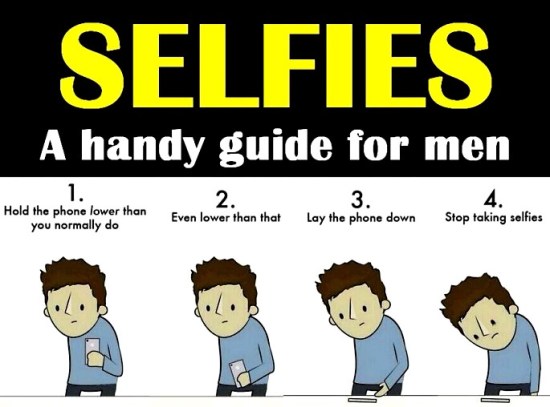
Then there’s phone cameras. Camera phones. Cell cameras. Whatever. Which have spawned the selfie. Those damned, ubiquitous selfies. The constant shooting and posting of phone photos taken from that oh-so-familiar “hand up in the air” POV that does odd things to most faces, is almost always horribly lit, and creates a visual world where everyone’s perspective ends at the length of their arm. Selfies have a certain detached, unconnected look about them (as opposed to photos in which a photographer and subject are communicating with each other), that often makes them soulless and self-conscious. Certainly they have their place (Ellen’s Oscar selfie that broke the Internet was all in good fun), but beyond the “fun” aspect, there’s something narcissistic about the incessant posting and reposting of these images, to the point that it seems no one exists and nothing can happen without someone slapping it up on Facebook. Or maybe that is the fear: did it happen, do I exist, am I pretty enough, am I even seen much less pretty enough if my selfie, my profile pics, my endless supply of face-shots, are not posted on social media? It’s exhausting being young sometimes…
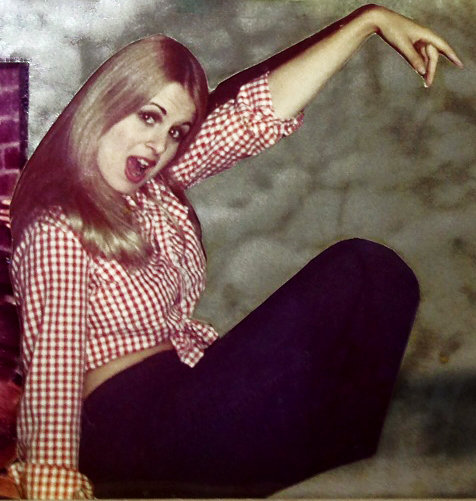
I remember having a similar youthful fixation on my looks, my hair, my clothes, my ass; always ready to catch a glimpse in a mirror or window, checking the status of various body parts and sartorial accoutrement as I walked into a room or down a street sure that everyone was profoundly interested in ME… what I looked like, how cute I was, if I was flirt-worthy. Of course, back when I was that kind of young we didn’t have phone cameras (thank God!) and the idea of taking pictures of oneself with a small 35mm was ridiculous. Unless you meant to be ridiculous or you were taking a self-portrait in lieu of new head shots you couldn’t afford (of course that never worked). Youth, presumably because of its evolutionary urge to procreate, is fixated on appearing and being seen as attractive, so the fundamental need to exert oneself in putting forth that image, and making sure everyone else notices, is understandable. If we’d had Facebook and Instagram back when I was a kid I might have found reason to post myself all over the place, too. Or maybe not… there’s still something about the narcissism angle that gets me (though you wouldn’t guess that from the pic below of me at 20!).
But beyond selfies and youth is the more general etiquette of taking and posting pictures of anyone online. This has become an issue fraught with some misguided principles, enough so that I’d like to suggest a few pertinent guidelines that apply to every age group, in every circumstance. Pay heed and you’ll find fewer people scrambling when you walk into a room with your phone!
Top 5 Rules of Phone Camera/Social Media Posting Etiquette:
1. BE AWARE THAT NOT EVERYONE WANTS THEIR PICTURE TAKEN.
Particularly on a bad day, in bad lighting, after weight’s been gained, or just because, well, they don’t want their picture taken. Don’t assume it’s your God-given right to take another person’s picture just because you want to. Don’t do the “oh, come on, you look great!!” routine when Aunt Helen really isn’t feeling up to it. Any good photographer knows the best posed pictures happen when people have acquiesced rather than been browbeaten… and, once they’ve acquiesced, are given the time to fix their hair, freshen their lipstick, suck in their gut, or get out of the shadowed light. If they still don’t want their picture taken after all that, DON’T TAKE IT. Period.
2. REALIZE NOT EVERYONE WANTS THEIR PICTURE POSTED ON SOCIAL MEDIA.
Even if someone agrees to pose for a picture – alone, with a group, with you – that doesn’t automatically mean they want said picture plastered all over social media. It’s become so routine to post every single picture taken that the people doing the snapping and posting don’t always consider the privacy preferences of their subjects. ASK. If you want to post a group shot, check with everyone before you part ways to make sure they’re okay with that. A quick, “If I get some good shots here I’ll probably post a few on Facebook… everyone OK with that?” works. Typically people are, but show them the courtesy of asking. Particularly people who aren’t young, aren’t necessarily enamored with their looks, and aren’t accustomed to posting selfies all over the place!
3. DON’T POST PICTURES THAT MAKE PEOPLE LOOK BAD.
This should be a given but I’m always surprised at the carelessness of what some people post online. As a photographer (and a subject!), I know the self-consciousness that many feel about having their picture taken and I also know how affirming it can be when a good shot is achieved. In fact, a good photo can boost someone’s self-esteem as much as a bad one can drop it. Be aware that most phone cameras – even the good ones – don’t do well in low light indoors; if you are not a photographer and don’t know how to use Photoshop or other post-production software to enhance or improve a shot, don’t use it. But if you do decide to post your phone pics of other people “as-is,” you are obligated by etiquette to take the time to choose the very best one. Post whatever you want of yourself, but when you’re putting up photos of others, don’t put up that one that was shot in deeply shadowed light, glaring sun, or too dark a room. Don’t put up the one where the subject looks bad because they blinked, their hair was weird, or the angle was unattractive. Don’t choose to post a group shot where you look great but everyone else looks horrible. Have some consideration, some empathy, and realize NO ONE WANTS A CRAPPY PICTURE OF THEMSELVES ON THE INTERNET!!
4. NOT EVERY EVENT NEEDS TO BE MEMORIALIZED BY YOUR PHONE CAMERA.
It used to be you could meet a few friends for lunch, grab a movie with former colleagues, go over to your Mom’s for dinner and no one felt compelled to whip out a camera to “grab the moment.” Somehow we all managed to hold onto memories of lesser moments in life (versus bigger ones like weddings, birthdays, christenings, etc.) without having to collect a bunch of (usually crappy) photos that someone is sure to post online. One could say it’s curmudgeonly to complain about anyone wanting to capture camaraderie and companionship with a camera, but goddammit, sometimes you just want to eat your Niçoise without someone snapping away while you’re chewing tuna. Personally, I could do with fewer of those, thank you.
5. CONSIDER POSTING MORE OF YOUR ACCOMPLISHMENTS AND FEWER OF YOUR SELFIES.
It’s no small wonder we live in a culture obsessed with youth, beauty, cosmetic surgery, thinness, sexual voracity, and so on. It’s we the people who are driving that train! We can complain all we want about what “the media” and the “entertainment business” have done to perpetuate certain unrealistic standards, but if you really analyze the chicken/egg aspect, it’s hard to find the line when even every-day folk are obsessed with their beauty, youthfulness, thinness, etc. How many times do we see mostly women, but some men, too, cycle and recycle their profile pics, while friends do their part by exclaiming with each picture change, “You’re SO gorgeous!”… “What a hottie!”… “You’ve never been more beautiful!”… “Hubba hubba!” (all comments I’ve seen online!)? It’s great to occasionally get a compliment on your looks – who doesn’t appreciate that? – and sometimes you have, in fact, just innocently changed your picture, it posts on the Newsfeed, and friends comment without any intent on your part to elicit that response. But in far too many cases it is about the attention, the requisite comments that feed the need. And we get it; you’re hot, you’re beautiful, you’re sexy. But tell me, was there anything you created or accomplished today that might trump that shot of you in a bikini? Yes, you look great, but I’d be more interested in hearing about the grant you wrote, that song you finished, the Little League team you’re coaching…
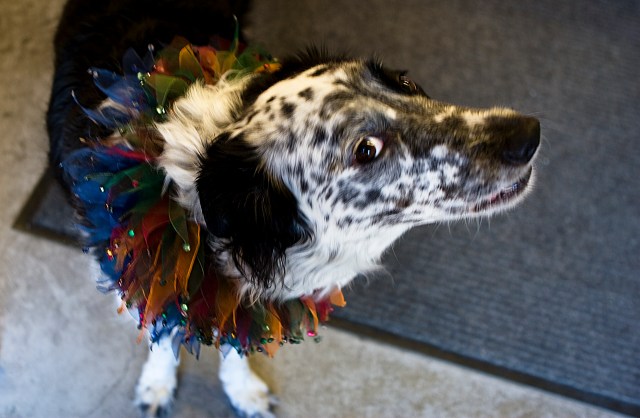
Now, don’t get me wrong; there are categories of posted photos I always love. People’s travel pics, fine art photography, baby pictures, family shots, even that dog with the frilly collar. Gorgeous road trips, the weekend at the recording studio, that last location of your indie shoot are all seriously post-worthy. Your Hawaiian hike, that tour of historical architecture in Venice, the shots of your urban neighborhood will likely enchant me. I’m less interested in your lunch or whatever you mixed up at the wet bar, but if there is something creative in either of these, post away.
The point is: Think about it. Don’t just shoot and post. The fact that everyone now has a camera in their hands demands that we be more thoughtful and considerate about how we approach the matter of taking and posting pictures. Get creative, look beyond the reach of your arm, and have both empathy and consideration. I promise I will never post a crappy picture of you and I’m expecting you to extend the same courtesy to me… because, believe me; that promise gets more important as we get older and facial symmetry gets less and less dependable! 🙂
When I get up in the morning and sit down to my computer, I typically scroll through selected news sites to see what’s happening in the world before I start my work. Per my own advice, offered in Want to Feel Better, Really Better? Step Away From the News, I’m picky about my media sources and make sure to avoid most comment threads for the sake of my sanity. But still…
It’s impossible to completely block out the tone and tenor of our cultural view of each other – of “regular” people, of celebrities, of politicians, of… anyone. And the prevailing sentiment I see all around me – in the news, in comments and tweets, in Facebook threads, in blogs and shared stories, even simple conversation – is judgment. The unrelenting flow of criticism. Of condescension. Of arrogance. Of snide, sneering, dismissive, just sort of snitty characterizations of anyone and anything beyond ourselves, our particular groups; our own little worlds. It bothers me, kind of like the trash barge bothered Andie MacDowell’s character in Sex, Lies and Videotape, and like her, I don’t see any way to solve the problem of that floating debris. Except one.
Empathy.
I know… such a airy fairy, la la, positive-thinking concept. Would it help if I said what the world needs now is some fucking empathy?
However you say the word, it is, as mentioned in my piece on bullies, the antidote. To everything. To resentment, hate, crime, bigotry, trolling, abuse, violence, intolerance, passive-aggressiveness…. all of it. Think about that: one THING that could solve all the problems of the universe. And yet we humans, instead, spend our time circling our fierce fleets of wagons around the identities with which we align ourselves: political parties, religions, nationalities, ethnicities, countries, states, neighborhoods, clubs; even the way we eat (have you ever seen a vegan and bacon-lover go at it on Facebook??).
It’s absurd, really, the degree to which we create separation and the “us vs. them” mentality, but that impulse to divide and distance is at the heart of every single problem in the entire world and has been since the dawn of time. It’s only the most enlightened, the wisest, the most loving and spiritual, who’ve realized that we’re all of the same cloth; that we’re all here on this earth to do basically the same things: live, evolve, connect, contribute, and hopefully learn something of value before we pass off this mortal coil. And yet, despite that shared mission, we humans seem compelled to see our differences more than our most basic similarities. That impulse has gotten us into a lot of trouble over time, and it remains the single-most driving force behind the snarling, angry culture of today.
Now, let’s be clear: the reason I say “culture of today” (as opposed to any other time) is only because it’s the moment we’re in… and the one in which the ubiquity and reach of technology has made the minutia of every day life known to everyone worldwide, making us all aware of the dark turns of culture on a global scale. Certainly issues of empathy-lack were just as rampant when Vikings were slaying their conquests, the Brits were invading Africa, and Manifest Destiny was wiping out the Natives; we just weren’t hearing about it in minute-by-minute tweets (let’s face it: the “express” behind “pony” may have been a misnomer!). Nowadays, the sheer bombardment of seething examples drives the point home.
Empathy: The power to understand and enter into another person’s feelings. The willingness to walk in another’s shoes. The ability to imagine or experience the feelings, thoughts and attitudes of another. The sense of compassion derived from the Golden Rule of “do unto others as you’d have them do unto you.”
What would our world be if we actually had true empathy for each other?
Big themes include:
Race-hate and bigotry would be impossible, as we’d all understand that the color of skin, the ethnicity of one’s birth, have nothing whatsoever to do with the intrinsic value of a person.
Religious intolerance would be eradicated because we’d all be aware that while each of us has the right and freedom to believe as we choose, those personal beliefs cannot and must not be judged, imposed, or legislated upon anyone else.
Sexism and misogyny would be extinct, as men would recognize that gender has no bearing upon the worth, intellect, value or viability of another person.
Sexual violence and abuse would end because no one would find it acceptable to rape or assault another in service to compulsions for control or power.
Loneliness
Ageism and elder abuse would disappear, as we’d all realize that each and every one of us – if we’re lucky enough to live that long – will one day be the aged, and our ability to grasp and understand the continued desire of that community to contribute, participate and experience life would be inevitable.
Political vitriol and partisan bullying would be abolished, as each person involved would grasp why another feels as they do and, even if in disagreement, would allow true respect and decorum to govern how governing is implemented.
Gun control would be a desired conversation and goal for both the gun lover and the gun control advocate, because all parties would see the wisdom in making gun use saner and safer for everyone.
Mental health issues would get necessary attention and funding because people would be less inclined to dismiss and disparage, understanding it as an affliction that can affect anyone in any age, economic, ethnic and religious background.
Homophobia and intolerance would be banished because we’d all accept that humans come in many different varieties and each is deserving of the same rights, freedoms and respect.
But even in the smaller, more secondary arenas, true empathy would make a significant shift in cultural discourse:
Media users would acknowledge and show respect to those who’ve taken the time and done the work to learn something, compelling them to – rather than snark and troll as a matter of habit – share, discuss and maybe learn something themselves.
When it comes to the many stories of average people, fellow humans would, perhaps, express real interest and support, even commenting in respectful, intelligent, contributory ways (don’t laugh…. it can be done; see Same-sex couple never expected this response to their wedding photos).
With the endless click-bait about celebrities in our midst, the more empathetic would recognize that those who’ve gained fame via talent or circumstance are actual human beings with flaws, feelings, families, and a right to privacy, and wouldn’t assume that ugly, incessant media scrutiny is “part of the package.”
Fellow citizens would grasp that not every needy person is or considers themselves “entitled,” not every subsidized American is an “aggrieved victim,” and showing compassion both uplifts our country and improves our economy rather than burdens it.
Members of the electorate would – even if they disagree with the President – see value in doing so respectfully, understanding that the sheer weight and enormity of the job is something NO ONE outside of the office can truly comprehend.
Neighbors, friends, co-workers and family members would solve problems without vitriol and anger because they’d have the ability to see the issues from the other’s point of view.
Marriages would survive to a greater degree because the parties involved would have the wherewithal to see beyond their own needs and wants to grasp those of their partner.
And so on.
Empathy may sound like one of those idealized concepts that reads well in print but is, in fact, too high-toned and elusive to be effective against tangible, earthbound problems in our society, but it’s not. It starts with one person. It’s what we teach our kids, it’s how to turn a bully, it’s what should guide each and every one of us in every single decision we make. Simply ask yourself this question before you write a comment, take an action, speak a piece, place a vote or… do anything:
How would I feel if this was done to me? This intolerance, this judgment, this criticism, this bigotry and lack of compassion. This mischaracterization, this act of violence, this condescension, insult, denigration, separation, or annihilation. The big things; the little things, the things in between. How would I feel if any of those were done to me?
Once you know how you would feel… you know. You know exactly what to do, how to act toward another. Do that.
Thankfully all is well with me, my family; my closest circle of friends, and the Seahawks did win the Superbowl, but the larger collective, the community, the great mass of humanity with which we engage, took a few hits this weekend, from the sickening death of Philip Seymour Hoffman, to the aching letter of Dylan Farrow, to the snarling response of bigots to a multicultural Coca Cola ad, right down to the thousands of Tweets, Facebook posts, comments, and debates that have roiled around each one of these events.
There is clearly no one more exhausted, more truly affected, than the people intimately involved: Hoffman’s family, the Farrows and Allens; the millions of ethnic Americans sick to death of xenophobes defining our country as a place where only English-speaking white people exist. Each are, respectively, suffering horrible sorrows, deep anxieties, and tremendous rage.
Me? I’m only involved as a questioning observer, a member of the community, a woman, wife, mother, friend, and thinking/feeling human who has been stunned, saddened, angered, and left drained by the responses of so many to this list of tribulations.
It’s not just a matter of having opinions; I have opinions… plenty of them. As a writer, I often put those opinions into words that fly across the internet and garner either agreement or spittle-flying hate and denouncement. Opinions are like… well, you know how that goes.
The problem is not the opinions (well, some of them maybe); it’s the way people choose to express them, the seething, judgmental, arrogant, aggressive way in which sides are taken and lines are drawn. I have read utterances that have made me shake my head and wonder how we got so goddamned superior and all-knowing, when we became so convinced that our experiences dictate the reality of everyone else’s, and why we think it appropriate to decide that compassion and empathy are “enabling” when dealing with either addicts or damaged daughters… probably even Coke drinking immigrants.
A great actor who seems to have been loved by everyone who knew him died of a heroin overdose and someone suggested I might be too “kind” in my assessment that compassion was in order. “Ass kicking” was considered a better prescription for an addicted person. Others felt it necessary to point out, with great vitriol, that Hoffman was an “absolute douche… a piece of shit who would rather get high than fulfill his responsibilities”… as if orphaning his children had any part in the decision to stick a needle in his arm. The degree of judgment and disdain exhibited by far too many in response to Hoffman’s death has itself been sickening. As if humanity couldn’t find a way to deal with grief without drowning it in denigration and revulsion. Couldn’t witness the weakness of an addict without seeing it as permission to be imperious and condescending. We all have our stories, our experiences with alcoholism and drug addiction and so, yes, certainly, we are allowed to be superior, right?
Then there’s Dylan Farrow and the matter of child molestation and our view of the women – and men – involved. Holy hell. As I write this, article after article is being posted, tit for tat, for or against, pro and con, everyone deciding who should be believed and who shouldn’t. It’s almost as if the bookmakers have jumped in: Whose side are you on? Who’s winning in the court of public opinion? Should we boycott Woody Allen films or decide Dylan is a patsy whose strings are being pulled by her fire-breathing mother? Is there any way to believe a woman who came forward 20 years later to finally tell her side of the story or is she to be categorized, as some have, as a calculating, relentless pawn? Should Allen’s celebrity be a shield against the accusations or has the addled Mia Farrow sacrificed her daughter for the sake of revenge?
I don’t know, you don’t know, but do you realize we have made a parlor game out of the life and death of people we don’t even know? Yes, these are worthy topics to discuss and there are many who’ve done so with grace, empathy, and an awareness that there are truths we may never know. But far too many have done so with smug, moral certainty that they are right, angrily, judgmentally right, and these strangers they’re discussing are worthy of their disgust and moral superiority.
Are they? I have my opinions; you, no doubt, have yours. But at the end of the day, to put it bluntly, who the fuck are any of us?
As a friend of mine put it, “Being judgmental and selfish is human, being an asshole about it is a choice.” Okay, but how about this? How about choosing to be human enough to NOT be judgmental and selfish? Human enough to express opinions with civility and whatever logic you can summon up. Human enough to realize every single person you are judging is human, too. And hope that if you ever need the humanity of compassion, empathy, and non-judgment, those around you will have the humanity to extend it.
As for Coca Cola… I don’t drink the stuff but damn if I didn’t appreciate their view of the humanity that is the “real America.”
In case you hadn’t noticed, gratitude is pretty hip these days. All zeitgeisty and viral, posted daily on social media, in Twitter acknowledgements of thanks and grace; there are even Facebook groups devoted to the idea of expressing gratitude. It’s a beautiful thing. And because it’s the internet, all of this higher consciousness thinking and warm, human emotion is moshed in with screeching headlines, comment fisticuffs, and the never-ending dirge of articles written, posted, and shared about the very worst of our life and times. Crazy making. Hard to find balance in all that, but balance we must.
I read an interesting piece the other day that espoused the idea of “not buying into” the messages created for us by the ubiquitous media: messages of lack, fear, doom, opposition, worry, illness, etc. We know those things exist, but that they exist does not demand our emotional attachment to them, emotional attachment defined as the acceptance of those messages as indisputable fact, the immersing of ourselves in them as inevitable, or the habit of getting ourselves so surrounded and embroiled in them that it all becomes a soul killer. An anxiety builder. A depression stirrer. A joy denier.
A beleaguered woman told me recently that she felt too guilty feeling joy “when there’s so much hate, suffering and anger in the world.” Hmm. Not much good in that equation, but I understand.
Particularly when we often feel helpless about what to do to change the course of those negative elements of our society. Some of us feel that shining a light on them, bringing them to light as writers, commenters, opinion leaders and sharers is helpful; it illuminates the darkness. And sometimes, and in some cases, it does. But then what? We read about it all, watch it on TV, listen to it on the radio, but the fact is, most of us can’t leave our lives to go join an international charity group, don’t have the money to donate to important causes we believe could turn the tide; don’t even have time beyond our life, work and families to volunteer at shelters, organize political rallies, or hold crack babies at county hospitals. So what do we empathetic, compassionate, caring sorts do and, come on, how are we supposed to feel gratitude in the midst of… all that??
What if we stopped engaging in the cultural battle? Stopped buying into the conversation?
I touched on that in my recent Huffington Post piece, Want to Feel Better, Really Better? Step Away From the News, the idea that our compulsive need to “stay on top of things” is literally manifesting in a form of “consumer anxiety”: the malaise where one feels they can never be current enough, on top of it enough, because it’s all changing so fast and being reported so relentlessly that we have to watch, read, listen, write, argue, debate, suffer, be depressed, defriend, and ultimately deflate in a pool of “life sucks.”
But it’s smoke and mirrors. A hologram. Life isn’t moving as fast as it seems; it’s an illusion created by the 24/7 media. As an old mentor of mine used to say, “you can stand on your street corner for hours and, on most nights, you’ll never see a damn thing happen.” But the media, by virtue of compiling the millions of things that have happened, around the world and back again, have made us all feel that there’s a running montage of dramatic, life-shifting, often terrifying events happening right outside our doors every minute of every day, Jesus Christ, I can’t even breathe in here, what the HELL, get me OUT!!!
Breathe. It isn’t all happening here, there, and everywhere. Not by a long shot.
It’s one thing to be empathetic and aware, it’s another to focus yourself on the darkest aspects of life. One is consciousness, the other is cultural masochism, which is not healthy or helpful. So instead of immersing yourself in the hologram that is “all-drama-all-the-time-yikes-the-sky-is-falling,” step out of that loop and immerse yourself in the good of your own life and the world around you; deeply, truly, and with arms open. You’re allowed to do that, to feel joy and gratitude for your own abundance and good fortune, however and wherever you find it (and sometimes it’s in the very smallest of things!). You’re allowed – and, in fact, advised – to become just an observer of the cultural noise, unattached and unencumbered. Notice, but don’t dive in; do what you’re moved to do, then detach. Have empathy but focus on positivity.
Sometimes it’s as simple as, when your office mate tells you that “something’s going around… everyone’s getting sick,” you say, “I’m not.” When someone shouts that all of this group is “spineless” and all of that group are “assholes,” make note (out loud or otherwise) that generalities are the tool of the narrow-minded. When a seemingly charitable, caring person drones on about the woes of the world, the country; your neighborhood, gently put their attention on the good that exists in all those same places. When another diatribes about “kids today” point out the brilliant young people you know and are aware of. When anyone tells you humanity is doomed, the world’s on the brink, and we’re all idiots too stupid to figure it out, walk away while noticing the countless, incredible things around you that emanate love, beauty, and hope.
Because, honestly, if it’s true our lives reflect where and on what we put our attention, why the hell would we put our attention on the very worst of it? Why would we spend so much time on the lack, the ugly; the sorrowful? Why not put our attention on what we see that’s good, rather than what drives us fucking nuts?
We’re made to believe there’s something infinitely noble in being informed and trudging through the daily muck, but unless you’re one of those moved to honest activism by your rage, let’s be clear on the allowable limitations of “being informed”: watch/read/listen enough to be aware, but put your attention on that which you love, that which empowers and uplifts, that which offers hope, inspiration, humor, and healing. Put your attention on GRATITUDE and decide it’s not a cliché, not a nifty November meme that feels good until it gets trumped by the latest tragedy, crime, or political blunder. Those will keep coming, it’s inevitable, but you’re allowed to simultaneously feel joy and gratitude. And you might be surprised to discover just how much living and reflecting those higher elements of human thought and emotion impact the energy of the world around you. You might find it’s not only “all you can do,” it’s more than you might even imagine.
As the Affordable Care Act continues to roll out with its underwear exposed and seam lines in clear view, its hapless designers pilloried, ridiculed, insulted and compared – in gross false equivalency – to any number of true tragedies (Hurricane Katrina??) or lapses in moral character (Nixon??), one has to wonder how folks as old as any of us viewing, teeth-gnashing, or commenting on this moment in time are not more aware that our perceptions are flawed. Deeply flawed. Because we’re still in it. And time has proven, over and over again, that only History gets to decide.
I’ve mentioned once or twice that I am not covering politics with quite the verve or frequency of yore (you may have read my piece, A Pause From Politics…), but occasionally the high-water mark of inanity rises to such a level my alarm bell goes off and I have to speak for the sake of my own sanity.
You can’t open any media site, scroll the Facebook feed, trip through Twitter or glance at a newspaper or magazine without being bombarded with polls, analyses, dissection, judgment, hysteria; any manner of outrage at – as one right-leaning journalist put it – “the catastrophic launch of the Affordable Care Act.”
“Catastrophic”?? Seriously? What blew up? Who died? Who had their limbs cut off?
You’d think the man had lined up a raft of toddlers and shot ’em at the wall.
The degree of anger and denunciation at “the debacle that is the Obamacare roll out” is so insanely out of proportion with reality – not only the history of how other major programs rolled out, but the facts of the ACA’s intent, long-term implications, desperately needed existence, and ultimate and likely very positive impact on Americans’ health and economy – that I truly wonder what it is about change and the implementation of it that seems to drive people to such hyperbole and madness. I get it: the website sucked, confusion reigns, the insurance companies pulled a bait & switch, better plans cost more, but COME ON!
I’ve seen perfectly nice, seemingly logical, and clearly intelligent men and women turn into self-righteous, bizarrely petulant foot-stompers “demanding” that Obama apologize (that he did is irrelevant; apparently this catastrophe demands a very specific form of apology); fire Katherine Sebelius, and draw and quarter the tech team who put the site together. There is a hissing meme going around that “HE LIED!”, layered on top of the demand that he accept blame for everything, but not admit “I don’t know” about anything because God-like omniscience is also demanded (but imagine the hell to pay if he actually implied thus!). It seems this crowd won’t stop demanding things until he’s flogged in the public square and, if possible, guts himself completely for the satisfaction of those OUTRAGED BY THIS CATASTROPHE!!!
Dear God. Grab some stones and get the Coliseum tickets!
I’m not going to bother listing reasons for why this is all so silly. I won’t enumerate the many examples of the GOP rabidly fighting the President every step of the way on healthcare reform, with racial politics driving much of the opposition. I won’t mention toxic fringe groups (i.e., the Tea Party) embracing theocracy and bigotry in lieu of logic. There’s no need to describe the current culture of trolls with their virulent hate speak poisoning and perverting the social experiment of democratized online communication, or discussing how extreme partisanship has tainted anything any administration would have to offer, much less one led by a black man. It’s all been well documented.
What I will say is that while it’s expected for Republicans and their toadies to glow with Schadenfreude over the clunky, clumsy roll-out of the Affordable Care Act, it’s another to watch typically less lemming-like others march in step. But as those various factions pontificate on social media, breathlessly announce falling poll numbers, hash and rehash the same stories over and over, trumpet their prognostications and predictions of doom in the very unAmerican act of negative, destructive and counterpoint thinking, History is quietly taking note.
And History – only History – will be the arbiter of just how great or not great this president is; just how momentous or minor the Affordable Care Act will prove, and just how right or wrong the many hoots and hollers of a caterwauling public turn out to be. History listens to no one, has no party; is not bound by dogma. And it has proven over and over again that what is viewed in the moment, particularly if that moment exists in the dark tunnel of partisanship, fear, selfishness, greed, prejudice, and mob hysteria, always pushes through time into the unencumbered, often redemptive, embrace of History. There is where we will see just how “catastrophic” a country’s, a President’s, an administration’s efforts to right a very wrong system turn out to be.
The anxiety’s picking up, debates are front and center, and posts on the topic have gone viral. It’s clear we’ve got a big problem and it ain’t about politicians, global warming, or radioactive sushi. What is it, you ask?
Christmas Creep.
Yep. It’s big, it’s bad, and, frankly, it’s too late, cuz, odds are, it’s already taken over your town.
I know you’ve heard the protests; they’re loud, clear, and to the point. Pleas to hold off on the Christmas bombardment before we’ve barely retired ghosts and goblins. Entreaties to wait on carolers and candy canes until we’ve had a chance to fully experience pumpkin pie and a well-roasted gobbler. There’s even a petition going around denouncing stores that will be open all day Thanksgiving, thereby robbing employees of a chance to be with family in the retail rush to kick Black Friday off on Thursday.
Protest away, folks. There’s no stopping this snowball.
It may be inexorable, but it wasn’t always like this. No, there used to be a delicious timing to it all, a careful unfolding that drove us mad with anticipation but was all part of the fun. When I was a kid, the turning of leaves and quickening of the cold were signals that we’d left the lazy, hazy, crazy days of summer to move into the next and most exciting time of the year: the much-vaunted, adrenaline-inducing, just-can’t-wait holiday season.
As it started and the various days of celebration rolled out like a cavalcade of stars, we’d ready with our well-marked boxes of decorations and the traditions for each that we knew and loved. It started with costumes and the dizzying sweetness of Halloween, rounded the corner into warm Thanksgiving gatherings, then, depending on religion and ethnicity, there was Hanukah, Christmas, and Kwanzaa to fill the month of December, with Christmas, clearly, the seasonal headliner. The slow, well-paced build-up allowed us to relish one flavor, so to speak, before moving on to the next.
These days?
It’s like sitting down to a six-course meal and having every single course dumped on the table at the same time. No consideration for the pleasures of each item and, sorry, palate cleansers not allowed. I saw Christmas decorations in a hardware store in September and by early October a few retail shops actually had decorated trees hip-checking the Halloween displays off center stage. Come ON, people!
I get being prepared, but isn’t there a limit? I actually have a neighbor who not only begins her Christmas shopping in June, but takes great pride in announcing to anyone who’ll listen that, “I got it all done, wrapped, and ready to go before Labor Day!” Holiday spirit as competitive sport. Thanks, but I’ll take my summers with lemonade and sunburn; you go ahead and get Santa involved.
While certainly this rush to rush things has been building over the years, somewhere along the line, like an unseen hitch in the rate of the earth’s rotation, it picked up speed, so much so that the notion of holiday differentiation is almost moot at this point. Look, I’m old enough to remember the creaky maxim about “no white after Labor Day” so this conflation of celebration does not go unnoticed. And when I see the Three Kings of Orient are at Costco before the kids have even stopped arguing about who’s going to be Buzz Lightyear, I feel a shudder in the time/space continuum.
What’s odd about this acceleration is that most people claim they don’t like it. SOASTA, Inc., a leader in cloud and mobile testing, found last year that 75% of those polled didn’t want to see Christmas decorations up before Thanksgiving, with 78% objecting to even hearing the music before then. This year?
In a survey of 2,038 Americans age 18 and older, in which data was weighted to be representative of the entire country, conducted online by Harris Interactive on behalf of SOASTA, discovered that 81 percent of American adults think stores should not play Christmas music before Thanksgiving—up from 78 percent of American adults when SOASTA conducted the survey last year.
In addition, 77 percent of American adults think stores shouldn’t put up Christmas decorations before Thanksgiving—up from 76 percent last year.
A similar poll at NPR – albeit a non-scientific one – found numbers skewed even higher when the question was asked about “Christmas creep” before Halloween: a full 82.11% of respondents said they didn’t want to see anything “Christmasy” that early in the season. There’s actually a Facebook page called “No Christmas Before Thanksgiving” where users bemoan everything from Santa’s early arrival to the latest transgression – Black Friday actually starting on Thanksgiving Thursday – and still, still, the beat goes on.
What gives? If so many people resent the rush, why is it picking up speed?
We all know, don’t we? It’s retail that’s the “industry behind the curtain,” twirling dials and ratcheting up promotions to get people the in the doors as early as possible. With holiday shoppers creating almost 20% of a store’s annual income, it’s not a hard formula to fathom: more days to spend money, more money spent. And this particular year, given when Thanksgiving falls, there are actually fewer shopping days than last year between the two holidays, and, dear God, that’s causing panic in the streets!!
OK, maybe not panic, but clearly retailers have made note of the deficit and are raising the stakes in response. I swear to God, if they could have gotten away with it, 4th of July banners would have been wrapped around Rudolf the Red-Nosed Reindeer.
Of course, not everyone hates this holiday hash. According to some, they want to get the heavy lifting done as quickly as possible so they can spend the true 12 days of Christmas wrapped in quirky sweaters humming “Little Drummer Boy” as they assemble the gingerbread house. Others just can’t get enough of Christmas cheer, whenever it comes. Me?
It’s not so much the rushing; it’s more the conflating. I don’t want my Halloween goblins pre-empted by Christmas trees. I want to enjoy the orange and browns of Thanksgiving before I see green and red everywhere. And once we get past turkey and stuffing, I want to, very slowly and selectively, relish each separate, specific element and tradition of our Christmas.
Since there’s little we, the people, can do about what retailers put into motion, it’s up to each of us to design our own holidays, cultural pressure be damned. If you’re okay with the rush, enjoy it. But if you’re like me and want to slow things down enough to actually experience one holiday before we steamroll onto the next, you’ll just have to set your boundaries. Which means putting on blinders and exercising serious self-control (a good Christmas cookie is hard to resist no matter what time of year!).
Around here, no decorations are pulled out until the previous holiday has been joyfully exhausted and packed away. We avoid Christmas candy until the pumpkin pie is gone. And don’t talk to me about Black Friday because we’ll still be reveling in the true meaning of Thanksgiving. (I’m not kidding… get away from me with that credit card and those wild-eyed sales schedules.)
It can be done. You can ignore what’s being foisted and partake only when and where you see fit. There is no mandate to march to the madness. They can dangle the decorations and crank out the carols but the power is in your hands.
I hope you had a delightful Halloween, I wish you a beautiful, warm, and appreciative Thanksgiving, but I’m not talkin’ any more about Christmas until next month.
Twenty-three years ago today I got into a car with a very handsome man dressed in blue pants and a white shirt, drove a couple of hours to a courthouse in the very bucolic town of Mt. Vernon, Washington and, during the lunch break of a local judge, and in the presence of the bailiff and court secretary, married the man to whom I am still married today. The bailiff fired off a few snapshots from my then-cheesy 35mm camera (pictures I, years later, Photoshopped to the excellent results below!), we had lunch at a nearby cafe where a bottle of champagne and a slice of pecan pie with a bride & groom atop awaited us, then we drove north to Vancouver to spend three days at the Pan Pacific Hotel as our rainy, wondrous honeymoon. It was perfect… and when people ask if I ever regret not having a wedding, I assure them I still think it was perfect, to this very day.
There is much to be said for weddings done right (I covered a few of those HERE), and certainly the topic of marriage is a deep and many-layered one (in The Warmest Chord my own heartfelt perspective is offered), but on this anniversary, from where I sit many years beyond that glorious Pacific Northwestern day, currently miles away from my stoic, stalwart husband who continues to deal with the ramifications of brain injury, the message of marriage I have to share is a different one than I had 23 years ago.
It’s a stronger one, one built more on wisdom, resilience, commitment and compassion than wild romance and youthful lust. Though, don’t get me wrong; I’m all for romance and lust, revel in it whenever it presents itself (which, as most of us would attest, is never enough!), but life teaches that any long-term relationship survives within an unpredictable mix of emotion and events… and the way we respond to both. And the longer I live the more I realize, while I may not be able to predict events that come flying my way (damn that unpredictable universe), I can do something about how I interpret, respond to, and learn from those unfolding moments.
Love is a funny thing, too. It keeps you attached and aware of that other person; sensitive to their needs and emotions, impacted by the events of their life that can overlap your own. Sometimes those intersections are lovely, sometimes they’re… challenged. As any couple knows who’s dealt with illness, adversity, injury, or any of those kinds of unexpected events that knock us off our feet – a job lost, a disease diagnosed, a family member’s death; a brain injury – marriage can become about endurance and tenacity, a balance between attachment and detachment, even an ability to let go when needed to allow life to reorganize into some different while you’re away.
As the wife of a husband dealing with brain injury, I’ve learned about that part of being married. I’ve learned (as I wrote years ago in Love In the Age of MTBI) how circumstances can change and impact a marriage, make it more complicated and mercurial, shake it up in ways that can both take your breath away (and not always in a good way) and make you realize how strong your relationship really is, strong enough to endure the dark corners stumbled upon repeatedly and sometimes without warning. When pain episodes strike, when the walls go up and the lights go down and you realize plans will change, warmth will take a holiday, communication will be backburnered in lieu of necessary isolation and silence, it’s then that you face the reality of what you and your chosen one created back on that magical day, years earlier, in a courthouse in Mt. Vernon…
The tether. The bond. The connection. You can pull apart because you have to, because you both need time to regroup and recalibrate, but you never stop feeling the connection. The love. The sense that you are family and you will get through this to a happier time, a better time.
And while away, if you’re smart, you’ll take the opportunity to pursue your own “vision quest.” You’ll pay attention, listen, learn, and remember that thoughts impact reality; you’ll readjust your own view of life to get stronger, more compassionate and loving… to him and to yourself.
And if, during that time, an anniversary pops up, you’ll pay attention to that, too. You’ll look at that person – from wherever you are – with all the love you feel, all the belief you have in what’s good and right, and you’ll … celebrate another anniversary. Another year of marriage. Another worse endured for all that is better.
Because what you find when you step away, when you take that breath, and look at the reality outside of pain and the adversities life throws at you, is that what’s better is so, so much more than what’s worse. Worse, you can overcome; better, is the life you’ve created and will continue to create. That’s the lesson, the true gift of a long-term marriage.
It used to be a big deal. My pals and I would plan the day like a prom… to the point that some of us did come with tiaras and fake fur stoles (um… that would be either me or Tina). We’d gather around my obscenely large formica (odd, I know) coffee table overcome with food of every kind, plates balanced on our knees, and with loud “shushes” to announce commencement of the festivities, we’d hunker down to watch the Oscars… the Emmys… the Grammys… the whatevers. It was a ritual in which we felt – as artistic sorts ourselves – involved. Our passions and proclivities gave us something to vote on, prognosticate, argue over, even feel deflated by. But it was always something to look forward to, a grand reason to eat too much and spend some lovely, enthusiastic, often well-dressed time together.
For a while.
Then it got ponderous. When the Oscars became more about panic-fueled marketing campaigns, respected actresses making that creepy butt-turn to show the backs of their designer gowns, and idiotic hosts doing bad comedy and even worse song & dance numbers. When Grammys and VMAs became about thunderous, Vegas-like spectacles of twerking, pole dancing, smoke and mirrors. When Emmys became some version of both but with the added dimension of too many shows, too many actors, too many everything to fully and fairly award everyone deserving.
But let’s face it; award shows have always been a silly idea, even if a brilliant marketing ploy to draw attention to good work. But what started with that noble goal has, like so many other things in this hyperbolic world of ours, devolved to the very edge of cultural hysteria. As the various award extravaganzas bobble on the horizon, the drumbeat of media madness begins, building in pace and volume until that’s all we hear and THEN… it’s over. As the guests straggle out of the theater to run desperately for sustenance at one party or another, column after column bleats about their favorites while excoriating whoever won who were not their favorites. Media sites and their battalions of writers employ lines like “he/she/they were robbed!” at the expense of the deserving he/she/they who won. Studios, networks, publicity companies and PR hacks who worked overtime bombarding every blogger, magazine, newspaper, breathing human with publicity campaigns, screeners, bios and airbrushed publicity photos step back for just a short breather post-event… then start up again for the next onslaught, whatever that may be.
It starts to feel like … well, like every other “contest” we hold in this country – whether beauty pageant or national election: a cluster-f**k. An oversaturated mess of hysteria and hyperbole, mixed with pointless attention on ancillary matters that have nothing to do with the work/point/candidate at hand; all narrated, moment by bloody moment, by our countless, endless, ubiquitous and apparently never-ending sources of media – social and otherwise. So much so that we lose sight of what it is the contest is actually about.
In the case of awards shows, it’s “the work.” The great, good, often meaningful work done by talented artists who’ve typically worked long and hard to get to that vaunted place of well-deserved acknowledgement and recognition. But when I read a post-Emmy article in which the writer screams that Jeff Daniels won over Bryan Cranston or Jon Hamm only because HBO has more voters because, clearly, Daniels isn’t deserving (this from Think Progress, which typically covers liberal politics!), or another writer caterwauls, “Scandal! Why Kerry Washington was robbed at the Emmys,” bemoaning the fact that the great Claire Danes won for her incredible work on Homeland over Kerry’s incredible work on Scandal, I have to wonder why on earth we bother with this ridiculous charade. Why we can’t have our favorites, have our opinions, even agree that both Claire Danes and Kerry Washington are classy, talented actresses, without resorting to tantrums that denigrate the work of either… or anyone else? My comment to the Scandal writer (I couldn’t even bother with the Think Progress tantrum) made the point:
“Why do we do this? Why do we look at a collection of supremely talented people in a category, chosen amongst hundreds of other supremely talented people, pit them against each other, then raise a ruckus over whichever one won over whichever other?? It’s just plain silly.
“Every talented artist knows they are lucky to get a great role, lucky to get that role on a good show; lucky that the network promotes that show, and therefore, lucky to be one of the few picked for nominations. To say they’re all deserving is a cliche but a true one. To diminish Claire Danes’ win because one thinks Washington was better is absurd. They’re both great actresses doing stellar work. No one robbed anyone. This is simply the math of awards… someone wins. That’s it. It’s not about any of the group being better than any other in the group… but someONE wins.”
Which is why I won’t watch awards shows anymore. I don’t care who wins. Anyone who’s good enough to be nominated in any category is profoundly worthy and should not be pitted against their peers in the gladiator-like, soul-crushing, knock-em-down-on-the-way-to-the-sales-table type competition that is the great American awards show.
Though I might peek in on the Oscars… I just won’t bother with the tiara.





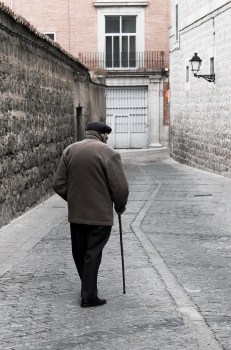



 We all know, don’t we? It’s retail that’s the “industry behind the curtain,” twirling dials and ratcheting up promotions to get people the in the doors as early as possible. With holiday shoppers creating almost 20% of a store’s annual income, it’s not a hard formula to fathom: more days to spend money, more money spent. And this particular year, given when Thanksgiving falls, there are actually fewer shopping days than last year between the two holidays, and, dear God, that’s causing panic in the streets!!


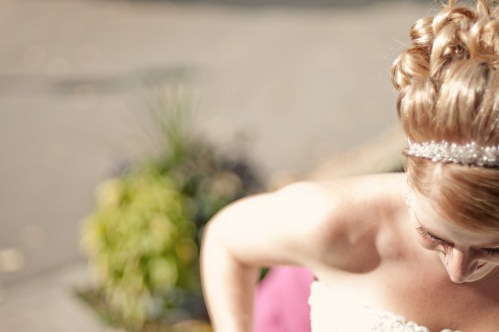
 And if, during that time, an anniversary pops up, you’ll pay attention to that, too. You’ll look at that person – from wherever you are – with all the love you feel, all the belief you have in what’s good and right, and you’ll … celebrate another anniversary. Another year of marriage. Another worse endured for all that is better.

 | Rock+Paper+Music |
You must be logged in to post a comment.